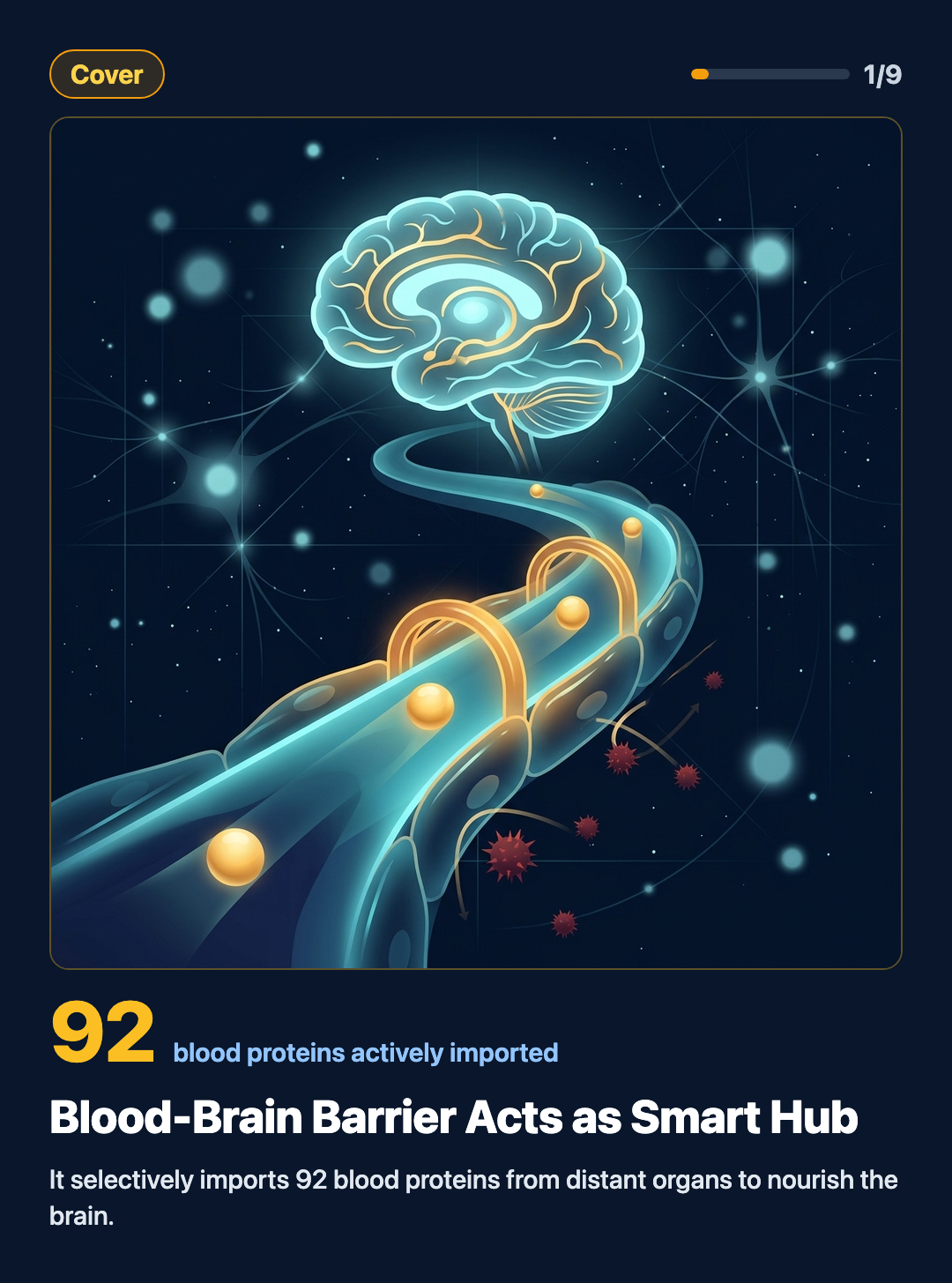
The Blood-Brain Barrier Acts as a Smart Delivery Hub for the Brain
47m
0 0Picture the brain as a high-security research vault and the bloodstream as a busy highway running right outside. For more than a century, scientists treated the border between them as a locked brick wall built strictly to keep intruders out. Yet a peer-reviewed study published in Cell on November 11, 2026 by researchers at the Gladstone Institutes and the University of California, San Francisco, led by Andrew Yang with first author Haoyue Zhou, shows that this border actually works like a smart, selective delivery hub. Using mouse experiments, the team found that the vessel lining actively inspects hundreds of circulating proteins and imports 92 specific ones into brain tissue. Even more striking, in mouse models of Alzheimer's disease, this vital supply line shut down early—long before the physical barrier began to crumble and leak. WHAT WAS THE OLD PICTURE Since the late nineteenth century, textbooks have framed the cells lining brain blood vessels as an airtight fortress. Its job seemed simple: seal off delicate neural tissue from bacteria, aggressive immune cells, and harmful toxins drifting through the bloodstream. Note – Blood-brain barrier: a tightly sealed layer of cells lining brain blood vessels that acts like a security border keeping toxins and microbes out of brain tissue. That tight seal keeps the brain safe, yet it left two nagging puzzles. First, doctors have struggled for decades to get medicines past this wall to treat brain disorders. Second, if the gates are always bolted shut, how does the brain receive large molecular signals and nutrients crafted by distant organs like the liver? WHAT JUST CHANGED The Gladstone team's new map overturns the old one-way wall model. Rather than blocking every large protein at the door, a healthy barrier behaves like an intelligent customs checkpoint that screens passing blood cargo and imports select parcels the brain needs. Out of 861 circulating plasma proteins tracked in mice, the barrier sampled 191 at the vessel surface and permitted 92 to enter the brain parenchyma. Most of these admitted couriers were not made inside the head at all; they came from peripheral organs, especially the liver. Note – Plasma proteins: dissolved protein molecules floating in the liquid part of blood that carry nutrients, clear debris, and pass signals between organs. Crucially, entry did not depend simply on small size or fat solubility as older models assumed. Instead, admitted proteins tended to share helical shapes that fit specific docking locks on vessel walls. HOW DID SCIENTISTS PROVE IT To watch blood traffic without poking holes in living vessels, the researchers used bioorthogonal protein labeling in mice. Think of it as sticking tiny, invisible barcodes onto blood proteins so scientists can trace where each parcel lands without altering how it behaves. Note – Bioorthogonal labeling: a chemical tagging trick that attaches tiny markers to living molecules without changing their natural shape or interfering with their normal jobs. Once inside the brain, imported proteins did not drift around randomly. They traveled straight to specific cell types like packages carrying molecular ZIP codes. A liver-made protein called APOA1 crossed the vessel wall through a docking receptor named SR-B1 and handed off directly to a transporter called ABCA1—a well-known Alzheimer's risk gene—sitting on astrocytes. That hand-off drives cholesterol clearance that helps keep connections between neurons intact. Note – APOA1: a lipid-carrying protein made mostly in the liver and gut that helps move cholesterol and support healthy brain cell connections. Note – Astrocytes: star-shaped support cells in the brain that nourish neurons, regulate local chemistry, and maintain healthy signaling links. Another liver protein, SERPINA1, took a different route straight to brain immune cells. When the team compared healthy mice, mice given acute inflammation that makes vessels leak indiscriminately, and young Alzheimer's-model mice engineered to develop amyloid plaques, a clear split emerged. Before the physical barrier broke down and leaked, the Alzheimer's mice showed selective supply-line remodeling: protective APOA1 imports dropped while SERPINA1 uptake rose. The researchers then used liver-targeted gene therapy to boost APOA1 production in those Alzheimer's-model mice. Brain APOA1 levels rebounded, and the animals showed rescue of astrocyte health, synapse stability, and behavioral performance. Note – Synapses: microscopic junctions where two neurons pass electrical or chemical signals, forming the physical basis of memory and learning. WHAT DOES THIS MEAN FOR HUMANITY These findings recast brain health as an ongoing conversation between the brain and distant body organs. Neurodegenerative conditions like Alzheimer's may not begin solely inside the skull; part of the trouble may start when the body's molecular supply line to the brain falters. In the long run, this atlas points to two promising avenues for neurology and drug development. Scientists could explore ways to protect aging brains from the outside in by restoring depleted blood-borne factors. Drugmakers might also hijack these natural receptor hand-offs—using the brain's own ZIP codes as Trojan horses to carry therapies safely across the barrier. Still, these remain basic research findings in mice, not a proven treatment or medical advice for patients. Mouse and human blood-brain barriers differ in receptor abundance, blood protein makeup, and vessel properties, and genetic plaque models capture only part of human Alzheimer's disease. Researchers also do not yet know whether impaired protein import triggers early decline or reflects an early response to hidden pathology. Next, teams will need to verify whether human brains rely on the same 92-protein supply network and test how it behaves across other neurological diseases—work that will take years before any clinical therapy can be tested in people. SOURCES Cell – The blood-brain barrier imports diverse neuroprotective proteins through pathways impaired early in Alzheimer's disease models – https://doi.org/10.1016/j.cell.2026.10.039 Neuroscience News – Blood-Brain Barrier Protein Atlas Unlocks Alzheimer's – https://neurosciencenews.com/blood-brain-barrier-protein-alzheimers-32409/ ScienceAlert – New Study Rewrites The Rules of The Blood-Brain Barrier – https://www.sciencealert.com/study-rewrites-the-rules-of-the-blood-brain-barrier-including-proteins-that-may-be-involved-in-alzheimers
0 comments
Ads
Related Posts
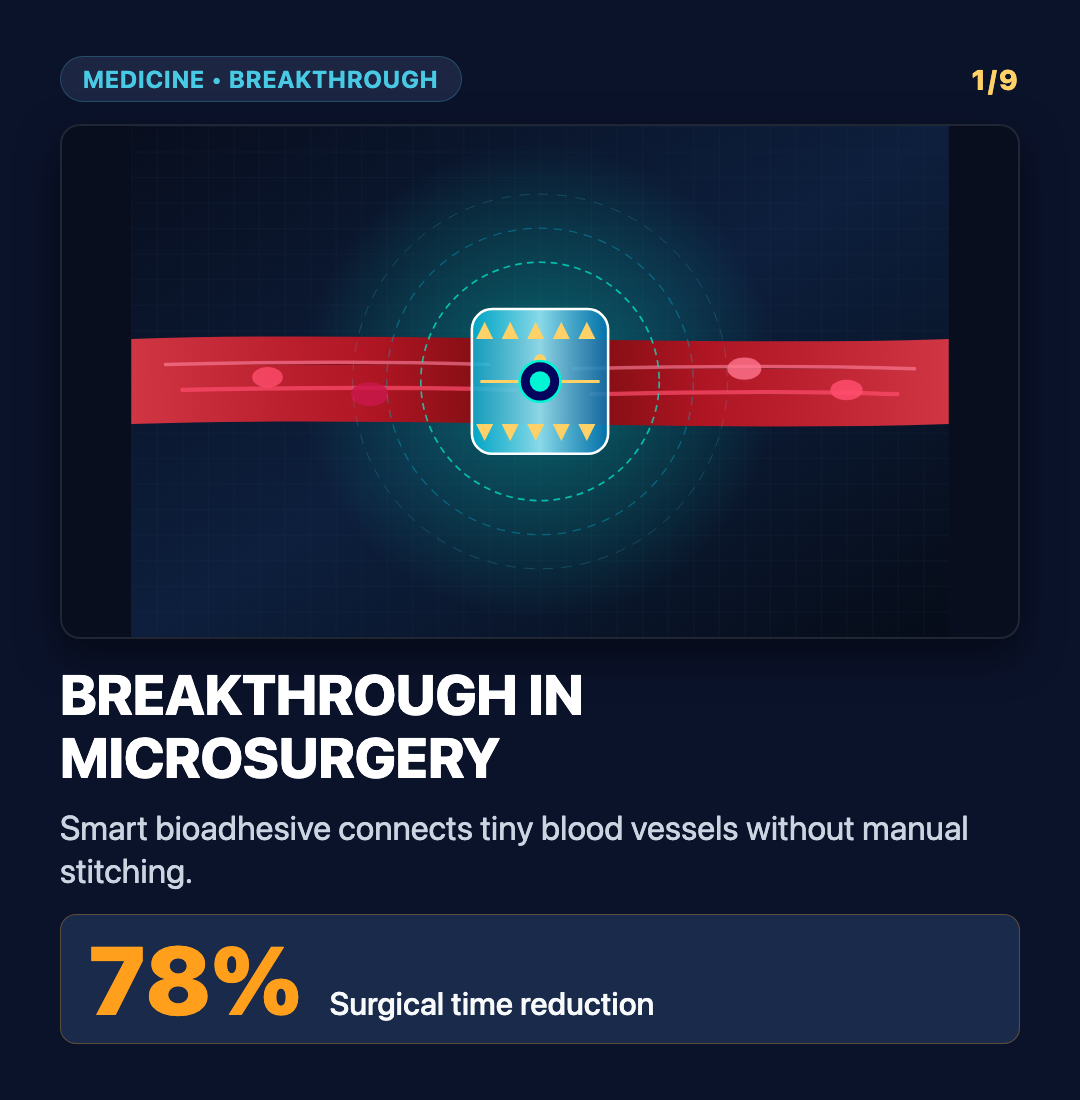
Smart bioadhesive connects tiny blood vessels without surgical stitches
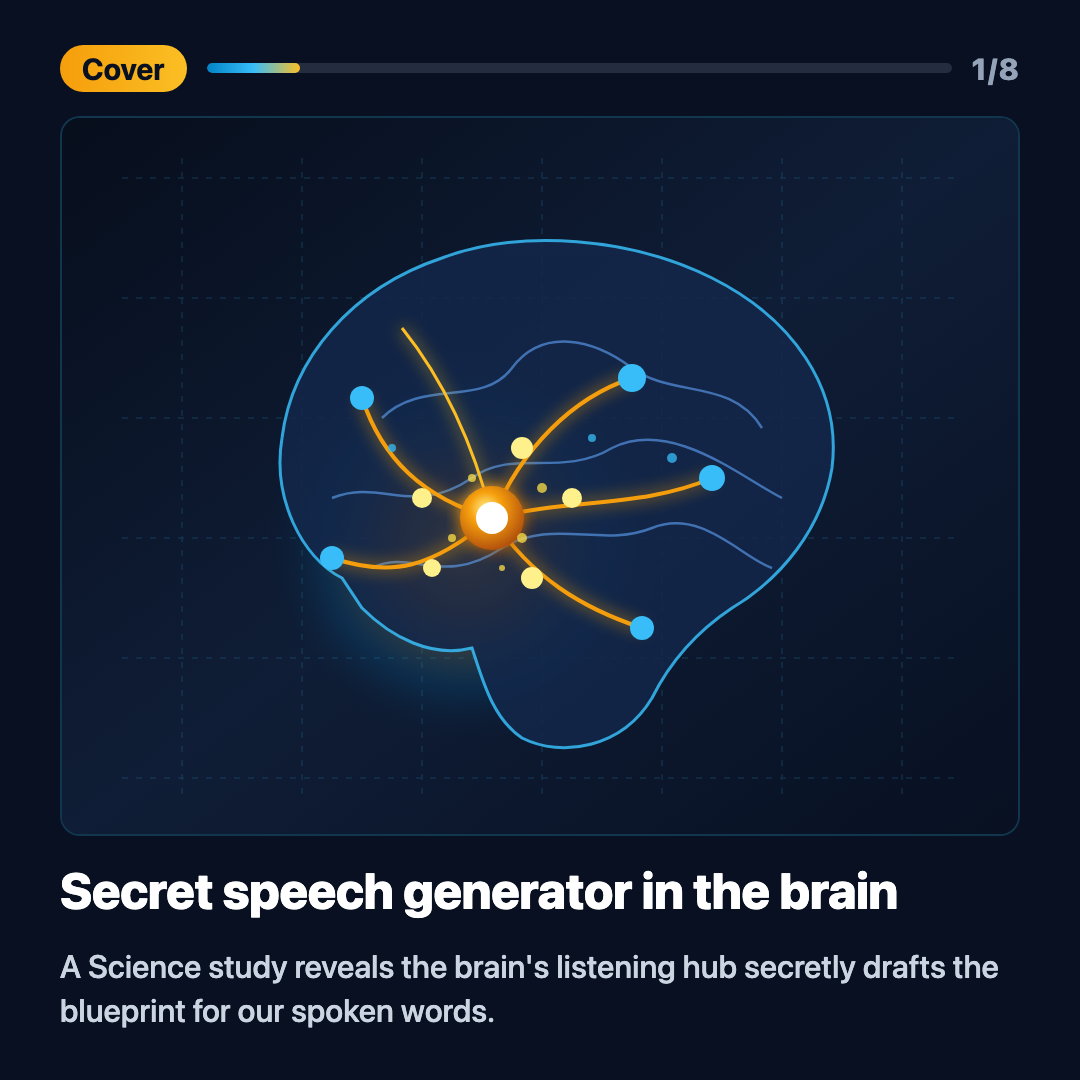
Brain region long thought to only listen secretly drafts our words
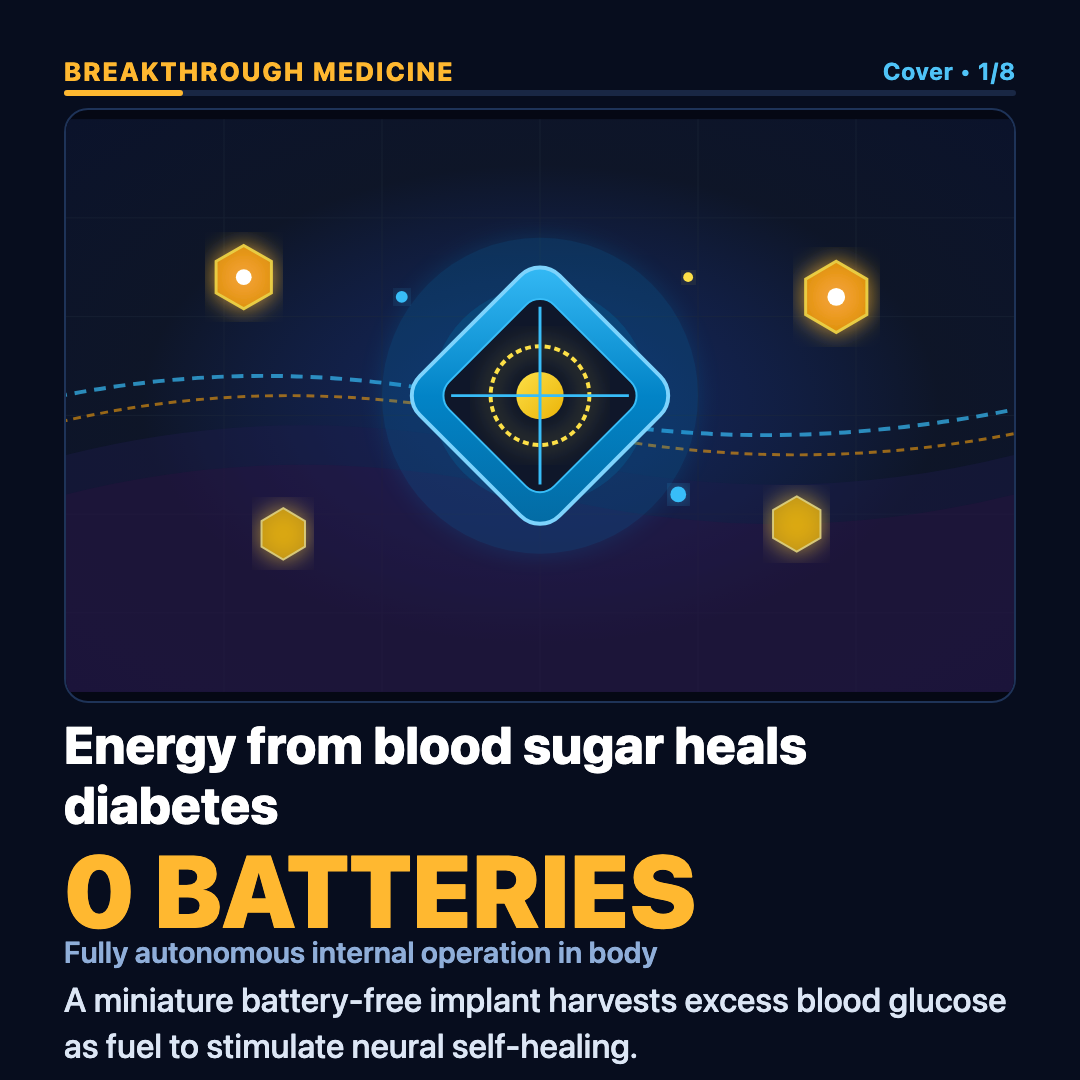
Battery-free implant turns blood sugar into energy to treat diabetes

Smart hydrogel grows tougher and stronger the more it is bent
Blood test unmasks silent ovarian cancer killer at its earliest origin
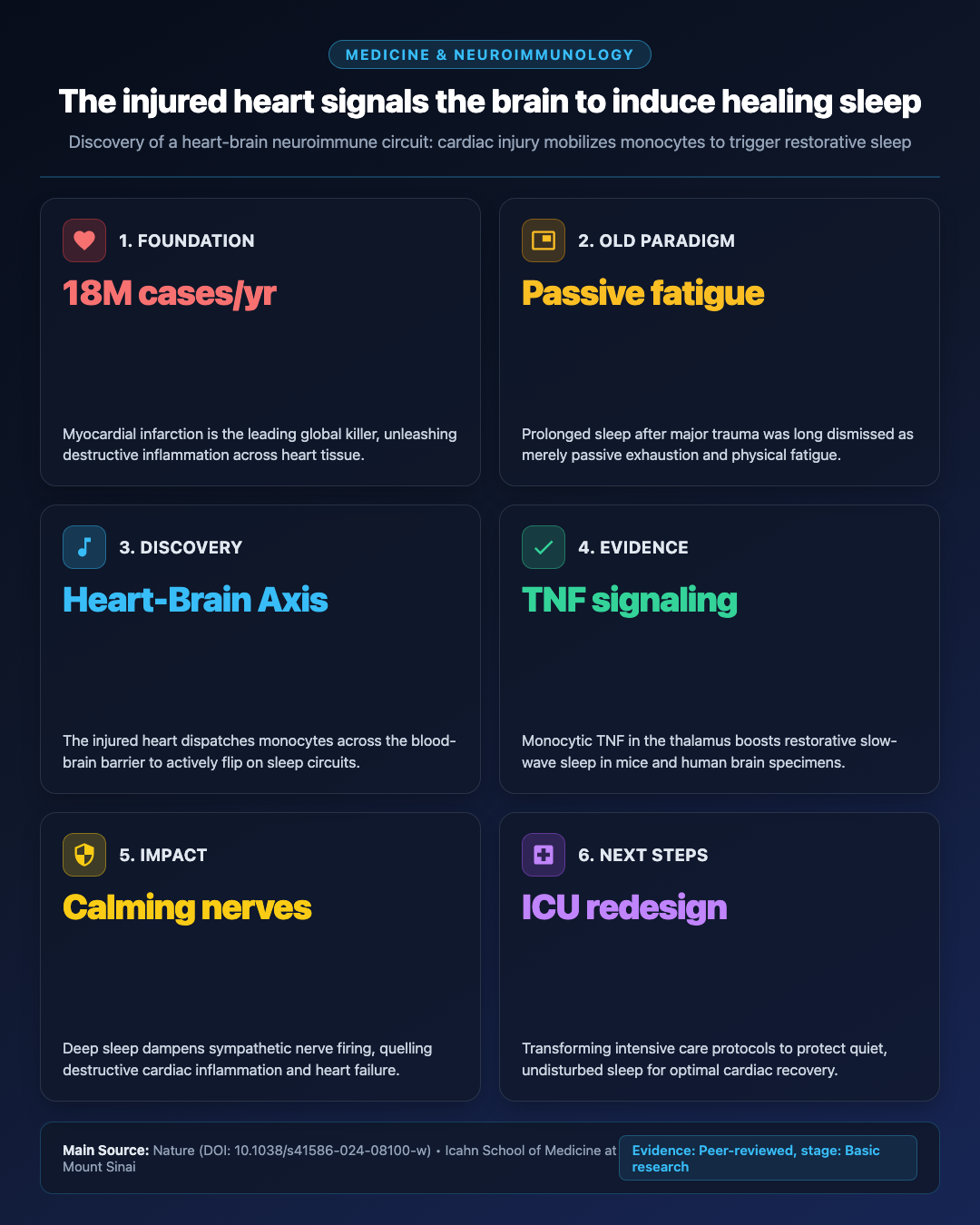
The injured heart signals the brain to induce healing sleep

Cutting early life sugar shields against diabetes and high blood pressure

First complete neural wiring map of an adult animal brain unveiled

Taiwan votes under pressure, Riyadh intercepts Houthi cruise missile November 2026
Water-based batteries double storage capacity through a four-electron molecular carrier

Wall Street seals best week in a year as Bitcoin slips below 60000

US disables Iran blockade-runner, Germany locks in Ukraine aid November 2026

AI Designs Single Peptide Drugs That Unlock Two Disease Targets

Weekly Horoscope Nov 30–Dec 6, 2026: Restoring Order and Emotional Depth

China activates state funds as global equities and gold stage strong rally

Zelenskyy rebukes Trump on Putin, New Zealand election deadlocked November 2026

China industrial profits surge 20% lifting Asian equities in broad rebound

Ancient poisoned spears reveal unexpected prehistoric human ingenuity

Two Italians killed in Kuwait strike, EU picks ECB chief November 2026

Scientists Move a Cancer Drug Recipe From Yew Trees to Tobacco
Ads