Ads
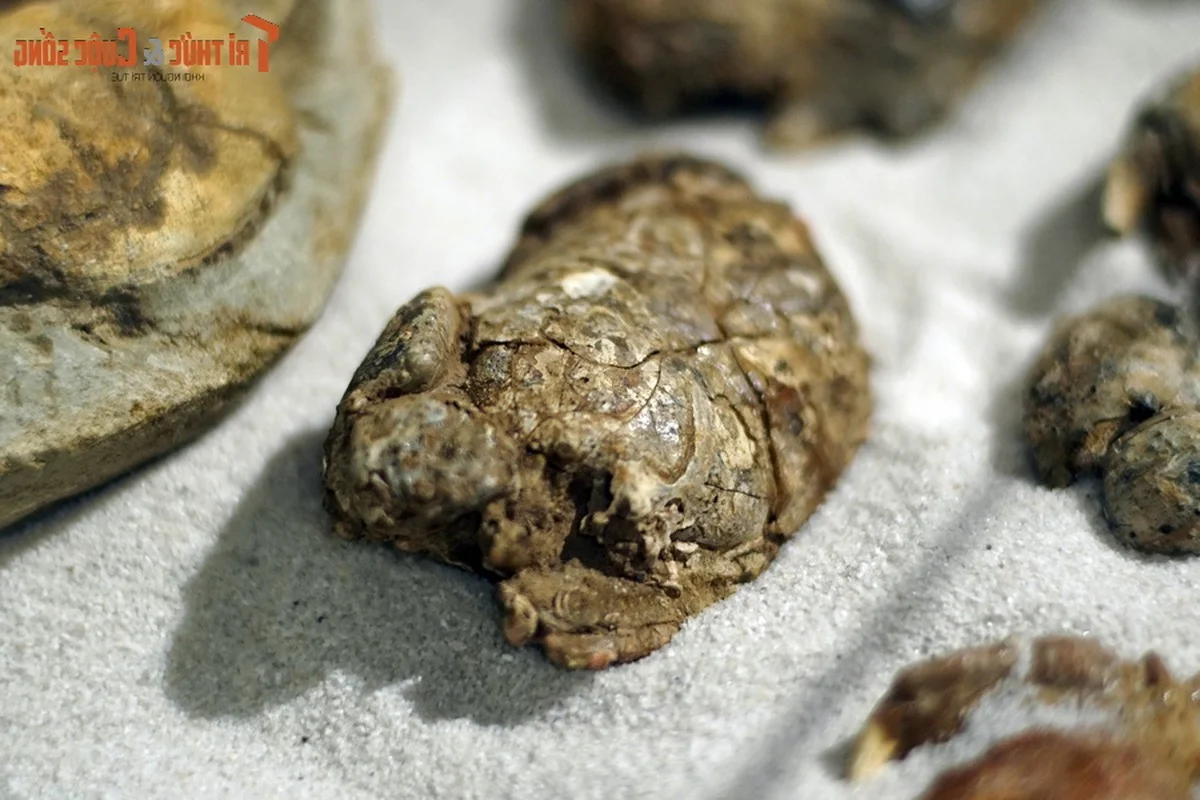
Ancient Wonders: 10,000-Year-Old Seafood Fossils Discovered in Quang Nam
khoảng 2 tháng trước
00Quang Nam province in Central Vietnam is famous for its UNESCO World Heritage sites, but a recent discovery has turned the spotlight onto its prehistoric past. Archaeologists and geologists have uncovered a series of 10,000-year-old fossils of 'renowned seafood' species, including ancient sea snails and clams, embedded in the geological layers of the region. These fossils provide a fascinating 'close-up' look at the marine life that thrived in the area long before the rise of modern civilizations.
The discovery of these fossils is significant for several reasons. First, it offers crucial data about the sea-level changes and environmental conditions in Central Vietnam over the past ten millennia. Second, it highlights the continuity of the region's rich marine biodiversity. Some of the fossilized species bear a striking resemblance to the seafood that remains a culinary staple in Quang Nam today, linking the ancient past with contemporary local culture.
Scientists are meticulously studying these specimens to understand the evolutionary path of these marine creatures. The preservation of the fossils is remarkable, allowing for detailed analysis of their structures. This find adds a new layer to the tourist appeal of Quang Nam, suggesting that beneath its historic towns and beautiful beaches lies a vast, untapped prehistoric world. For nature enthusiasts and history buffs, these 10,000-year-old fossils are a testament to the enduring legacy of the ocean. This post explores the scientific importance of the find and what it tells us about the ancient coastline of Vietnam.
#QuangNam, #AncientFossils, #MarineArchaeology, #VietnamHistory, #PrehistoricLife, #SeafoodFossils
0 comments
Ads
Related Posts
Ads