Ads
Living Underground on Mars: How Lava Tubes Could Host Human Colonists
khoảng 2 tháng trước
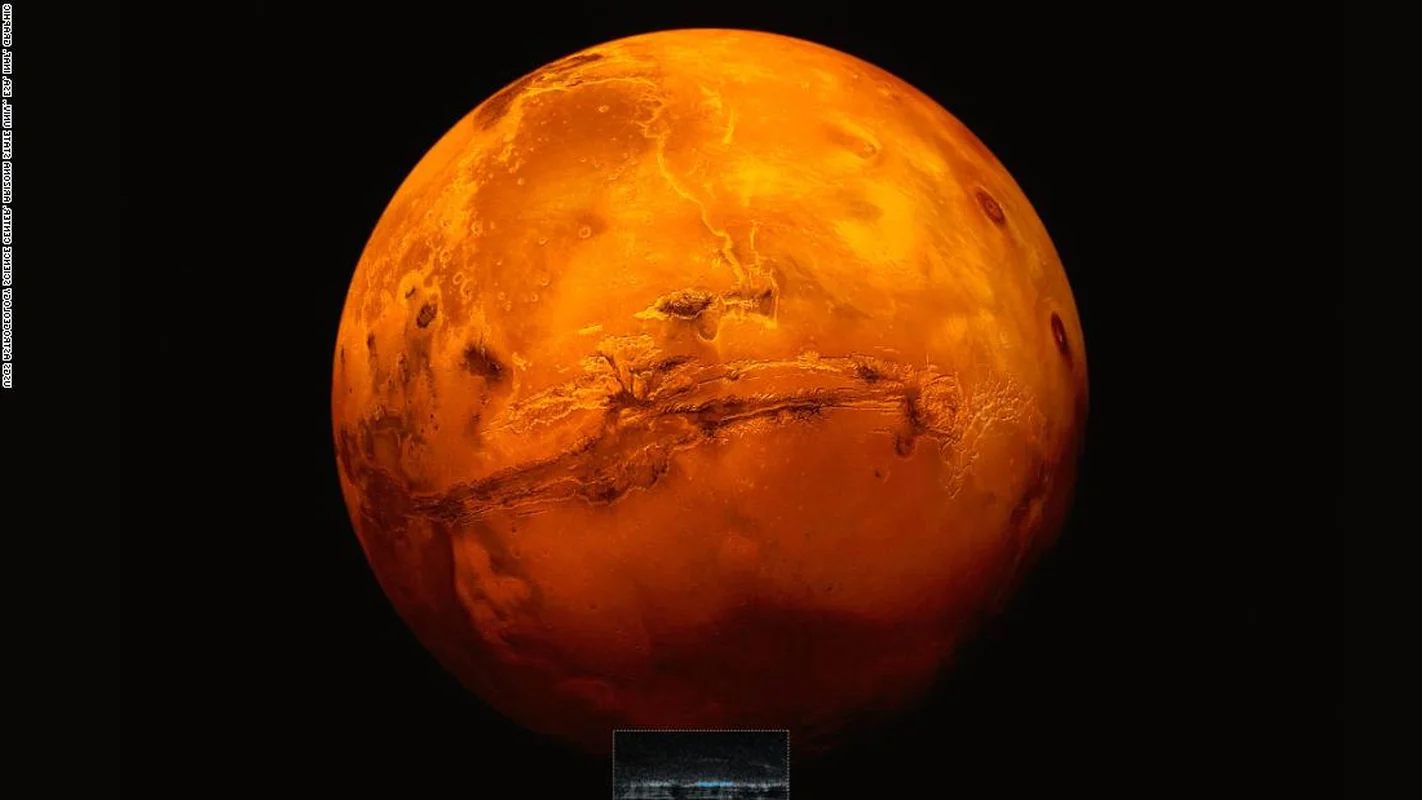
00As humanity looks toward the stars, the dream of establishing a permanent human settlement on Mars is closer than ever to becoming a reality. However, the Red Planet presents a hostile environment characterized by extreme freezing temperatures, a thin atmosphere, and dangerous cosmic radiation. To survive, future space colonists will need highly effective shelters, and scientists have proposed a surprising solution: living inside Mars' massive underground pits and lava tubes.
These subterranean structures, formed billions of years ago by volcanic activity, offer natural protection that surface habitats simply cannot match. On the surface of Mars, astronauts would be exposed to lethal doses of solar and cosmic radiation, as well as constant micrometeorite bombardment. By building habitats inside deep lava tubes and volcanic pits, colonizers can use the thick Martian rock as a natural shield, drastically reducing radiation exposure and creating a safer living environment.
In addition to radiation defense, Mars' underground caves offer thermal stability. Surface temperatures on Mars can plunge to a bone-chilling minus 80 degrees Fahrenheit (minus 62 degrees Celsius) or lower. Underground, the temperature remains much more consistent, making it easier to regulate the climate inside inflatable or modular habitats. These pits could also contain valuable resources, such as frozen water ice, which could be harvested for drinking water, oxygen production, and rocket fuel.
Space agencies like NASA and the ESA are already studying earthbound lava tubes in places like Hawaii and Iceland to prepare for future Martian missions. Developing the technology to explore and construct shelters inside these alien caves is a major focus of modern aerospace engineering. Living underground on Mars may sound like science fiction, but it could very well be the key to humanity's survival as a multi-planetary species.
#MarsColonization, #SpaceExploration, #MartianLavaTubes, #NASA, #FutureTech, #Astronomy
0 comments
Ads
Related Posts
Ads