Ads
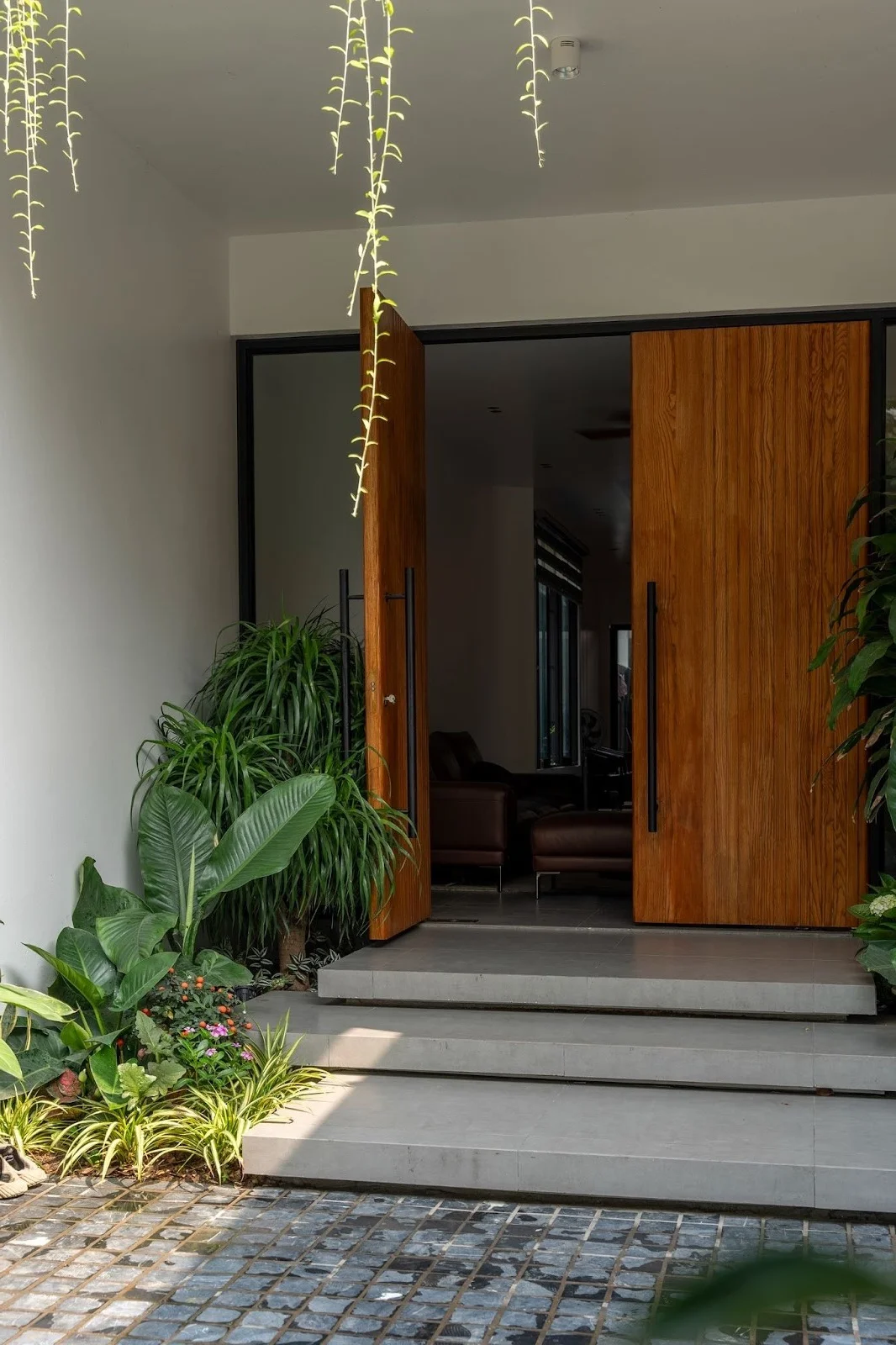
A Green Oasis in Hanoi: Exploring Innovative Eco-Friendly Architecture
khoảng 2 tháng trước
00In the heart of Hanoi, a city known for its dense population and bustling traffic, a new architectural marvel has emerged—a home designed as a 'green oasis.' This stunning residence is a prime example of biophilic design, which seeks to connect human occupants more closely to nature. The house features multiple layers of vertical gardens, rooftop greenery, and open-air courtyards that allow natural light and fresh air to permeate every room. By integrating plants directly into the structure, the architects have created a natural cooling system that significantly reduces the need for air conditioning, even during the sweltering summer months of Northern Vietnam.
The interior design focuses on sustainable materials such as reclaimed wood, bamboo, and local stone, creating a warm and earthy aesthetic that contrasts beautifully with the surrounding urban concrete. Large glass walls blur the boundaries between the inside and outside, making the lush gardens feel like an extension of the living space. This home is not just a place to live; it is a sanctuary that offers a peaceful escape from the noise and pollution of the city. Beyond its beauty, the 'green oasis' serves as a model for sustainable urban living, demonstrating how architecture can play a vital role in environmental conservation and improving the well-being of residents. The presence of greenery has been shown to reduce stress, improve air quality, and even boost cognitive function. As Hanoi continues to grow, projects like this offer a vision of a future where cities and nature can coexist in harmony. This gallery provides an in-depth look at the design details, from the intricate irrigation systems for the vertical walls to the thoughtful placement of indigenous plants that thrive in the local climate.
#GreenArchitecture, #HanoiLiving, #EcoFriendlyHome, #SustainableDesign, #UrbanOasis, #BiophilicDesign
Ads
0 comments
Related Posts
Ads