Ads
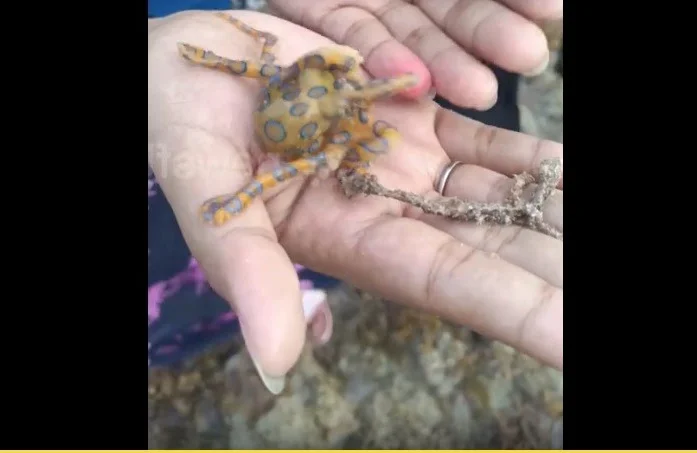
Heart-Stopping Selfies: The Danger of the Ocean's Most Deadly Assassin
khoảng 2 giờ trước
00The pursuit of the perfect social media photo can sometimes lead to life-threatening decisions. Recently, images have surfaced of tourists attempting to take selfies with one of the ocean's most beautiful but lethal inhabitants: the Blue-Ringed Octopus. While its vibrant, pulsating blue rings are mesmerizing, they are actually a high-voltage warning sign from nature. This tiny cephalopod carries enough venom to kill 26 adult humans within minutes, and there is currently no known antivenom.
In this post, we analyze why these encounters are so dangerous and why 'nature selfies' with unknown creatures are a growing concern for marine biologists. The Blue-Ringed Octopus is often found in shallow tide pools, making it easily accessible to unsuspecting swimmers and snorkelers. Its bite is often painless, meaning a victim might not even realize they have been envenomated until respiratory failure begins. We explore the biology of this 'silent assassin' and the powerful neurotoxin, tetrodotoxin, that it employs.
Safety in the ocean starts with education. We provide a guide on how to spot these creatures and what to do if you encounter one. The golden rule of marine exploration is 'look but don't touch.' This gallery serves as a stark reminder of the respect we must show to wildlife. While the ocean offers incredible beauty, it also demands caution. By understanding the risks, we can enjoy the wonders of the deep without putting our lives at risk. Share this post to spread awareness about ocean safety and the hidden dangers of the world's most toxic marine life.
#OceanSafety, #MarineLife, #BlueRingedOctopus, #WildlifeAwareness, #TravelSafety, #NaturePhotography
Ads
0 comments
Related Posts
Ads