Ads
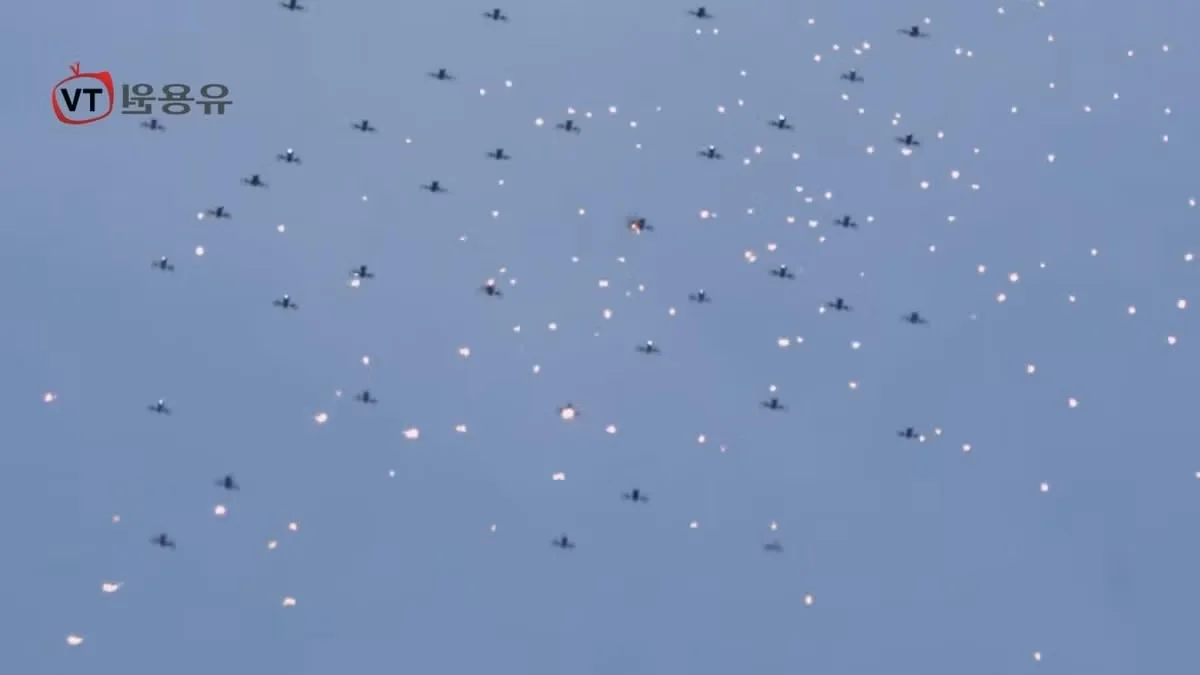
South Korea Deploys Automatic Air Defense Cannons Against Drone Swarms
khoảng 2 tháng trước
00In response to the rapidly escalating threat of unmanned aerial vehicles (UAVs) along its borders, South Korea recently conducted high-profile military drills deploying its advanced automatic air defense cannons. However, the real-world results of these exercises did not entirely meet the high expectations of military strategists, highlighting the immense difficulty modern armed forces face when trying to counter agile, low-altitude drone swarms. The military exercise utilized self-propelled anti-aircraft guns, designed to track and destroy incoming aerial targets automatically. While highly effective against traditional aircraft and helicopters, these heavy cannon systems struggled to consistently lock onto and neutralize smaller, faster, and highly maneuverable commercial-style drones modified for military use. The small radar cross-section of modern UAVs, combined with their ability to fly at extremely low altitudes, makes them incredibly difficult for standard radar and automated tracking systems to intercept. This gap in defense capabilities has sparked an urgent debate within South Korea's defense ministry regarding the modernization of their air defense infrastructure. Military analysts suggest that traditional kinetic weapons must be paired with next-generation electronic warfare systems, including high-powered laser weapons, signal jammers, and localized electromagnetic pulse (EMP) devices, to successfully neutralize drone threats. This gallery provides an in-depth look at the military hardware deployed during the drills, the tactical challenges faced by the operators, and the strategic shifts South Korea is planning to secure its airspace against the growing threat of tactical UAVs.
#SouthKoreaMilitary, #AntiDroneWarfare, #UAVDefense, #MilitaryTechnology, #AirDefenseSystems, #DefenseNews
0 comments
Ads
Related Posts
Ads