Ads
4 Common Household Products Linked to Cancer Risks Exposed by Health Experts
khoảng 2 tháng trước
00In a recent eye-opening television broadcast, health experts and researchers exposed four common household items that many families use daily without realizing their potential carcinogenic risks. While we often focus on outdoor pollution and processed foods, the hidden dangers inside our own homes can have a significant impact on our long-term health. Understanding these risks is the first step toward creating a safer, healthier living environment for your loved ones.
Here are the four everyday products highlighted in the broadcast, along with safer alternatives you can easily adopt:
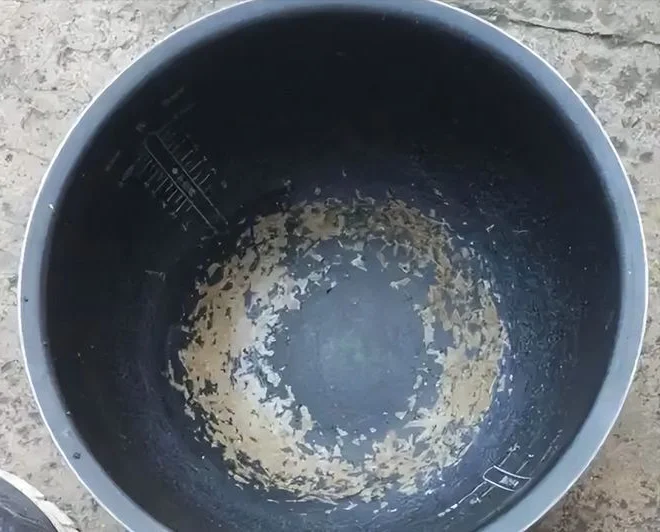
1. Damaged Non-Stick Cookware: Non-stick pots and pans are incredibly convenient, but once the coating is scratched or chipped, they can release harmful chemicals like polytetrafluoroethylene (PTFE) and other toxic compounds into your food. Over time, exposure to these substances has been linked to various health issues. To stay safe, replace damaged cookware immediately or switch to cast iron, stainless steel, or ceramic alternatives.
2. Chemical Air Fresheners and Synthetic Candles: Many families use aerosol sprays, plug-in air fresheners, and scented candles to keep their homes smelling fresh. However, many of these products contain volatile organic compounds (VOCs) and phthalates, which can degrade indoor air quality and pose respiratory and long-term health risks. Opt for natural alternatives like essential oil diffusers, beeswax candles, or fresh plants to naturally purify your air.
3. Harsh Chemical Cleaning Agents: Strong household cleaners designed to remove stains instantly often contain corrosive acids, chlorine, and synthetic fragrances that can be inhaled or absorbed through the skin. Prolonged exposure to these harsh chemicals can disrupt hormones and irritate the respiratory system. Switching to eco-friendly, plant-based cleaners or simple DIY solutions using vinegar, baking soda, and lemon is a highly effective and safe alternative.
4. Low-Quality Plastic Food Containers: Using plastic containers to microwave food or store hot leftovers can cause harmful chemicals like Bisphenol A (BPA) and phthalates to leach into your meals. Even 'BPA-free' plastics can release other chemical stabilizers when heated. To protect your family, transition to glass, silicone, or stainless steel food storage containers.
By making conscious, informed choices and replacing these everyday hazards with safer, natural alternatives, you can significantly reduce your family's exposure to environmental toxins and promote a healthier lifestyle.
#HealthyLiving, #CancerPrevention, #ToxicFreeHome, #HouseholdSafety, #WellnessTips, #EcoFriendly
0 comments
Ads
Related Posts
Ads