Ads
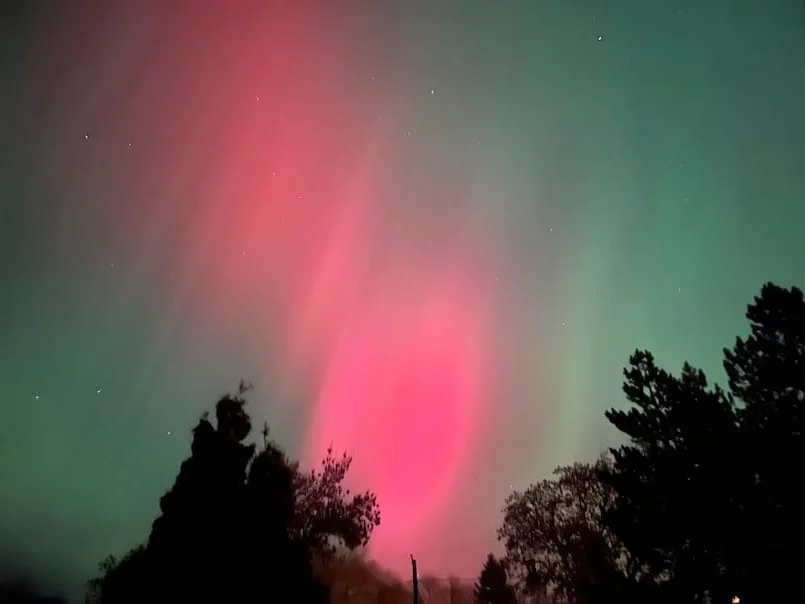
Solar Storms Trigger Spectacular Northern Lights Displays Across Northern Hemisphere
khoảng 2 tháng trước
00Recent surges in solar activity have gifted skywatchers across the Northern Hemisphere with some of the most vibrant Northern Lights (Aurora Borealis) displays in recent memory. These celestial light shows are the direct result of solar storms—bursts of energy and charged particles from the Sun that interact with Earth's magnetic field. When a coronal mass ejection (CME) or a high-speed solar wind stream hits our planet, it triggers a geomagnetic storm. As these solar particles collide with gases in our atmosphere, such as oxygen and nitrogen, they release energy in the form of brilliant greens, purples, and reds. While these storms can sometimes cause minor disruptions to GPS and radio signals, the visual payoff is undeniable. Experts note that we are currently approaching the 'solar maximum'—the peak of the Sun's 11-year activity cycle—which means we can expect more frequent and intense auroras over the next year. From Scandinavia and Canada to as far south as the northern United States and parts of Europe, photographers and nature lovers have been flocking to dark-sky locations to capture the phenomenon. The beauty of the Aurora Borealis serves as a stunning reminder of the dynamic relationship between our star and our planet. For those hoping to catch a glimpse, scientists recommend monitoring space weather apps and finding a spot far from city lights during peak activity. As the Sun continues its active phase, the opportunity to witness these 'dancing lights' will remain high, providing a magical experience for anyone lucky enough to see them in person.
#SolarStorm, #NorthernLights, #AuroraBorealis, #SpaceWeather, #NaturePhotography, #Astronomy
0 comments
Ads
Related Posts
Ads