Ads
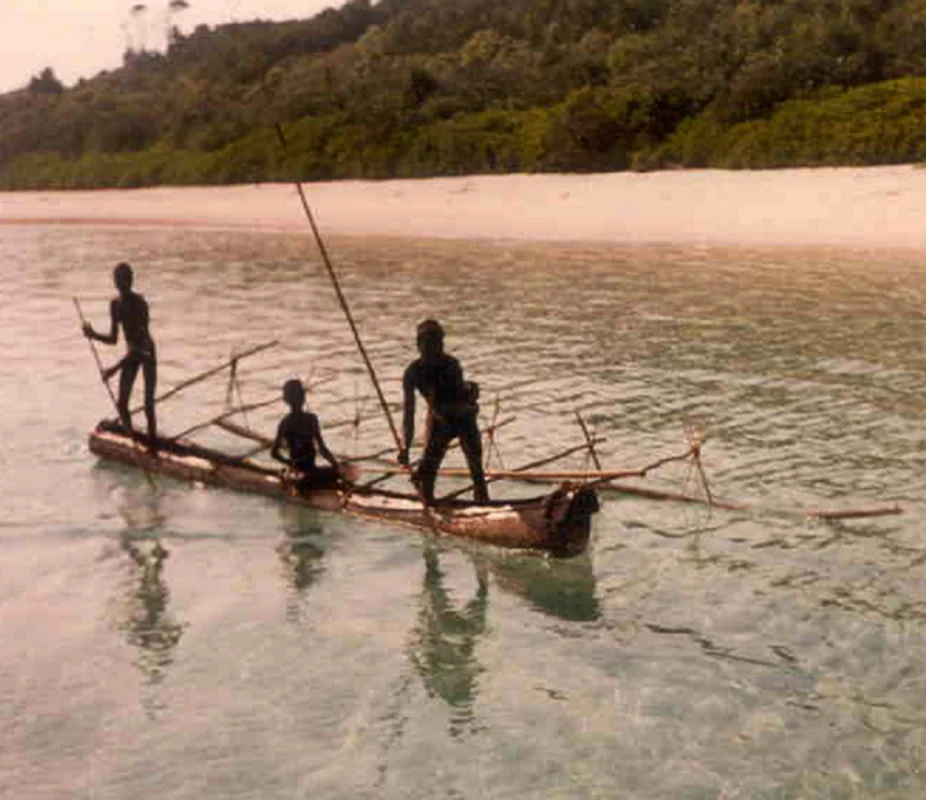
Exploring the Lives of the World's 5 Most Isolated Tribes
khoảng 2 tháng trước
00In an era dominated by global connectivity, high-speed internet, and rapid urbanization, it is hard to imagine that there are still communities living in complete isolation from the modern world. Yet, deep within dense rainforests, remote islands, and rugged terrains, several uncontacted and isolated tribes continue to live exactly as their ancestors did thousands of years ago. These tribes have actively chosen to avoid contact with modern civilization, maintaining a delicate balance with nature that challenges our understanding of human society.
One of the most famous examples is the Sentinelese tribe, residing on North Sentinel Island in the Indian Ocean. Known for fiercely defending their territory from outsiders, the Sentinelese have rejected all contact with the outside world. Their language, customs, and social structure remain entirely unknown to modern anthropologists. Similarly, deep within the Amazon rainforest, tribes like the Yanomami and various uncontacted groups live nomadic lifestyles, relying entirely on hunting, gathering, and traditional agriculture. These communities possess an unparalleled knowledge of their local ecosystems, using plants for medicine and navigating vast wildernesses with ease.
For these isolated tribes, maintaining seclusion is not just a cultural preference; it is a matter of survival. Lacking immunity to common modern diseases like influenza, measles, or even the common cold, first contact with outsiders can prove catastrophic, sometimes wiping out entire communities. Furthermore, their ancestral lands are constantly threatened by illegal logging, mining, and agricultural expansion. International organizations and governments work to establish protective boundaries around these tribal territories to prevent encroachment and preserve their right to self-determination.
Studying these tribes from a respectful distance offers profound insights into human history and adaptation. They remind us of a time when humanity lived in perfect harmony with the environment, taking only what was necessary for survival. Protecting these isolated communities is a crucial ethical responsibility for the global community, ensuring that their unique cultural heritages, languages, and ways of life are preserved for generations to come.
#IsolatedTribes, #UncontactedPeoples, #IndigenousCulture, #Anthropology, #CulturalPreservation, #AmazonRainforest
0 comments
Ads
Related Posts
Ads