Ads
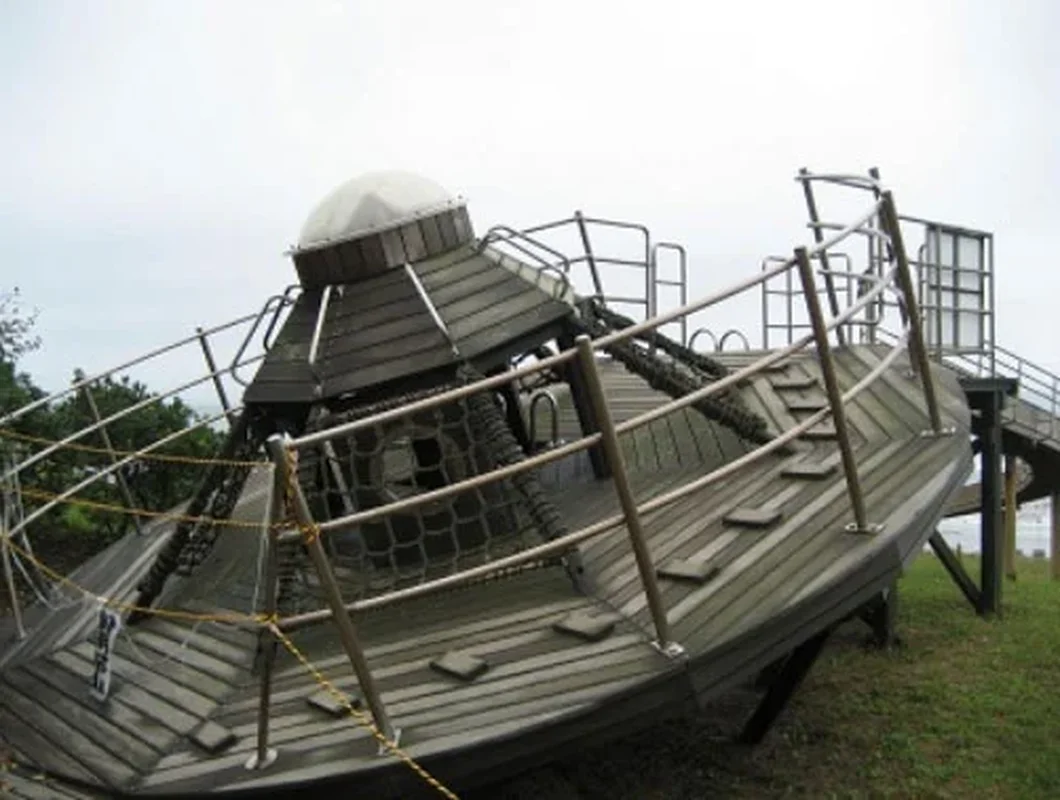
Historical Evidence of Japan's 1803 UFO Incident: The Utsuro-bune Files
khoảng 2 tháng trước
00Delving deeper into the 1803 UFO encounter in Japan, we examine the historical records that have kept the Utsuro-bune legend alive for over 200 years. This event is not merely a tall tale passed down through oral tradition; it is supported by several detailed manuscripts from the Edo period. These documents provide consistent descriptions of the 'hollow ship' that appeared at Haratono-hama. The craft was described as being approximately 3 meters high and 5 meters wide, constructed from rosewood and metal, with glass or crystal windows that allowed light to enter.
What makes this case particularly compelling for modern UFO researchers is the level of detail regarding the interior of the vessel. Witnesses noted strange symbols etched onto the walls, which some contemporary theorists compare to 'alien' hieroglyphics. The woman inside was described as having hair made of white extensions or fur, and she carried a small box that she protected with her life. This detail has led to various theories ranging from the woman being a disgraced princess to an extraterrestrial being carrying advanced technology.
In the context of 19th-century Japan, which was largely isolated from the rest of the world under the 'Sakoku' policy, such an event would have been truly earth-shattering. The cultural impact of the Utsuro-bune is seen in how it has been depicted in ukiyo-e woodblock prints and literature. By analyzing these ancient records through a modern lens, we can appreciate the sophisticated way in which the people of the Edo period documented an encounter that defied their understanding of the world. This post explores the 'shocking' nature of the event and why it remains a top-tier mystery in the annals of ufology and Japanese history.
#UfoJapan, #UtsuroBuneMystery, #JapaneseHistory, #EdoPeriodUFO, #AlienEncounter, #HistoricalMysteries
0 comments
Ads
Related Posts
Ads