Ads
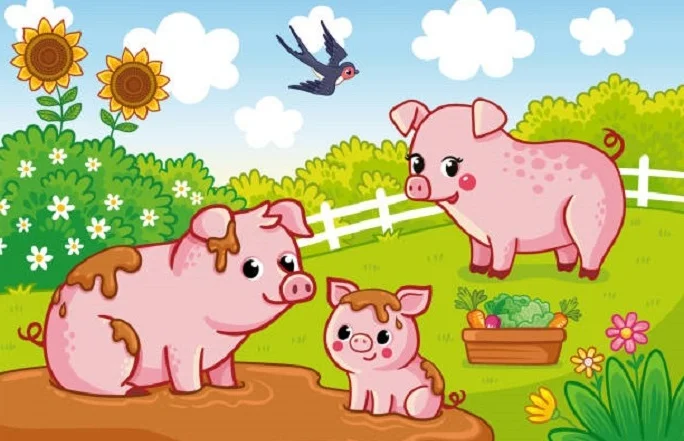
The Legend of the Pig: A Classic Vietnamese Fairy Tale and Moral Story
khoảng 2 giờ trước
00Folk tales and fairy tales have always played an essential role in preserving cultural heritage and teaching valuable life lessons to younger generations. Among the rich collection of traditional Vietnamese folklore, 'Su tich con Lon' (The Legend of the Pig) stands out as a charming and educational story. This classic tale explains the origin of the domestic pig while delivering a powerful moral lesson about the consequences of laziness, greed, and the importance of hard work.
The story typically revolves around a character who, due to their idle lifestyle, reluctance to work, and constant desire for food and sleep, undergoes a magical transformation. Through various trials and the intervention of supernatural elements, the character is turned into a pig, destined to live a life of eating and sleeping. The tale serves as a humorous yet profound warning to children about the negative traits of dependency and sloth, encouraging them to be active, helpful, and diligent in their daily lives.
Passing down these traditional stories helps maintain a connection to ancestral wisdom and cultural values. In Vietnamese culture, the pig is often associated with prosperity and wealth, but in the context of this specific folk tale, it also serves as a gentle reminder of the balance between leisure and labor. Retelling 'The Legend of the Pig' in modern times allows parents and educators to engage children with colorful narratives while instilling core values of responsibility and integrity.
As families search for meaningful stories to read to their children, classic Vietnamese fairy tales like 'Su tich con Lon' offer a perfect blend of entertainment, cultural education, and moral guidance. These stories remain timeless, carrying lessons that are just as relevant today as they were generations ago.
#VietnameseFairyTales, #FolkTales, #LegendOfThePig, #ChildrenStories, #CulturalHeritage, #MoralStories
0 comments
Ads
Related Posts
Ads