Ads
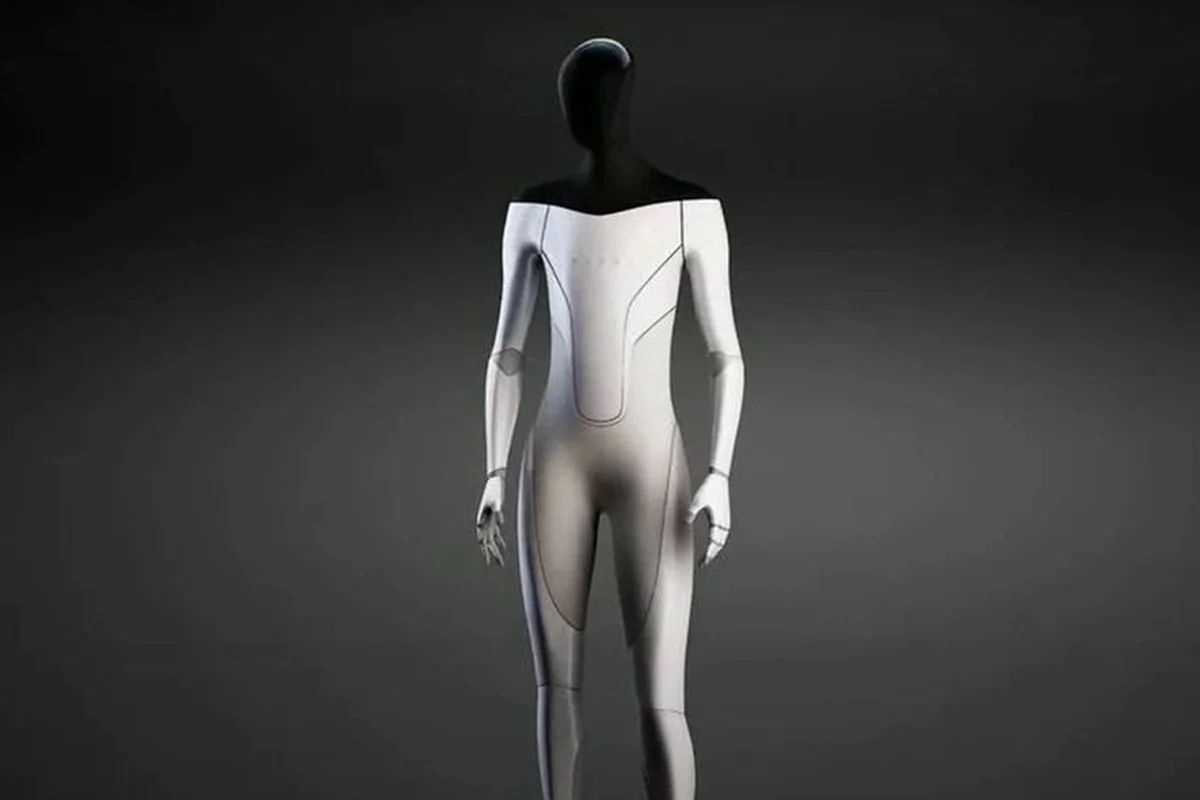
Inside Elon Musk’s Vision: A Close Look at the Tesla Optimus Humanoid Robot
khoảng 2 tháng trước
00The future of robotics is arriving faster than ever, and at the forefront of this technological revolution is Elon Musk's Tesla Optimus humanoid robot. Designed to perform tasks that are unsafe, repetitive, or boring for humans, the Optimus bot represents a massive leap forward in artificial intelligence and mechanical engineering. Recent close-up demonstrations of the robot have showcased its incredible dexterity, balance, and ability to interact naturally with its surroundings, sparking intense interest from tech enthusiasts, investors, and futurists worldwide.
One of the most impressive features of the Tesla Optimus is its advanced hands, which utilize sensory feedback to handle delicate objects—such as eggs or glass—without breaking them. Powered by the same artificial intelligence system that drives Tesla's Full Self-Driving (FSD) vehicles, the robot is capable of learning from its environment, navigating complex spaces, and performing basic household chores like watering plants or carrying groceries. Elon Musk has envisioned a future where these robots will be affordable enough for everyday consumers, potentially costing less than a standard car, and becoming a common fixture in homes and factories.
While the technological progress of Optimus is undeniable, it also raises important questions about the future of the labor market and human-robot interaction. Proponents argue that humanoid robots will solve labor shortages in manufacturing and eldercare, allowing humans to focus on creative and high-level tasks. Critics, however, warn of potential job displacement and the ethical implications of highly autonomous AI. As Tesla continues to refine the Optimus design and prepare for mass production, one thing is certain: the boundary between science fiction and reality is rapidly dissolving.
#TeslaOptimus, #ElonMusk, #HumanoidRobot, #ArtificialIntelligence, #FutureTech, #RoboticsInnovation
0 comments
Ads
Related Posts
Ads