Ads
Why Mini Fire Extinguishers Fail to Stop Electric Vehicle Battery Fires
khoảng 1 giờ trước
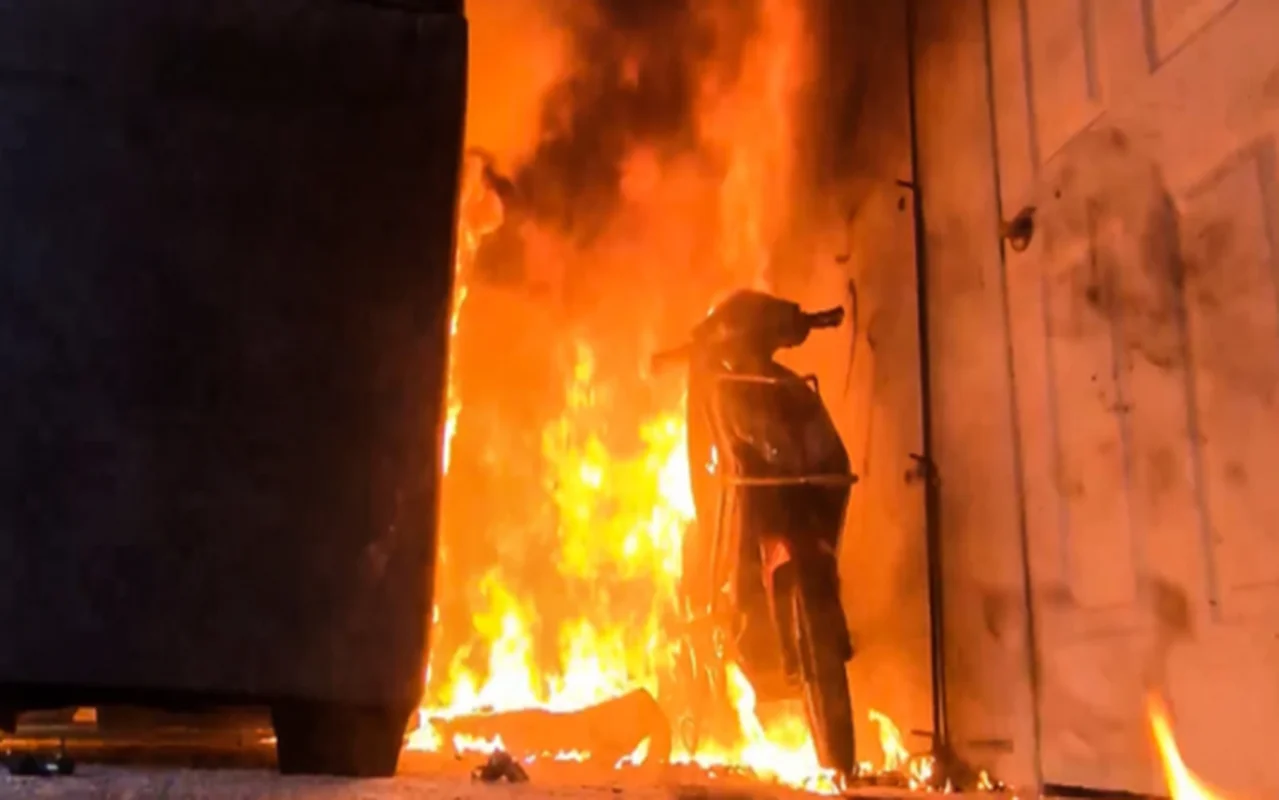
00As electric vehicles (EVs) become more common on our roads, a new set of safety concerns has emerged, particularly regarding battery fires. Many car owners keep a mini fire extinguisher in their vehicle, believing it can handle any emergency. However, when it comes to a lithium-ion battery fire, these standard portable units are often completely ineffective. To understand why, we must look at the science of 'thermal runaway.' Unlike a traditional internal combustion engine fire, which is fueled by gasoline and can be smothered by cutting off oxygen, an EV battery fire is a chemical reaction that generates its own oxygen. Once a cell in the battery pack reaches a certain temperature, it triggers a chain reaction that spreads to adjacent cells. This process releases an immense amount of heat and toxic gases. A mini fire extinguisher simply does not have the cooling capacity or the volume of extinguishing agent required to stop this internal chemical process. Most standard extinguishers use dry powder or CO2, which might put out a small surface fire but will not cool the battery cells deep inside the protective casing. Firefighters often require thousands of gallons of water and specialized equipment to fully extinguish and cool an EV battery. For EV owners, the best course of action during a battery fire is to evacuate the vehicle immediately and call emergency services. Understanding the limitations of safety equipment is crucial for every driver. While EVs are generally safe, the unique nature of their power source requires a different approach to fire safety and emergency response compared to traditional vehicles.
#EVFireSafety, #ElectricVehicles, #BatterySafety, #FireExtinguisher, #ThermalRunaway, #TechSafety
0 comments
Ads
Related Posts
Ads