Ads
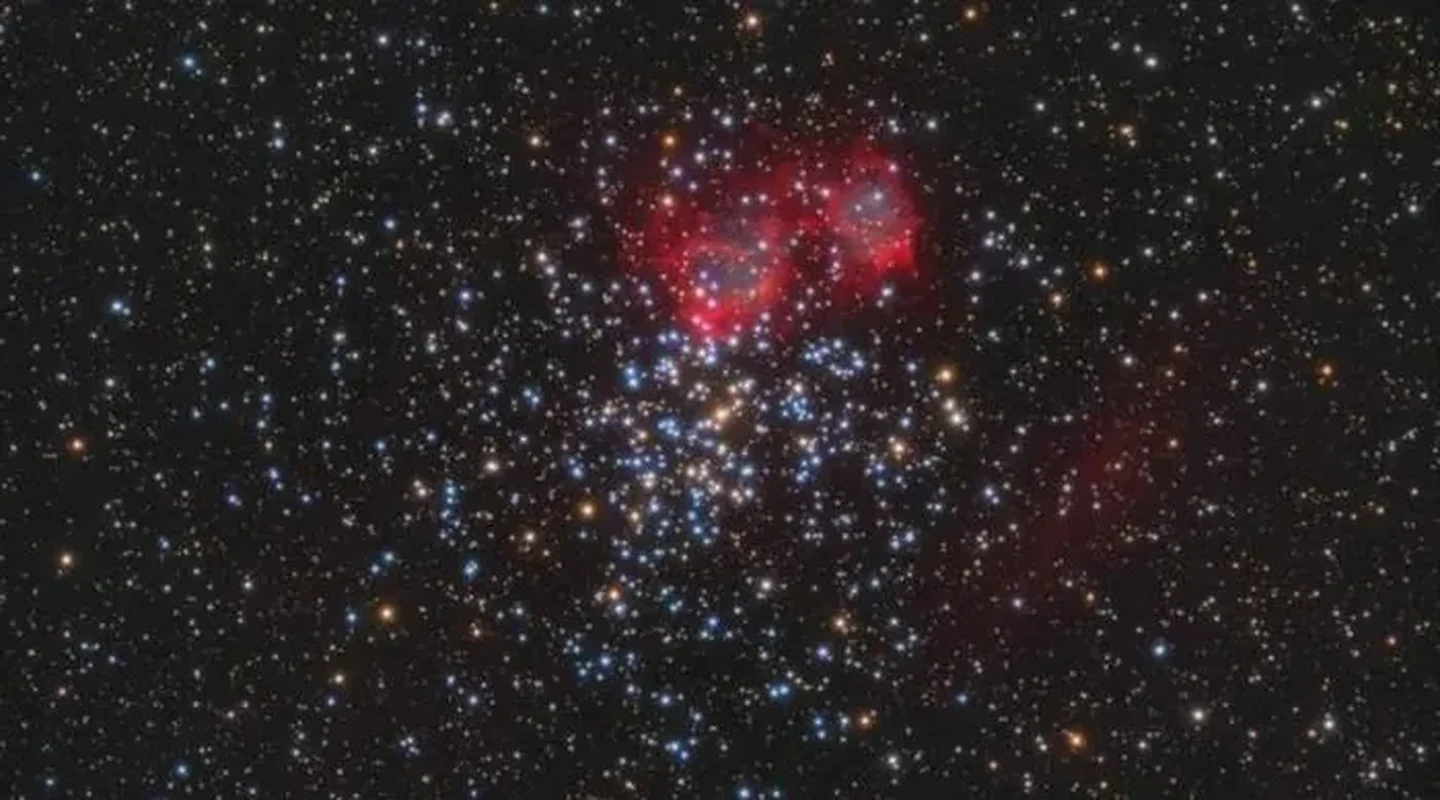
A Glimpse of Earth's Future? Scientists Discover 'Ghostly' Object in Deep Space
khoảng 8 giờ trước
00In a discovery that sounds like something out of a science fiction novel, astronomers have identified a 'ghostly' object in the cosmos that may provide a terrifyingly accurate preview of Earth's ultimate fate. This celestial body is a white dwarf—the dense, smoldering core left behind after a star like our Sun has exhausted its nuclear fuel. What makes this particular white dwarf so significant is the debris orbiting it: the shattered remains of planets that once looked very much like our own.
Billions of years from now, our Sun will expand into a Red Giant, likely consuming Mercury, Venus, and possibly Earth, before collapsing into a white dwarf. By observing these distant 'zombie' solar systems, scientists are essentially looking into a crystal ball. The 'ghostly' image of planets being torn apart by the intense gravity of a dying star serves as a somber reminder of the life cycle of the universe. This gallery explores the latest astronomical findings and the complex physics behind the death of stars.
The research, involving advanced telescopes and spectroscopic analysis, reveals that these white dwarfs are often 'polluted' with heavy elements like magnesium and iron—elements that are the building blocks of rocky planets. This suggests that the star is actively 'eating' its former planetary children. While this sounds like a cosmic horror story, it provides invaluable data for understanding the chemical composition of planets outside our solar system. This post breaks down the science of stellar evolution and what these 'ghostly' objects tell us about the long-term survival of planetary systems. It’s a fascinating, if slightly scary, journey into the far reaches of space and time, showing that even in death, stars continue to reveal the secrets of the universe.
#Astronomy, #SpaceDiscovery, #WhiteDwarf, #EarthFuture, #Cosmos, #ScienceNews
0 comments
Ads
Related Posts
Ads