Ads
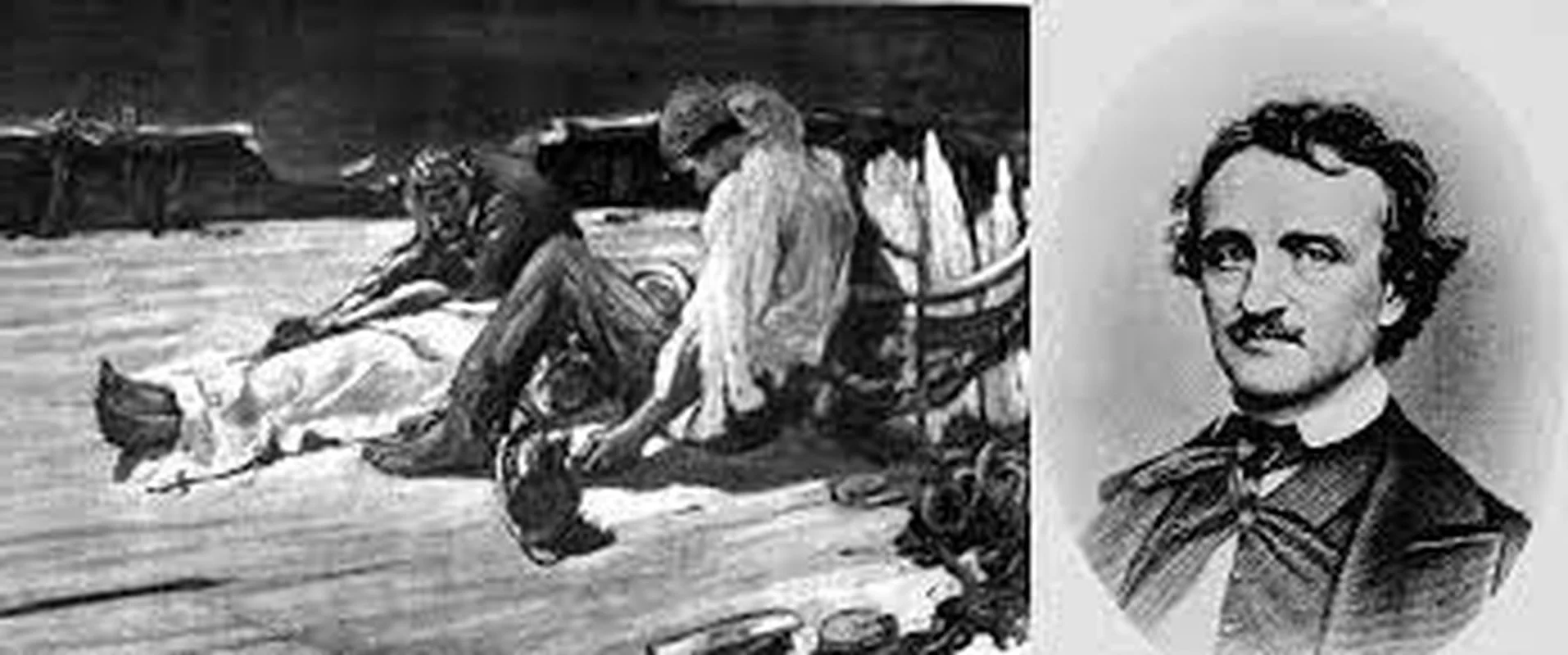
Edgar Allan Poe's Chillingly Accurate Richard Parker Prophecy
khoảng 2 tháng trước
00Edgar Allan Poe, the master of macabre and gothic fiction, is renowned for his dark imagination and haunting tales. However, one of his most terrifying stories is not a work of supernatural horror, but a chillingly accurate 'prophecy' that came true decades after his death. In his only completed novel, *The Narrative of Arthur Gordon Pym of Nantucket* (published in 1838), Poe detailed a gruesome shipwreck where starving survivors drew straws to decide who would be sacrificed and eaten to save the others. The unfortunate victim was a young cabin boy named Richard Parker.
At the time of publication, Poe’s tale of cannibalism was viewed as a thrilling but fictional survival story. However, fast forward 46 years to 1884, and a real-life tragedy mirrored Poe's fiction with terrifying precision. A yacht named the *Mignonette* sank in the South Atlantic, leaving four crew members stranded in a small lifeboat with no food or water. As starvation set in, the crew made the desperate decision to kill and consume the weakest member to survive. In an unbelievable twist of fate, the cabin boy they sacrificed was a 17-year-old youth named Richard Parker.
The stunning coincidences between Poe's fictional account and the real-world trial of *Regina v. Dudley and Stephens* have puzzled historians, literary critics, and mystery enthusiasts for generations. How did Poe name the exact victim, describe the exact circumstances of a shipwreck, and detail the act of survival cannibalism decades before it actually occurred? While skeptics dismiss it as an extraordinary coincidence, others view it as a manifestation of Poe's eerie, prophetic connection to the darker forces of reality. This unsettling historical mystery continues to fascinate readers, cementing Poe's legacy as a writer whose dark visions sometimes transcended the boundaries of fiction.
#EdgarAllanPoe, #RichardParker, #LiteraryMysteries, #CoincidenceOrProphecy, #DarkLiterature, #TrueHistory, #ClassicAuthors
0 comments
Ads
Related Posts
Ads