Ads
Surprising and Little-Known Facts About the Golden Jackal of Vietnam
khoảng 2 giờ trước
00The dense forests and diverse ecosystems of Vietnam are home to many fascinating wild animals, but few are as mysterious and misunderstood as the golden jackal. Often mistaken for domestic stray dogs or other wild canines, the golden jackal (chó rừng) possesses unique biological traits, behavioral patterns, and ecological roles that surprise even local residents. Exploring the secret life of this elusive predator reveals the rich biodiversity hidden within Vietnam's wilderness.
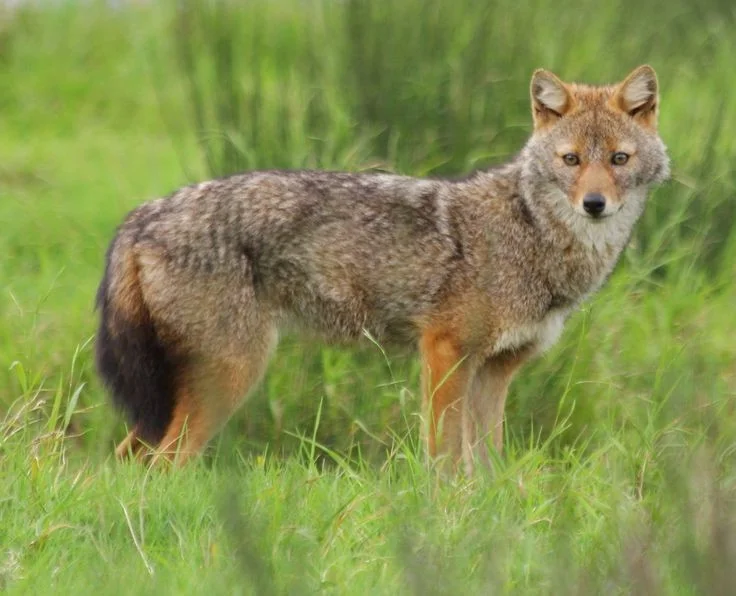
Golden jackals are highly adaptable, medium-sized carnivores characterized by their golden-sandy coats, bushy tails, and keen senses. They are incredibly resilient animals, capable of thriving in a variety of habitats ranging from dense tropical forests to semi-arid regions and even agricultural borders. As opportunistic omnivores, their diet is incredibly diverse, consisting of small rodents, birds, insects, fallen fruits, and occasionally carrion. This flexible diet allows them to play a crucial role in their ecosystem by controlling pest populations and clean-up in the wild.
Despite their ecological importance, golden jackals are rarely seen due to their nocturnal and secretive nature. They are highly social animals, often forming monogamous breeding pairs and hunting in small family groups. Their complex vocalizations, which include high-pitched howls and yips, are used to communicate over long distances and defend their territory. Understanding and protecting these wild canines is essential for maintaining the delicate balance of Vietnam's natural habitats, reminding us of the wild beauty that exists just beyond our cities.
#GoldenJackal, #VietnamWildlife, #WildCanines, #NatureDocumentary, #ForestEcology, #RareAnimals
Ads
0 comments
Related Posts
Ads