Ads
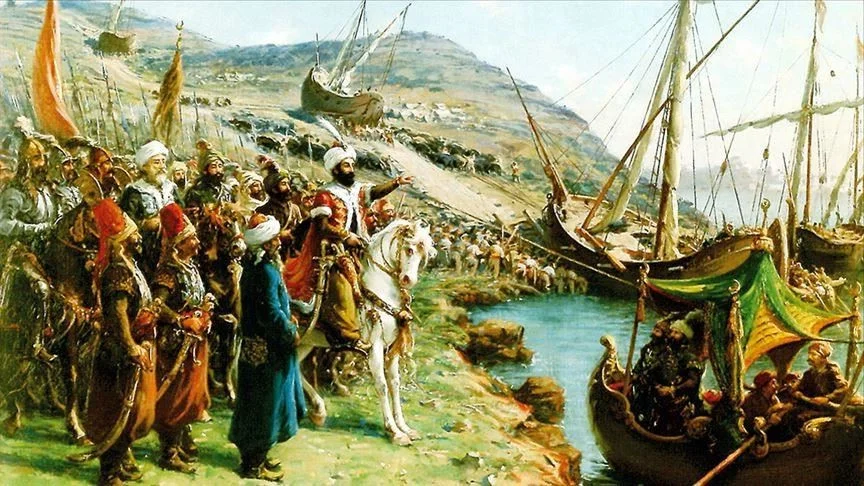
The Fall of an Empire: The Battle That Ended the Byzantine Era
khoảng 2 giờ trước
00The year 1453 marked a turning point in human history, signaling the end of the Middle Ages and the final collapse of the Roman lineage in the East. The Siege of Constantinople was not just a military engagement; it was a clash of civilizations, technologies, and ideologies. For over a thousand years, the Byzantine Empire had stood as a bastion of culture and Christianity, but it finally met its match in the rising power of the Ottoman Empire, led by the young and ambitious Sultan Mehmed II.
This post reveals the shocking details of the battle that brought the 'Queen of Cities' to its knees. We examine the revolutionary use of super-sized cannons, designed by the engineer Orban, which shattered the 'impregnable' Theodosian Walls. The siege was a masterclass in logistics, including the famous feat of transporting Ottoman ships overland to bypass the Golden Horn's chain boom. We also delve into the desperate defense led by Emperor Constantine XI Palaiologos, who chose to die with his city rather than surrender.
What were the long-term consequences of this defeat? The fall of Byzantium triggered a massive migration of Greek scholars to Italy, fueling the Renaissance. It also forced European powers to look for new trade routes to the East, eventually leading to the Age of Discovery. Through historical maps, artistic recreations, and archaeological evidence, we reconstruct the final days of the Byzantine Empire. Understanding this battle is key to understanding the modern map of Europe and the Middle East. Explore the courage, the betrayal, and the technological shifts that changed the world forever.
#ByzantineEmpire, #HistoryBuff, #Constantinople1453, #OttomanEmpire, #MilitaryHistory, #WorldHistory
Ads
0 comments
Related Posts
Ads