Ads
Mysterious Wonders of Nature at the World's Highest Altitudes
3 tháng trước
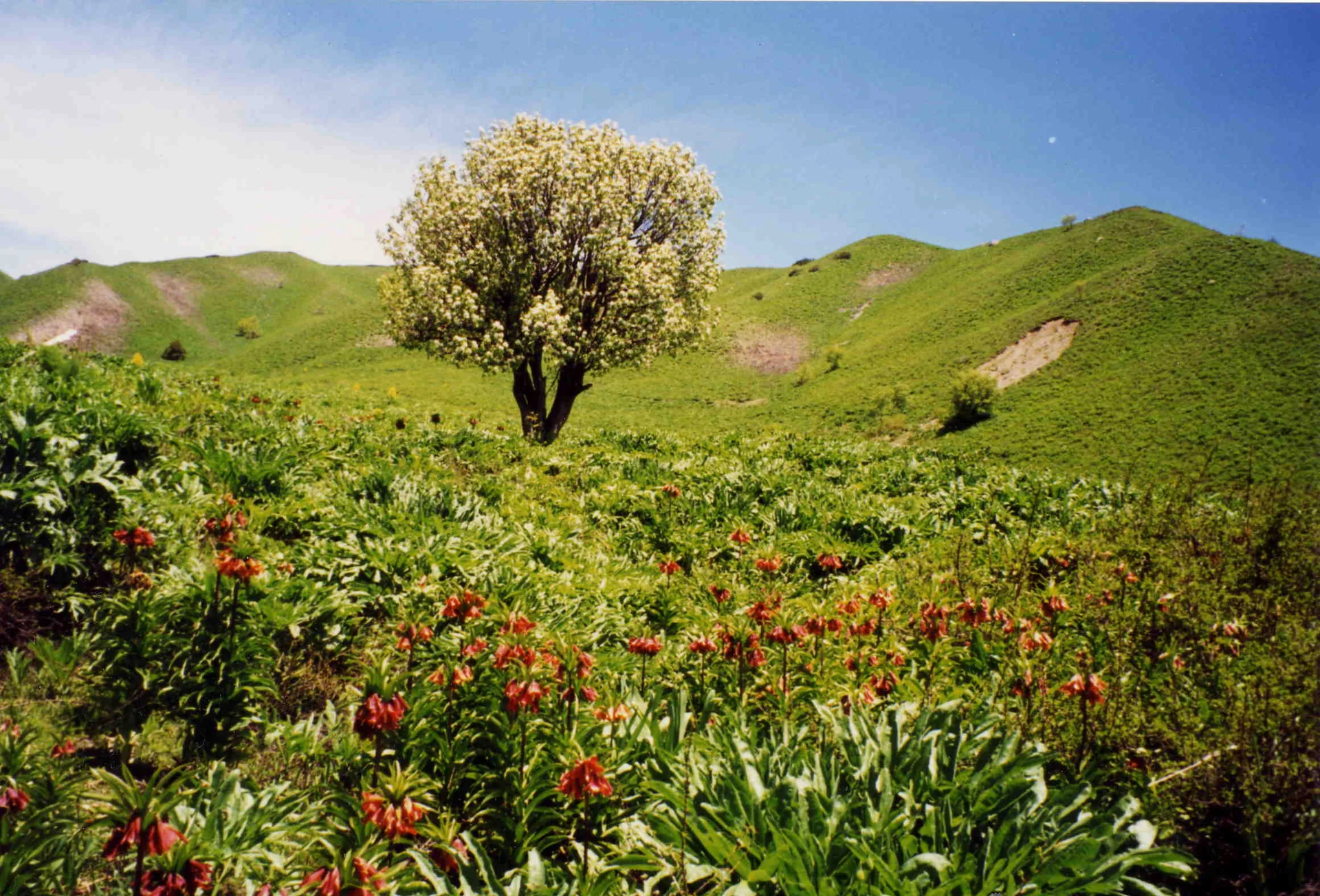
00Nature never ceases to amaze, especially in the most extreme environments on Earth. At the planet's highest altitudes, where the air is thin and the temperatures are bone-chilling, life has found extraordinary ways to adapt and thrive. These regions, often referred to as the 'Roof of the World,' hold mysteries that scientists are only beginning to unravel. From rare, resilient flora that blooms amidst the snow to elusive predators that roam the rugged peaks, the biodiversity of high-altitude ecosystems is both beautiful and baffling.
The geological formations found at these heights are equally stunning. Towering peaks, crystalline glacial lakes, and hidden valleys create a landscape that feels almost otherworldly. However, these environments are also incredibly fragile. Climate change is having a profound impact on high-altitude regions, with melting glaciers and shifting weather patterns threatening the unique species that call these places home. Exploring these areas requires not only physical endurance but also a deep respect for the delicate balance of nature.
Recent expeditions have uncovered new information about how organisms survive with limited oxygen and intense UV radiation. These findings have implications not just for biology, but also for our understanding of how life might exist on other planets. The mystery and majesty of high-altitude nature, as highlighted by Tri thuc va Cuoc song, serve as a powerful reminder of the Earth's wonders and the importance of conservation. As we continue to explore these high-reaching frontiers, we gain a greater appreciation for the resilience of life and the breathtaking beauty of the natural world in its most untouched state.
#NatureWonders, #HighAltitude, #MountainLife, #Ecology, #NaturalBeauty, #Conservation
0 comments
Ads
Related Posts
Ads