Ads
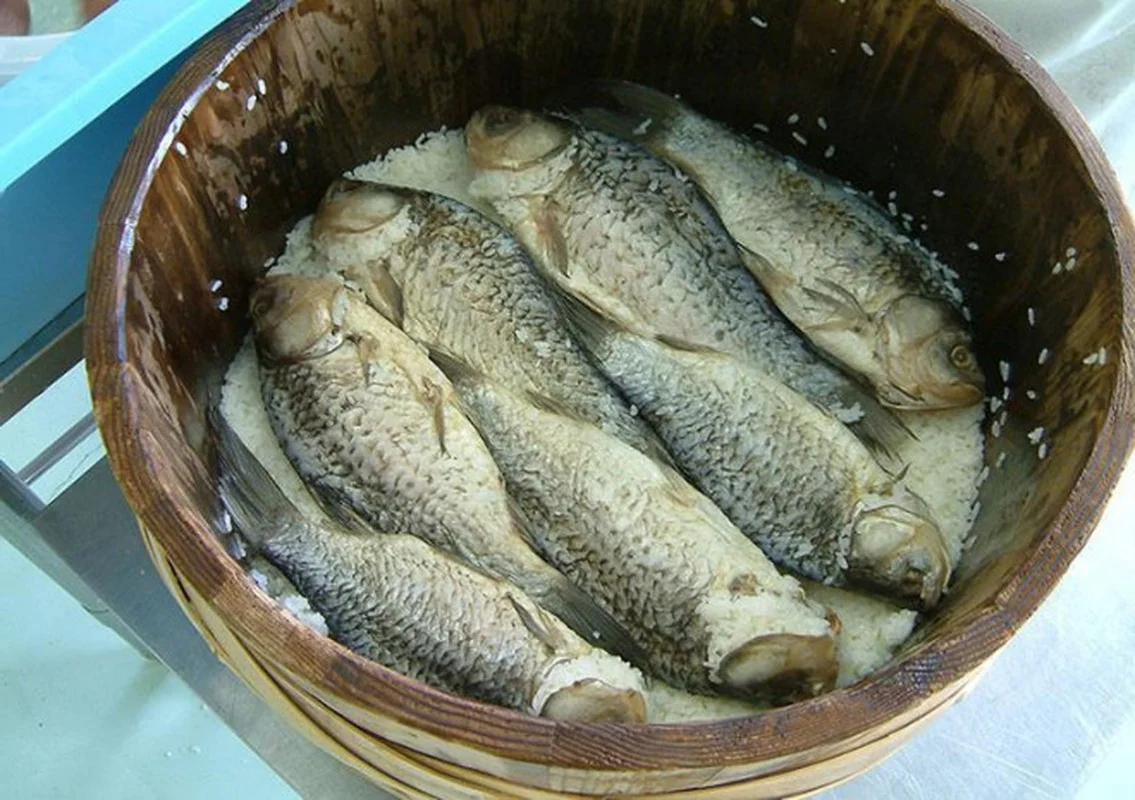
Funazushi: The Pungent Fermented Japanese Sushi That Intrigues Foodies
khoảng 2 tháng trước
00While modern sushi is celebrated worldwide for its fresh, delicate flavors, Japan is also home to an ancient, highly pungent style of sushi known as 'Funazushi.' This traditional delicacy, which dates back over a thousand years, offers a fascinating glimpse into the history of food preservation before the invention of refrigeration. For adventurous foodies and culinary historians, Funazushi is a bucket-list experience that challenges the senses and redefines the concept of sushi.
Originating in Shiga Prefecture near Lake Biwa, Funazushi is made using a specific type of wild freshwater carp called Nigorobuna. The preparation process is long, meticulous, and requires an immense amount of patience. First, the fish are scaled, gutted, and packed tightly with salt for several months. Afterward, they are thoroughly rinsed, stuffed with cooked rice, and left to ferment naturally in barrels for up to a year or even longer. This slow lactic acid fermentation process breaks down the fish, giving it a soft texture and an incredibly sharp, sour flavor accompanied by a powerful, cheese-like aroma.
To the uninitiated, the intense smell of Funazushi can be overwhelming, often compared to strong blue cheese or ammonia. However, for locals and connoisseurs, it is a prized delicacy enjoyed in thin slices, often paired with sake or served in a warm green tea broth (ochazuke). The complex, savory, and deeply umami taste profile is highly appreciated by those who love fermented foods.
Funazushi represents the origins of sushi, which was originally created as a method to preserve fish rather than a quick, fresh meal. Exploring this traditional dish allows culinary travelers to connect with Japan's rich gastronomic heritage, appreciating the deep patience and craftsmanship required to keep this ancient food tradition alive in the modern world.
#Funazushi, #FermentedSushi, #JapaneseCuisine, #ExoticFoods, #FoodHistory, #CulinaryAdventure
0 comments
Ads
Related Posts
Ads