Ads
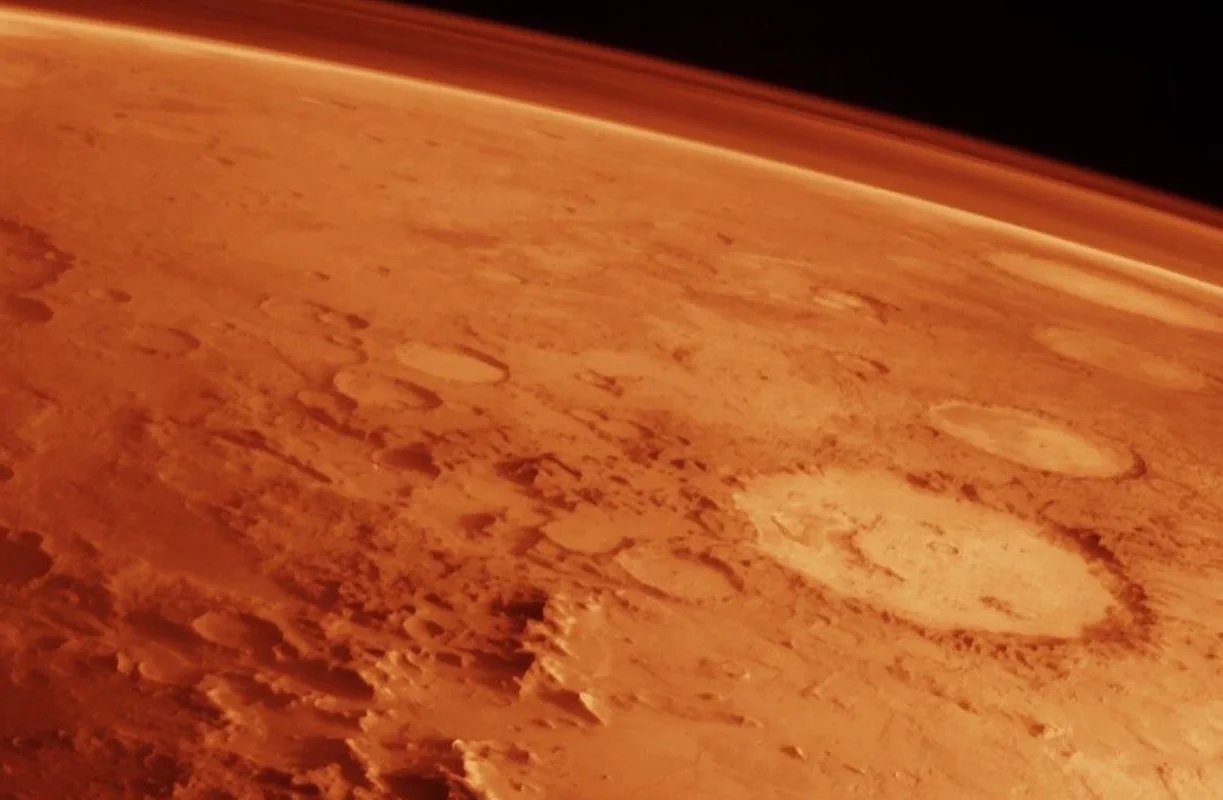
Why Is the Night Sky on Mars Eerily Blue? The Science of Martian Sunsets
khoảng 2 giờ trước
00For centuries, humanity has gazed at the Red Planet with wonder, but one of its most mesmerizing secrets was only revealed through modern space exploration: the Martian night sky and its stunning blue sunsets. Unlike Earth, where the sky is blue during the day and turns vibrant shades of red, orange, and pink at sunset, Mars experiences the exact opposite. During the day, the Martian sky has a butterscotch or rusty-orange hue, while the sunset and twilight sky glow with a cool, eerie blue. This atmospheric phenomenon is a fascinating display of physics and planetary science.
The secret behind Mars' blue sunsets lies in the composition of its thin atmosphere and the behavior of dust particles. The Martian atmosphere is highly saturated with fine dust particles, which are rich in iron oxide—the compound that gives the planet its signature red appearance. On Earth, our thick atmosphere contains small gas molecules that scatter blue light in all directions, a process known as Rayleigh scattering, which makes our sky look blue during the day. At sunset, when sunlight has to travel through more atmosphere, the blue light is scattered away, leaving the longer red and orange wavelengths to paint the horizon.
On Mars, the situation is reversed. The fine dust particles suspended in the thin Martian atmosphere are just the right size to scatter red light away while allowing blue light to penetrate more directly. When the Sun dips below the Martian horizon, its light passes through a thick layer of dust. This dust scatters the red wavelengths of light in wide angles, while the blue light is scattered in a narrow forward direction, concentrating a cool blue glow around the Sun and across the twilight sky.
Images captured by NASA’s rovers, including Curiosity and Perseverance, have provided scientists and space enthusiasts with breathtaking views of these extraterrestrial sunsets. These images do more than just captivate our imagination; they offer critical data about the size, distribution, and behavior of dust in the Martian atmosphere, helping scientists prepare for future manned missions to the Red Planet.
#MarsSunset, #MartianAtmosphere, #NASARover, #SpaceScience, #AstronomyLovers, #RedPlanet
0 comments
Ads
Related Posts
Ads