Ads
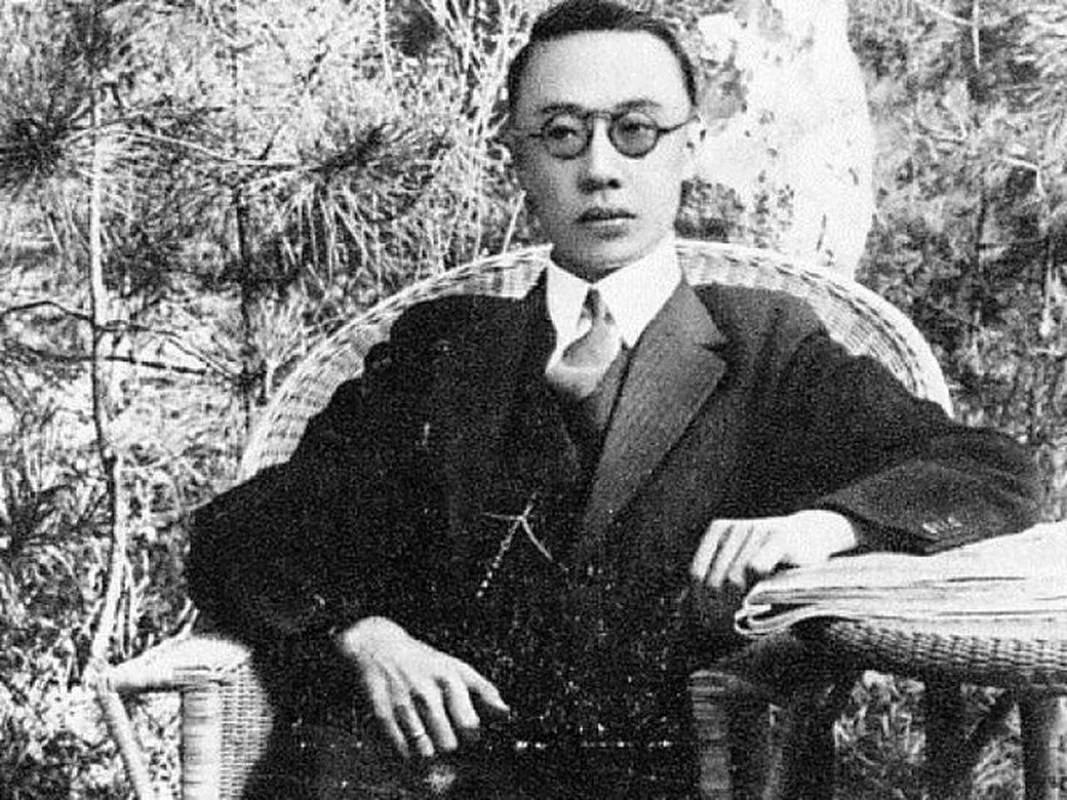
The Emotional History Behind the Three Times Emperor Puyi Cried
khoảng 2 tháng trước
00Aisin-Gioro Puyi, the last Emperor of China and the final ruler of the Qing Dynasty, lived one of the most turbulent and tragic lives in modern history. Ascending the throne as a mere toddler, his life was constantly manipulated by powerful political forces, transitions of power, and global conflicts. Throughout his dramatic journey from a divine ruler to a prisoner and finally a common citizen, historical records highlight three specific times Puyi shed tears—moments that encapsulate the profound tragedy of his existence.
The first time Puyi cried bitterly was during his forced abdication and the eventual loss of his imperial lifestyle. As a child, he was kept isolated inside the Forbidden City, treated as a god but stripped of normal childhood experiences. When the reality of the Xinhai Revolution stripped away his imperial authority, the young emperor faced a confusing and terrifying shift in his reality. The second instance of his tears occurred when he was expelled from the Forbidden City by warlord Feng Yuxiang. Being forced to leave his childhood home, the only world he had ever known, was a deeply traumatic event that marked the definitive end of his imperial sanctuary and pushed him into the hands of foreign opportunists.
His third and perhaps most profound moment of weeping occurred during his later years of captivity and eventual rehabilitation. After the defeat of Japan in World War II, Puyi was captured by Soviet forces and later transferred to a Chinese re-education camp. It was during this period of intense self-reflection, stripped of all royal delusions, that he wept out of genuine remorse for his past political actions and his role as a puppet ruler of Manchukuo. This photo gallery and historical retrospective explore these three emotional milestones, offering a deeply human look at a man who was both a victim of history and a symbol of a bygone imperial era.
#EmperorPuyi, #LastEmperorOfChina, #QingDynasty, #ChineseHistory, #ForbiddenCity, #HistoricalSecrets
0 comments
Ads
Related Posts
Ads