Ads
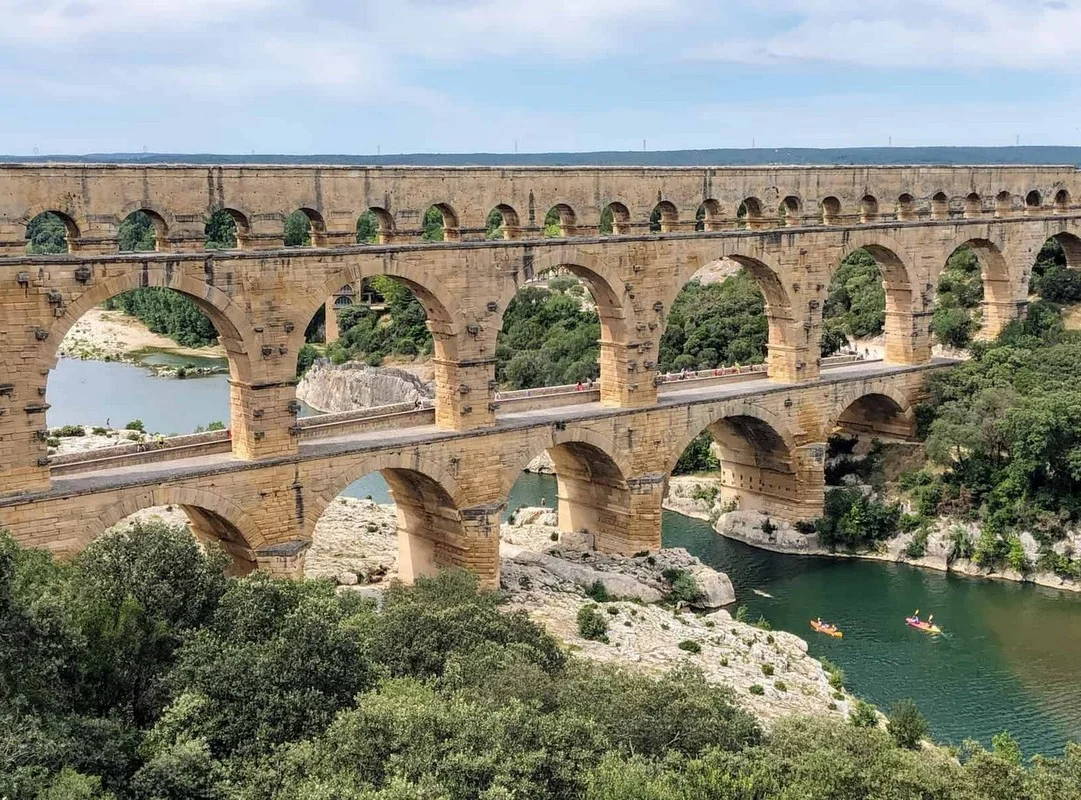
Ancient Roman Engineering: Marveling at the Spectacular Three-Tier Pont du Gard Aqueduct Bridge
2 tháng trước
00The ancient Romans were master builders, renowned for creating monumental structures that have withstood the test of time. Among their most impressive surviving architectural wonders is the spectacular Pont du Gard, a massive three-tier aqueduct bridge located in southern France. Built in the 1st century AD, this engineering marvel was designed to transport fresh water over a distance of 50 kilometers to the ancient city of Nemausus (modern-day Nîmes). What makes the Pont du Gard truly extraordinary is the precision of its construction. Built entirely without the use of mortar, the bridge relies on perfectly cut limestone blocks, gravity, and precise mathematical calculations to maintain its structural integrity. Standing at nearly 49 meters high, it is the highest of all elevated Roman aqueducts and one of the best-preserved. The three tiers of arches showcase the Romans' advanced understanding of physics, load distribution, and hydraulic engineering. Today, the Pont du Gard is designated as a UNESCO World Heritage site and attracts millions of visitors annually. It stands as a powerful symbol of human ingenuity and the enduring strength of classical architecture. Visitors can walk along the surrounding nature trails, explore the interactive museum, and marvel at how this ancient structure blends seamlessly with the scenic Gardon River valley. This detailed exploration of the Pont du Gard dives into the history, construction secrets, and cultural impact of one of the ancient world's greatest engineering achievements.
#RomanEngineering, #PontDuGard, #AncientArchitecture, #UNESCOWorldHeritage, #HistoryLovers, #TravelFrance
0 comments
Ads
Related Posts
Ads