Ads
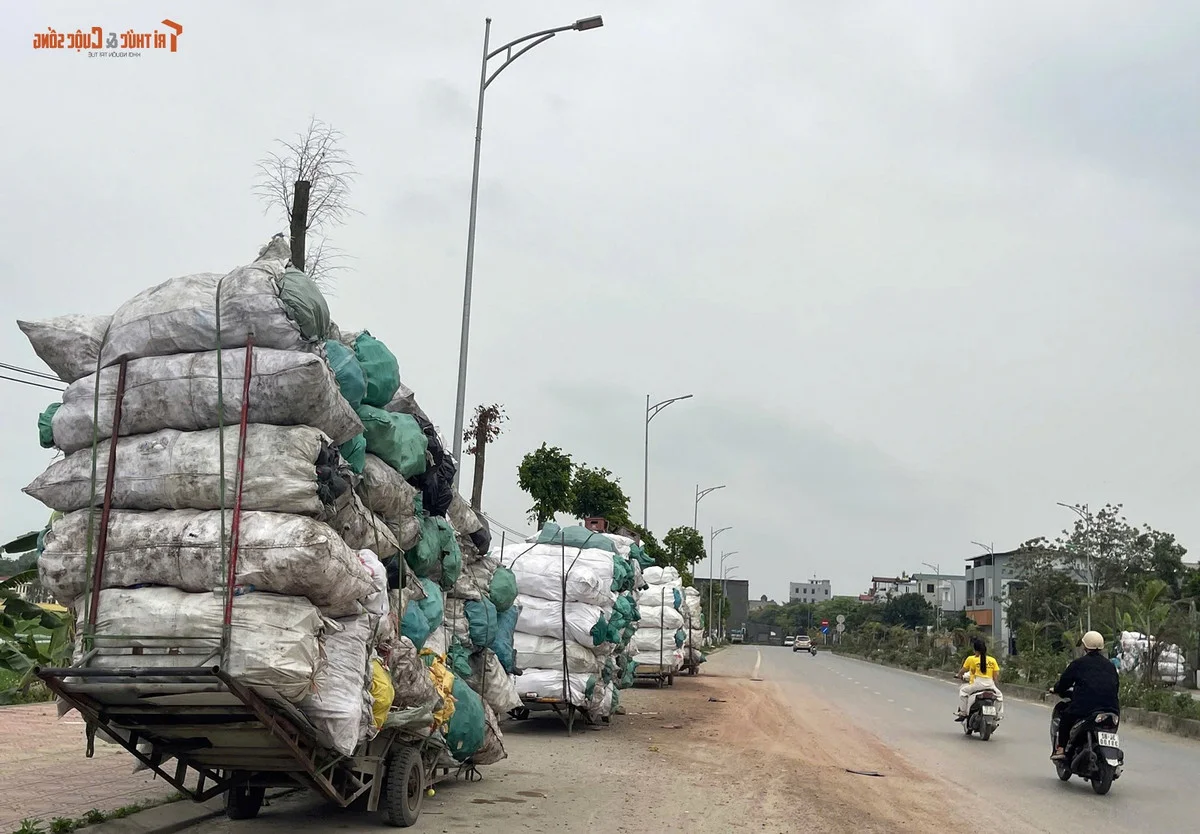
Severe Pollution in Hanoi Plastic Recycling Hub Raises Alarm
khoảng 1 tháng trước
00A close-up look into the largest plastic recycling hub in Hanoi has revealed a deeply concerning environmental crisis, raising urgent alarms among local residents and environmental advocates. While these recycling villages play an economically vital role in processing waste and supplying raw materials, the lack of proper infrastructure and regulatory oversight has turned them into major hotspots for air, soil, and water pollution.
Every day, tons of plastic waste from across the country are transported to these hubs, where they undergo washing, melting, and reforming processes. Unfortunately, the wastewater from these operations is often discharged directly into local canals and rivers without undergoing proper treatment, leading to severe contamination of local water sources. Furthermore, the burning of low-grade plastic waste releases toxic fumes and heavy smoke into the atmosphere, posing severe respiratory health risks to the workers and nearby communities who breathe this air daily.
The situation highlights the urgent need for a balance between economic livelihoods and environmental sustainability. Local authorities are facing growing pressure to enforce stricter environmental regulations, invest in centralized wastewater treatment facilities, and support local businesses in transitioning to cleaner, safer recycling technologies. Addressing the pollution in Hanoi's plastic recycling hubs is not only essential for protecting the local ecosystem but also for safeguarding the health and well-being of thousands of families living in the surrounding areas.
#HanoiPollution, #PlasticRecycling, #EnvironmentalCrisis, #GreenVietnam, #WasteManagement, #EcoAwareness
0 comments
Ads
Related Posts
Ads