Ads
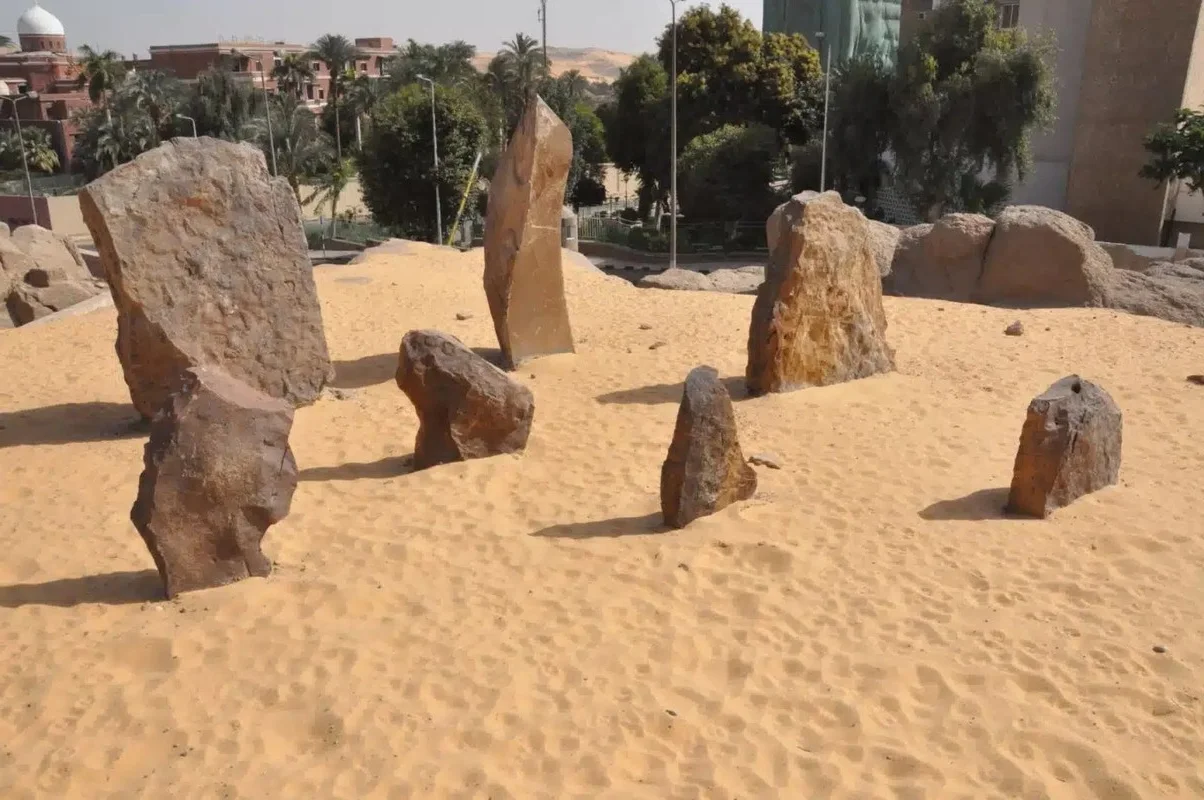
The Mystery of Prehistoric Stone Circles in the Egyptian Desert
khoảng 2 tháng trước
00When people think of Egyptian archaeology, the majestic pyramids of Giza and the gold-laden tombs of the Valley of the Kings immediately come to mind. However, deep within the harsh, wind-swept expanses of the Egyptian desert lies a much older, far more mysterious archaeological treasure: ancient stone circles. These megalithic alignments, most notably found at Nabta Playa in the Nubian Desert, predate Stonehenge by thousands of years and offer a fascinating glimpse into the minds of prehistoric humans.
These ancient stone circles are believed to be some of the oldest astronomical alignment devices in human history. Constructed by nomadic pastoralists over 7,000 years ago, the stones were meticulously arranged to track the summer solstice and the arrival of the annual monsoons, which were critical for survival in the rapidly desertifying Sahara. The precision of these alignments suggests that these early humans possessed a surprisingly sophisticated understanding of astronomy, geometry, and the cycles of the cosmos.
Archaeologists and historians continue to debate the exact religious and social functions of these stone circles. Were they sacred temples for celestial worship, practical seasonal calendars, or gathering places for ancient tribes? This gallery explores the haunting beauty of these desert megaliths, capturing the silent stones against the backdrop of the vast Egyptian sky. It serves as a powerful reminder that long before the pharaohs built their stone empires, ancient humans were already looking up at the stars, trying to decipher the secrets of the universe.
#AncientEgypt, #ArchaeologyMysteries, #NabtaPlaya, #StoneCircles, #PrehistoricAstronomy, #DesertDiscoveries
0 comments
Ads
Related Posts
Ads