Ads
Fatal Innovations: Tragic Inventions That Killed Their Creators
khoảng 2 tháng trước
00Throughout history, human progress has been driven by bold innovators willing to push the boundaries of science, engineering, and technology. However, the path of innovation is fraught with danger, and some of history’s most brilliant minds met a tragic end at the hands of their own creations. This fascinating gallery explores the stories of inventors whose groundbreaking designs proved fatal during their very first public tests or development phases.
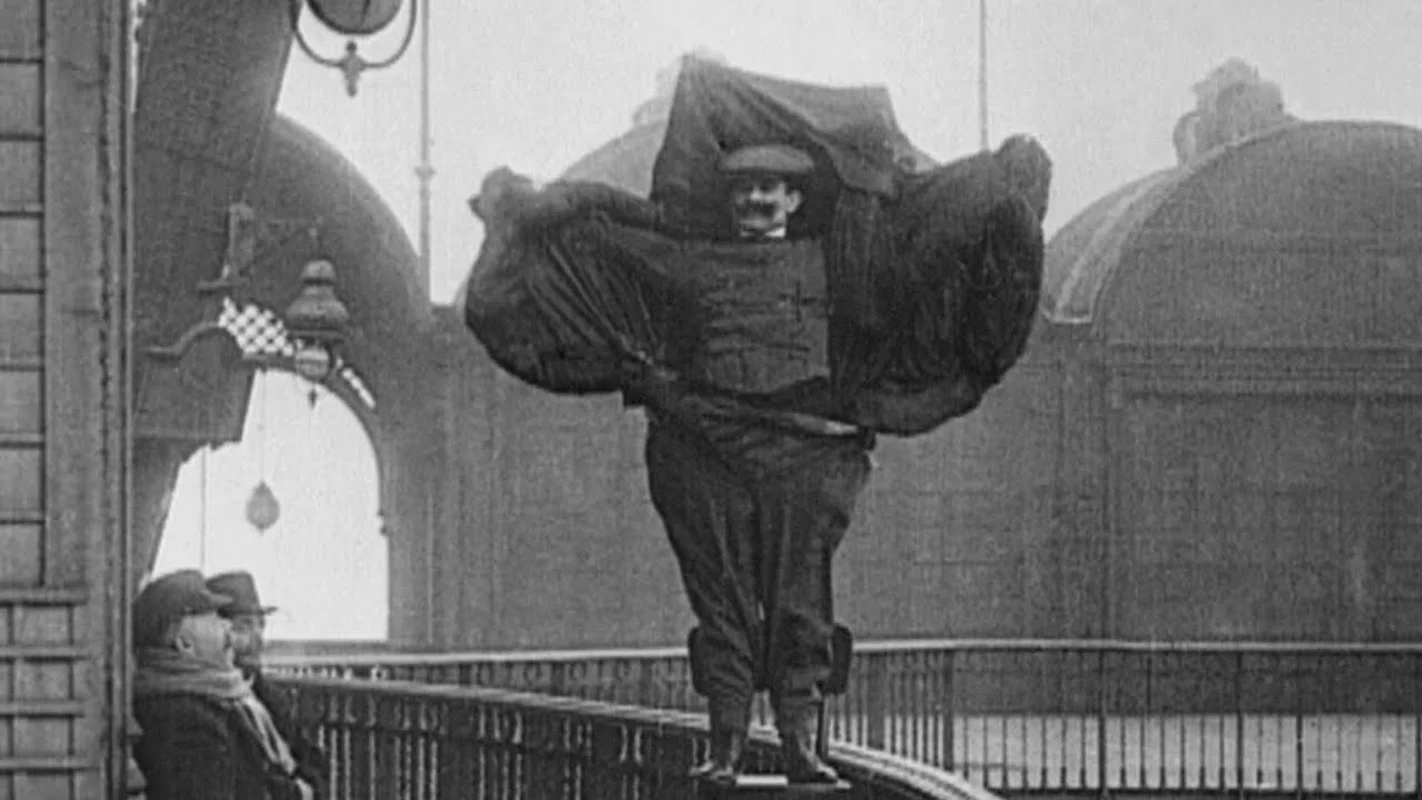
One of the most famous cases is that of Franz Reichelt, an Austrian-born French tailor who became obsessed with developing a wearable parachute suit for aviators. In 1912, confident in his design, Reichelt decided to test the suit himself by jumping from the first platform of the Eiffel Tower. Tragically, the parachute failed to deploy correctly, resulting in a fatal fall. His daring yet catastrophic attempt was captured on early motion picture film, serving as a solemn reminder of the high stakes of early aviation experimentation.
Another tragic figure in the history of innovation is Thomas Midgley Jr., an American chemist who made significant contributions to leaded gasoline and chlorofluorocarbons (CFCs). Later in life, after contracting polio and losing the use of his legs, Midgley invented an elaborate system of ropes and pulleys to help him get out of bed. In a cruel twist of fate, he became entangled in the ropes of his own device in 1944 and died of strangulation. His story highlights how even inventions designed to assist can harbor unforeseen dangers.
The maritime world also has its share of tragic geniuses. Horace Lawson Hunley, a confederate marine engineer, developed early hand-powered submarines. During a routine test of his submarine, the H.L. Hunley, in 1863, the vessel failed to resurface, trapping Hunley and his crew inside. Similarly, Marie Curie, though not killed instantly by a single mechanical failure, succumbed to aplastic anemia caused by her long-term exposure to the radioactive elements she discovered, literally giving her life for scientific advancement.
These stories of fatal innovations remind us of the immense bravery, sometimes bordering on obsession, that defined early inventors. Explore the gallery to learn more about these tragic pioneers and the legacy of their deadly creations.
#FatalInventions, #HistoryOfScience, #TragicInventors, #InnovationHistory, #ScientificPioneers, #HistoricTragedies
0 comments
Ads
Related Posts
Ads