Ads
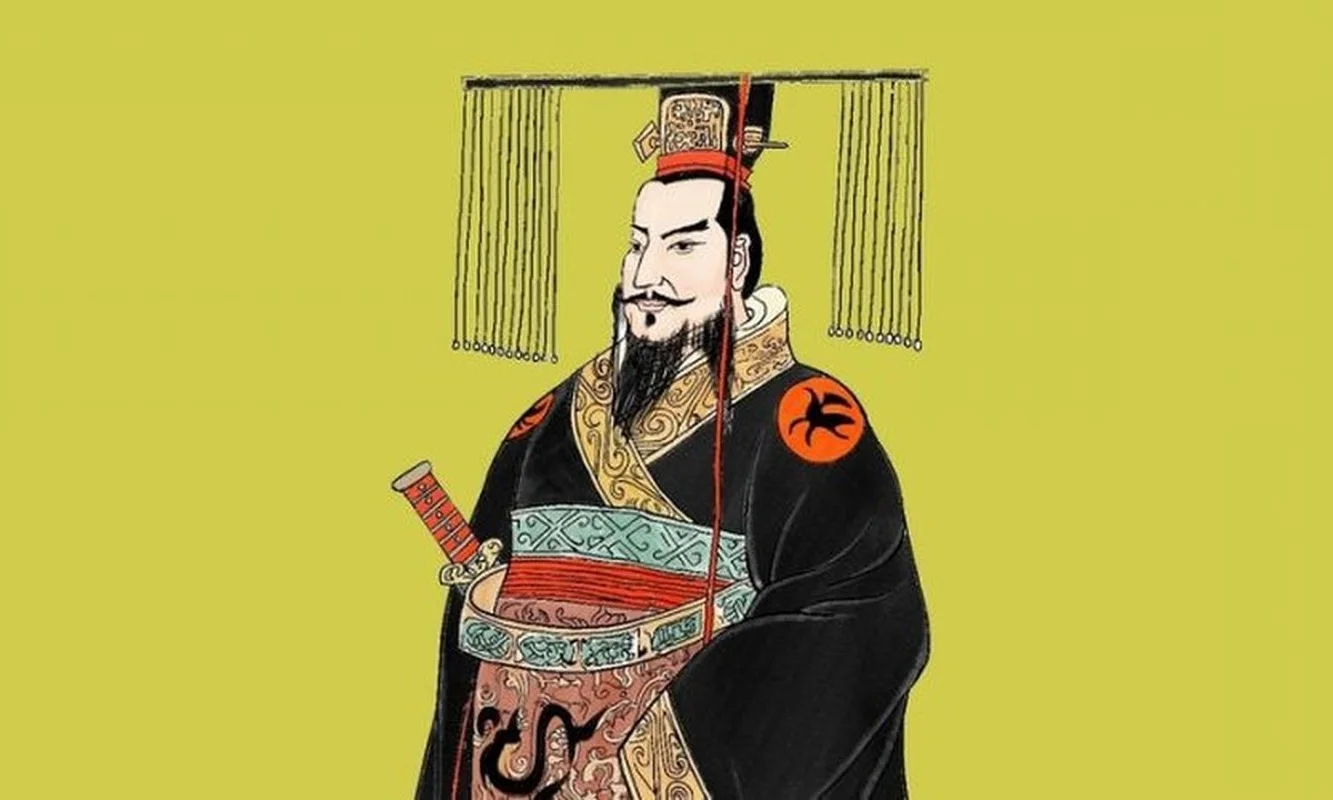
The Three Great Ambitions of Emperor Qin Shi Huang: Unification, Immortality, and a Monumental Legacy
khoảng 2 tháng trước
00Qin Shi Huang, the first emperor of a unified China, remains one of the most fascinating and controversial figures in world history. His reign, which began in 246 BC, was marked by monumental achievements and a ruthless pursuit of power. According to historians, the 'Tyrant of the Qin' was driven by three great desires that shaped the course of Chinese civilization: the unification of the Warring States, the construction of a grand eternal resting place, and the desperate search for the elixir of immortality.
His first and perhaps most significant ambition was to bring an end to the chaos of the Warring States period. When he ascended the throne of the Qin State at just 13 years old, China was divided into seven major competing powers. Through a series of brilliant military campaigns and strategic alliances, he systematically conquered the states of Han, Zhao, Wei, Chu, Yan, and Qi. By 221 BC, he had successfully unified the land, declaring himself Qin Shi Huangdi. This unification laid the groundwork for the modern Chinese state, standardizing weights, measures, and even the writing system.
His second obsession was his legacy after death. Almost as soon as he took power, he began the construction of his massive mausoleum in present-day Xi'an, Shaanxi Province. It took 38 years and over 700,000 laborers to complete this 'underground empire.' The tomb is famous for the Terracotta Army—thousands of life-sized clay soldiers, horses, and chariots designed to protect the emperor in the afterlife. The scale and detail of this necropolis reflect the immense wealth and power of the Qin Dynasty, as well as the emperor's belief in a literal continuation of his reign beyond the grave.
Finally, Qin Shi Huang was consumed by the fear of death and the desire for eternal life. He spent vast fortunes recruiting alchemists and sending expeditions to distant lands, such as the mythical Mount Penglai, in search of the elixir of immortality. Ironically, it is believed that his consumption of 'immortality' pills containing mercury may have contributed to his early death at the age of 49. Despite his failure to live forever, his impact on history is immortal. He remains a symbol of both the unifying strength and the extreme costs of absolute power in ancient China.
#QinShiHuang, #AncientChina, #TerracottaArmy, #ChineseHistory, #FirstEmperor, #ImmortalitySearch
0 comments
Ads
Related Posts
Ads