Ads
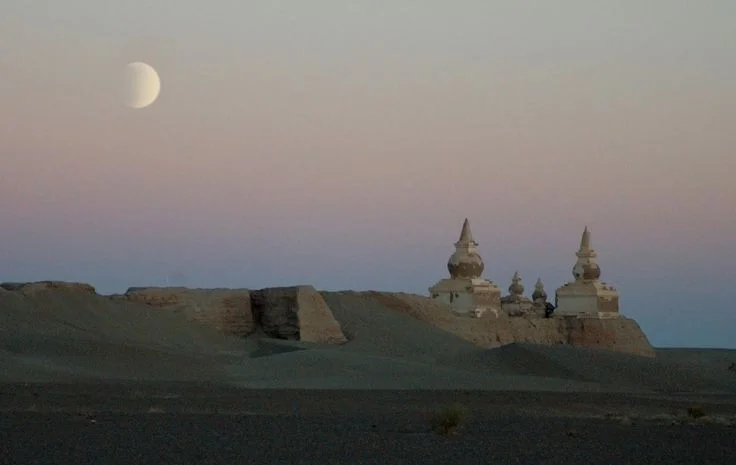
Khara-Khoto: The Enigmatic Ruins of the Silk Road's Black City
14 ngày trước
00Deep within the Gobi Desert lies the hauntingly beautiful ruins of Khara-Khoto, once a thriving hub on the legendary Silk Road. Known as the 'Black City,' Khara-Khoto (Heishui City) served as a vital commercial and military center for the Tangut Empire (Western Xia) before its eventual fall. Today, the site stands as a testament to the power of nature and the shifting sands of time. The remains of the city walls, which once protected a bustling population of merchants, soldiers, and scholars, now rise dramatically from the desert dunes. Khara-Khoto is famous not only for its architecture but also for the vast hoard of artifacts and manuscripts discovered there in the early 20th century. These documents, written in the Tangut script, provided historians with an unprecedented look into a civilization that had been largely forgotten by history. The city's demise is shrouded in legend, with stories of a final siege and a general who hid his treasures in the city's wells before its destruction by the Mongols. Beyond the myths, the site offers a stark look at how environmental changes can lead to the abandonment of even the most prosperous cities. The encroaching desert eventually reclaimed the water sources that sustained Khara-Khoto, turning a lush oasis into a dry ruin. For travelers and history buffs, a visit to Khara-Khoto is a journey back to the era of Marco Polo, who is said to have visited the city during its peak. The preservation of these ruins is a delicate task, as wind erosion and sand continue to threaten the structures. Khara-Khoto remains one of the most evocative sites on the Silk Road, a place where the echoes of ancient trade and lost empires can still be felt in the desert breeze.
#KharaKhoto, #SilkRoad, #AncientCities, #DesertRuins, #HistoryExploration, #TangutEmpire
Ads
0 comments
Related Posts
Ads