Ads
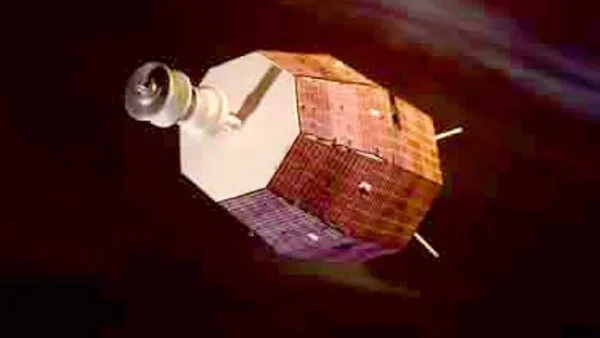
NASA's Ghost Satellite LES-1 Re-Emerges After Nearly 60 Years in Space
khoảng 2 tháng trước
00In a turn of events that sounds like something out of a science fiction novel, a long-lost NASA satellite has begun transmitting signals back to Earth after nearly six decades of silence. Known as the LES-1 (Lincoln Experimental Satellite 1), this 'ghost satellite' was originally launched in 1965 as part of a series of communications experiments. However, due to a failure in its circularizing orbit, the satellite never reached its intended path and was eventually abandoned as space junk in 1967. For over 50 years, LES-1 tumbled through the void of space, forgotten by all but a few dedicated astronomers and space historians. The surprise came when an amateur radio astronomer detected a rhythmic signal that was eventually traced back to this ancient piece of hardware. Scientists believe that as the satellite's batteries decayed and short-circuited, the solar panels were able to power the transmitter directly when exposed to sunlight, causing it to 'wake up' and start broadcasting once more. This phenomenon provides a unique opportunity for researchers to study how electronics survive the harsh environment of space over extremely long periods. The return of LES-1 serves as a haunting reminder of the early days of the space race and the enduring nature of human engineering. It also raises questions about the growing issue of orbital debris and how many other 'ghost' objects might still be operational in the silent reaches of our orbit. This accidental discovery has captured the imagination of the global scientific community, proving that in space, nothing is ever truly gone forever.
#NASANews, #GhostSatellite, #SpaceExploration, #LES1, #Astronomy, #SpaceMystery, #TechHistory
0 comments
Ads
Related Posts
Ads