Ads
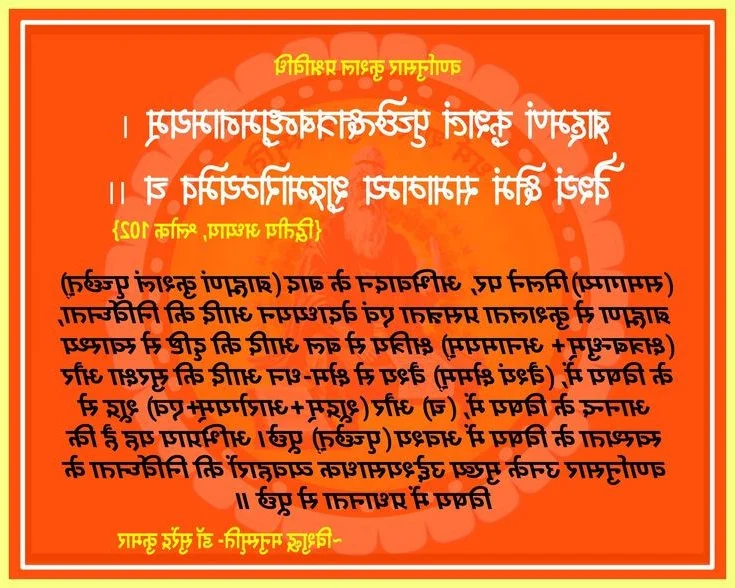
Decoding the Manusmriti: Understanding the World’s Oldest and Most Complex Hindu Legal Code
khoảng 2 tháng trước
00The Manusmriti, also known as the Laws of Manu, stands as one of the most significant and debated texts in the history of Indian philosophy and jurisprudence. Compiled thousands of years ago, it is considered the first and most authoritative 'Dharmashastra'—a record of the laws and social norms that governed ancient Hindu society. The text covers a vast range of topics, including civil and criminal law, the duties of different social classes, marriage customs, and the ethical conduct expected of individuals in various stages of life.
Understanding the Manusmriti requires a deep dive into the historical and cultural context of ancient India. It was designed to provide a framework for a stable and harmonious society, emphasizing the concept of 'Dharma' or righteous duty. While modern perspectives often critique some of its social hierarchies, historians value the text for the window it provides into the administrative and legal sophistication of the time. It outlines complex systems of taxation, property rights, and the administration of justice, showing that ancient civilizations had highly developed notions of governance.
For scholars of world history and religion, the Manusmriti is more than just a legal code; it is a philosophical treatise on the nature of human existence and social order. Its influence can be seen in the development of later legal systems throughout South and Southeast Asia. By studying this ancient text, we gain insights into how humanity has struggled with questions of justice, morality, and social structure for millennia. As we continue to decode these ancient laws, we find a rich tapestry of thought that continues to spark discussion and analysis in the modern world, highlighting the enduring power of historical documents to shape our understanding of the present.
#Manusmriti, #HinduLaw, #AncientHistory, #IndianPhilosophy, #LegalHistory, #Dharmashastra
0 comments
Ads
Related Posts
Ads