Ads
The Lifeless Island of Gems: Discovering Zabargad Island in the Red Sea
khoảng 2 tháng trước
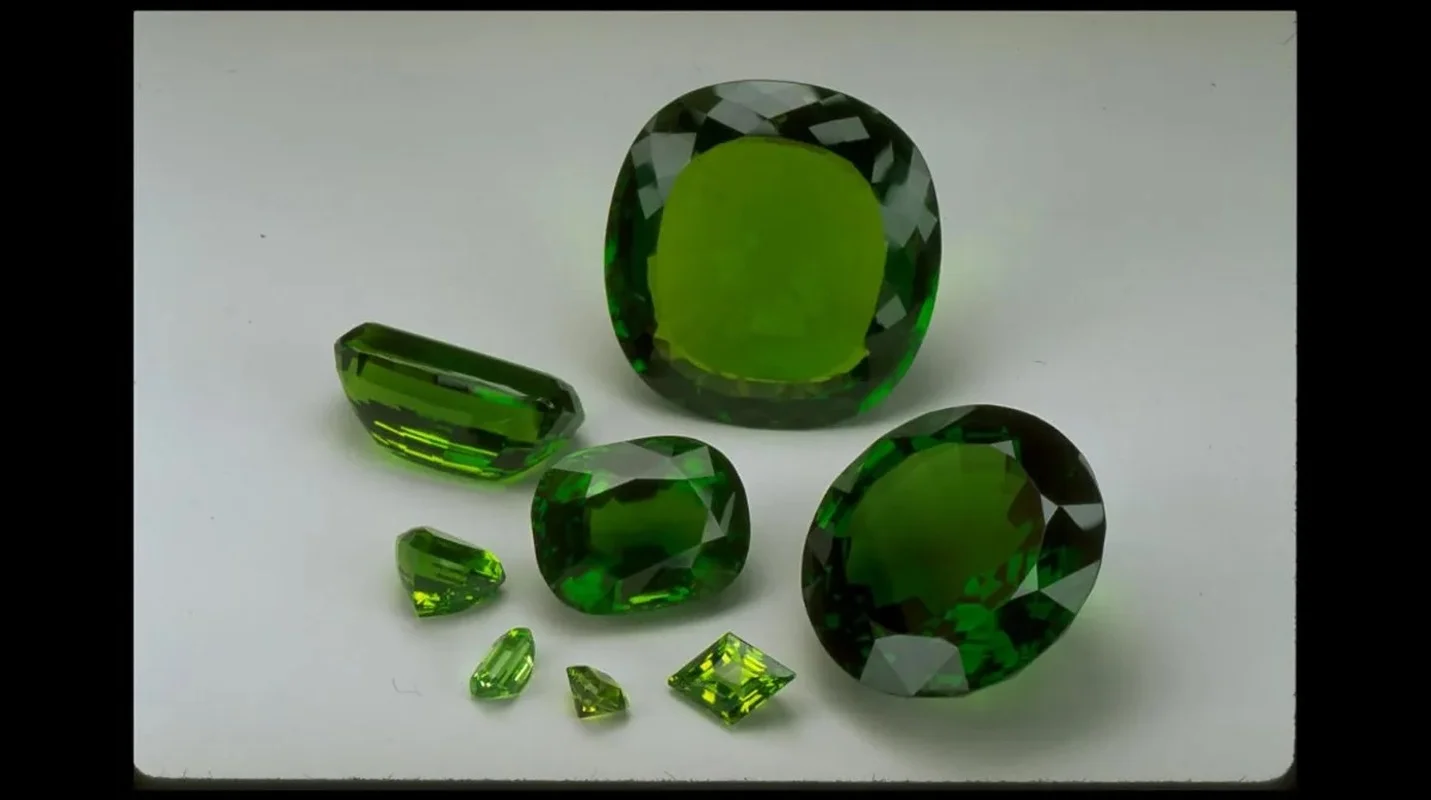
00Nestled in the deep blue waters of the Red Sea lies Zabargad Island, a geological marvel that is as hostile to life as it is rich in precious treasures. Also known historically as St. John's Island, this remote landmass is almost entirely devoid of fresh water and vegetation, making it virtually uninhabitable for terrestrial life. Yet, despite its barren and desolate appearance, Zabargad holds a legendary status in geological history as one of the world's oldest and most significant sources of peridot, a vibrant green gemstone prized by ancient civilizations.
The history of Zabargad Island dates back thousands of years to the era of the Ancient Egyptians, who mined the island's rich deposits of olivine (the mineral group to which peridot belongs). Miners endured harsh, arid conditions to extract these glowing green gems, which were often associated with light and royalty. Geologists are fascinated by the island because its unique tectonic positioning has pushed mantle rocks up to the Earth's surface, creating a rare natural laboratory for studying the deep crustal processes of our planet.
Today, Zabargad Island remains a protected area, attracting scientists, geologists, and adventurous scuba divers. While the land remains quiet and lifeless under the scorching sun, the surrounding coral reefs are teeming with marine biodiversity, offering a stark contrast to the island's dry terrain. The legacy of Zabargad as the 'Island of Gems' continues to captivate those who appreciate natural history, ancient mining lore, and the mysterious geological wonders hidden in the remote corners of our world.
#ZabargadIsland, #RedSeaGems, #PeridotMining, #GeologicalWonders, #LostIslands, #AncientHistory
0 comments
Ads
Related Posts
Ads