Ads
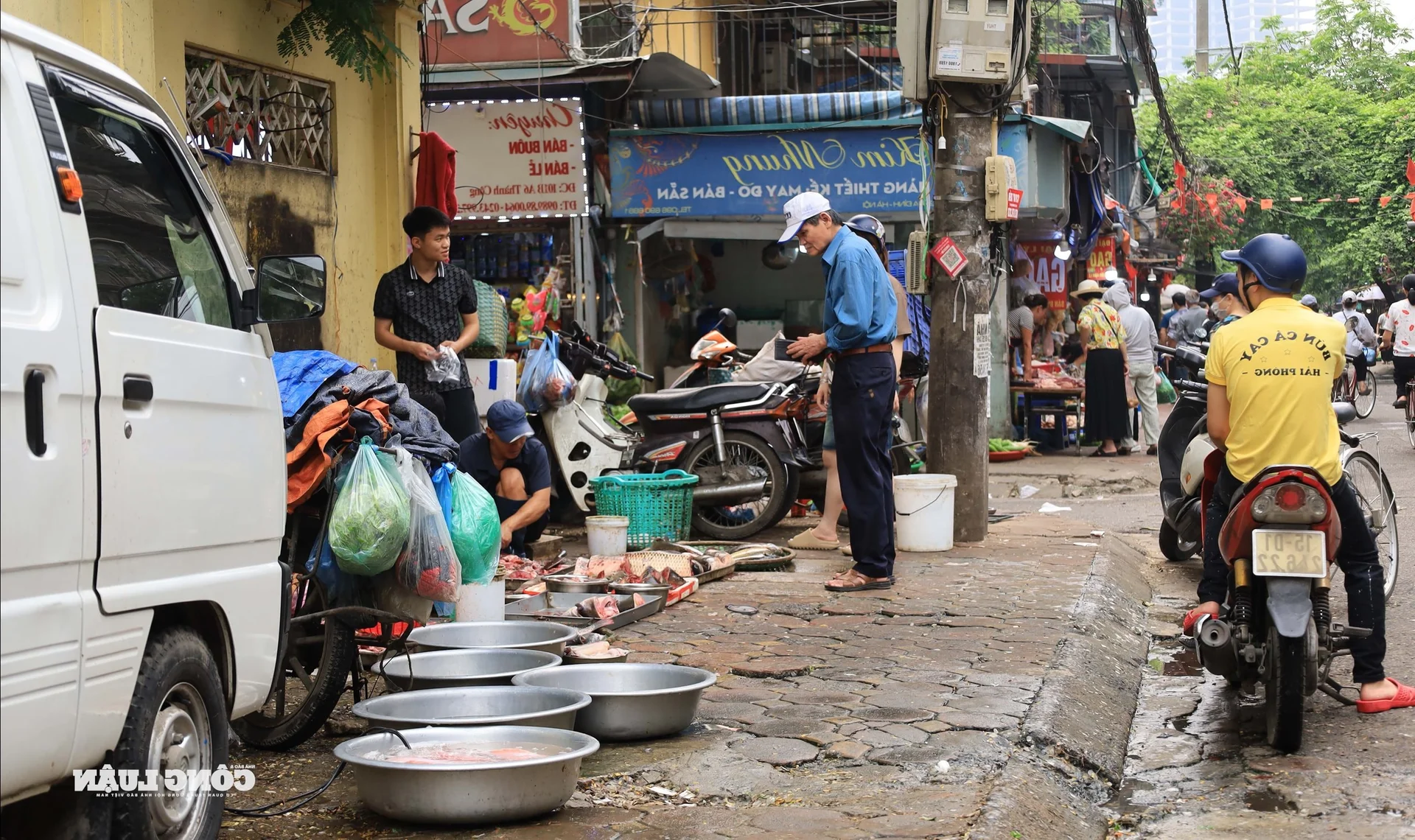
Challenges in Managing Spontaneous Markets and Street Vendors in Vietnam Urban Areas
khoảng 2 tháng trước
00Managing the growth of spontaneous markets, often referred to locally as 'chợ cóc,' remains a significant challenge for urban planners in Vietnam. These informal trading hubs frequently emerge in residential areas, on sidewalks, and near industrial zones to meet the immediate needs of local workers and residents. While they offer convenience and affordable prices, they often lead to traffic congestion, environmental sanitation issues, and concerns regarding food safety. Authorities are working hard to clear these points and transition sellers into regulated market spaces, but the process is fraught with socio-economic hurdles. Many vendors rely on these small-scale operations for their primary income, making strict enforcement difficult without providing viable alternatives. Urban management teams are now focusing on a balance between maintaining order and supporting the livelihoods of small traders. This involves upgrading official market infrastructures and creating designated zones where street commerce can occur without disrupting public transport or hygiene standards. The ongoing struggle reflects the broader transition of Vietnam's urban landscape as it seeks to modernize while preserving the traditional street-level economic activities that have defined its cities for decades. For residents, the convenience of 'chợ cóc' is hard to replace, but the long-term benefits of organized retail environments are essential for sustainable city development. As cities continue to expand, finding a middle ground that respects both the law and the economic realities of the people remains the top priority for local government bodies.
#UrbanManagement, #VietnamMarkets, #StreetVendors, #CityPlanning, #LocalEconomy, #SustainableDevelopment
0 comments
Ads
Related Posts
Ads