Ads
E10 Biofuel Pocket Guide: Essential Tips for Modern Vehicle Owners
khoảng 2 tháng trước
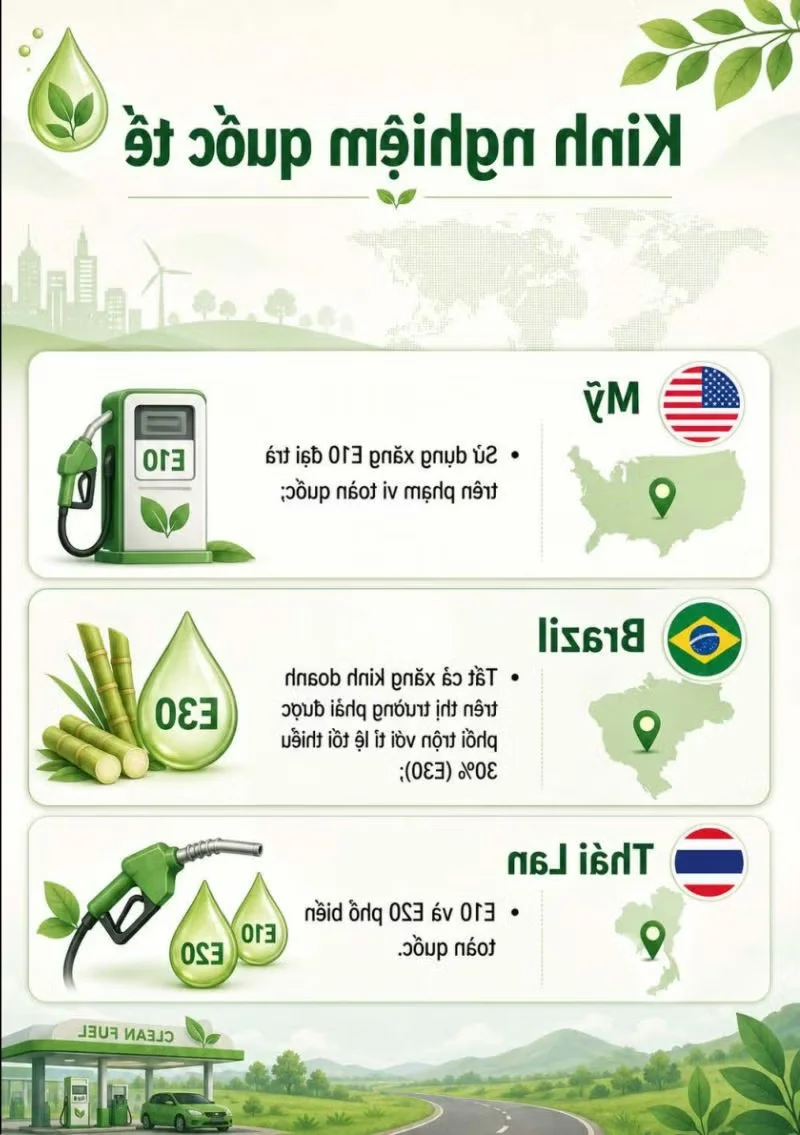
00As the world transitions toward sustainable energy, E10 biofuel has become a standard fuel option at gas stations across Europe, the US, and Asia. Composed of 90% regular unleaded petrol and 10% renewable ethanol, E10 is designed to reduce greenhouse gas emissions and combat climate change. However, many drivers still have questions about how this bio-ethanol blend affects their vehicles. This comprehensive pocket guide provides essential tips and knowledge to help you navigate the transition to E10 biofuel smoothly and safely.
The primary benefit of E10 biofuel is its positive environmental impact. By incorporating plant-based ethanol, typically derived from crops like corn or sugarcane, E10 reduces carbon dioxide emissions compared to conventional fossil fuels. For environmentally conscious drivers, choosing E10 is an easy, everyday way to lower their carbon footprint. Most modern vehicles manufactured after 2011 are fully compatible with E10, meaning you can fill up your tank without worrying about engine damage.
Despite its benefits, vehicle compatibility is a crucial factor to consider. While almost all modern cars, motorcycles, and light commercial vehicles run perfectly on E10, older classic cars, some early 2000s models, and specific small garden machinery may not be compatible. Ethanol is a solvent that can degrade certain rubber seals, plastics, and metals found in older fuel systems. To avoid potential damage, always check your vehicle's manual or use online compatibility checkers before switching to E10.
If you own a vehicle that is not compatible with E10, or if you leave your car idle for long periods, it is wise to opt for premium super unleaded petrol, which typically contains lower ethanol levels (E5). Ethanol has hygroscopic properties, meaning it absorbs moisture from the air. If a vehicle sits unused for months with E10 in the tank, water condensation can settle at the bottom, potentially leading to fuel line corrosion or starting issues. For daily drivers, however, this is rarely a concern as the fuel is consumed quickly.
In conclusion, E10 biofuel is a safe, efficient, and eco-friendly choice for the vast majority of drivers on the road today. By understanding your vehicle's compatibility and practicing basic maintenance, you can enjoy the environmental benefits of green fuel while keeping your engine running optimally.
#E10Fuel, #BiofuelGuide, #EcoFriendlyDriving, #GreenEnergy, #CarMaintenance, #SustainableTravel
0 comments
Ads
Related Posts
Ads