Ads
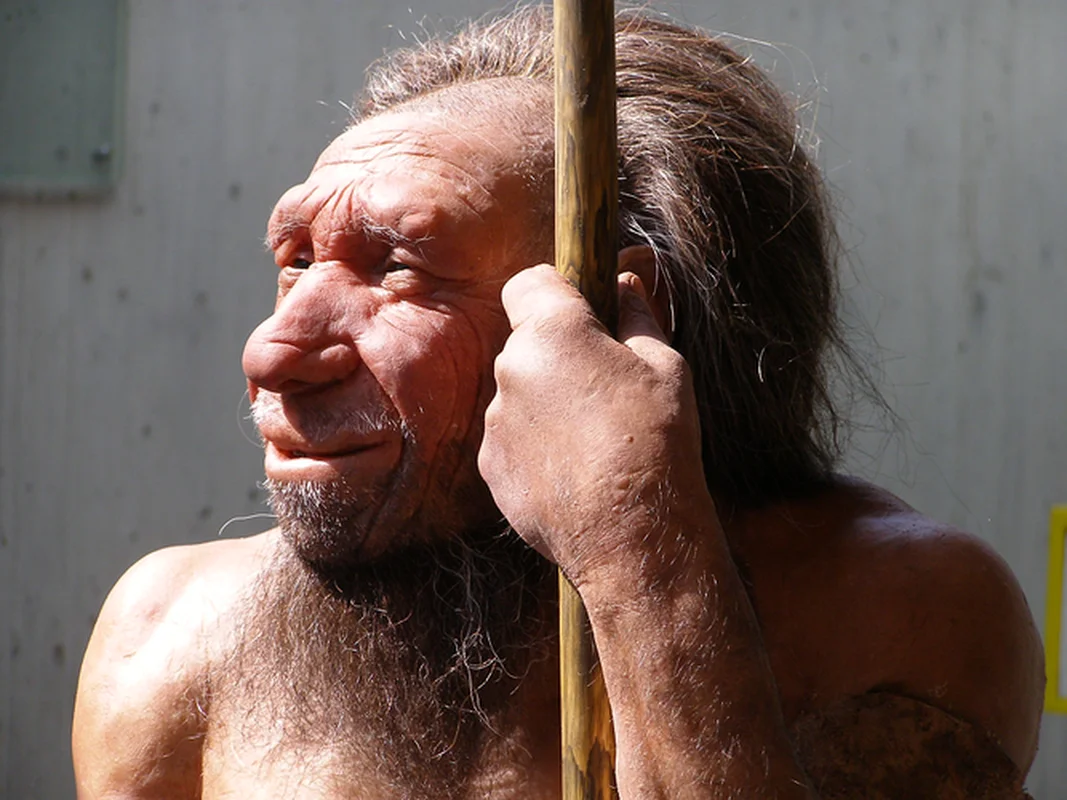
Did Neanderthals Speak Before Modern Humans? Rewriting the History of Language
3 ngày trước
00For decades, the prevailing scientific consensus asserted that complex speech and language were unique traits belonging solely to modern humans (Homo sapiens). However, groundbreaking archaeological and genetic discoveries are completely rewriting the history of human evolution. New evidence strongly suggests that Neanderthals, our ancient cousins who lived in Eurasia until about 40,000 years ago, possessed the physical and cognitive capabilities to speak and communicate in ways remarkably similar to us.
This shift in perspective began with the discovery of the Neanderthal hyoid bone, a delicate structure in the throat that supports the tongue and is essential for speech. Anatomical reconstructions and 3D modeling of Neanderthal ear structures have revealed that their hearing was finely tuned to the frequency of human speech, indicating they were built to listen to and produce complex vocalizations. Furthermore, genetic research has shown that Neanderthals shared the FOXP2 gene with modern humans—a crucial gene closely linked to language development and motor control required for speech.
These findings challenge the outdated stereotype of Neanderthals as primitive, grunting cavemen. Instead, they paint a picture of a highly intelligent, socially complex species capable of symbolic thought, art, and structured communication. If Neanderthals were speaking long before Homo sapiens migrated out of Africa, it implies that the roots of human language go back much further in our evolutionary tree than previously imagined. This exciting discovery forces us to reconsider what truly makes modern humans unique and how we view our deep ancestral past.
#Neanderthals, #HumanEvolution, #Anthropology, #AncientHistory, #LanguageOrigin, #ScientificDiscovery
0 comments
Ads
Related Posts
Ads