Ads
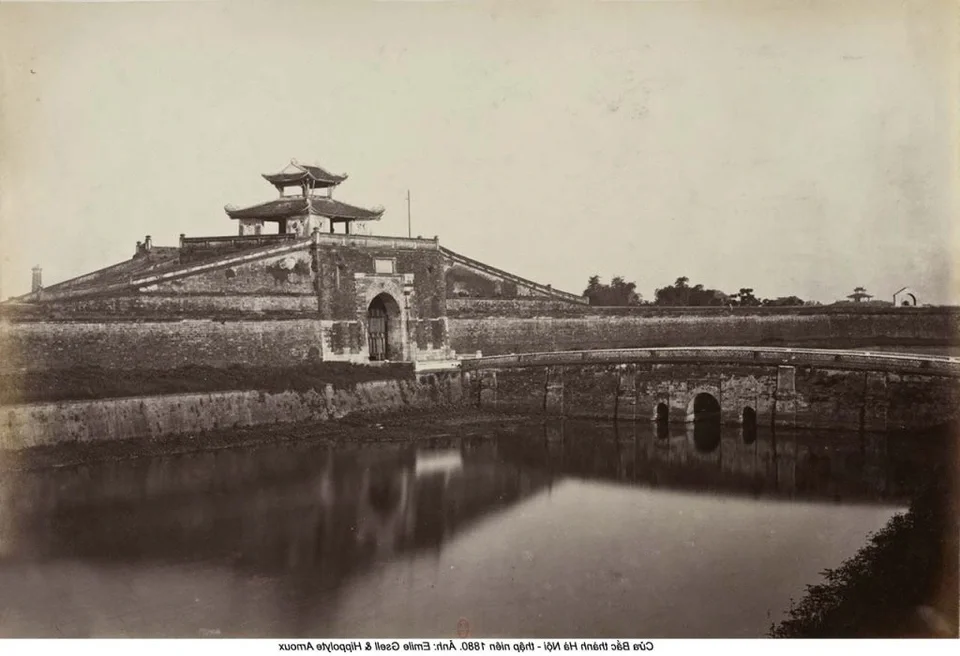
The Historic Significance of Mysterious Dents on Hanoi's Ancient Citadel Wall
khoảng 2 tháng trước
00Standing as a silent witness to the turbulent history of Vietnam’s capital, the North Gate (Cửa Bắc) of the Imperial Citadel of Thăng Long holds secrets etched into its very stone. Visitors often notice deep, mysterious dents on the thick brick walls, marks that have survived for over three centuries. These are not merely signs of age or erosion; they are the scars of the French naval bombardments during the invasions of 1873 and 1882. Each dent tells a story of resistance and the sheer force of modern weaponry against ancient fortifications.
The North Gate is one of the few remaining structures of the original Hanoi Citadel built during the Nguyễn Dynasty. When the French forces, led by Francis Garnier and later Henri Rivière, launched their attacks, the citadel became the primary target. The heavy artillery fire left permanent craters in the massive walls, specifically the wounds from the 1882 assault where Governor Hoàng Diệu valiantly defended the city. Today, these marks are preserved as historical evidence, reminding younger generations and international tourists of the resilience of the Vietnamese people.
Exploring the Hanoi Citadel offers a profound look into the architectural ingenuity of the past, combined with the tragic beauty of its survival. The dents serve as a physical bridge between the feudal era and the colonial period, making the North Gate a crucial stop for history buffs. Preservation efforts ensure that these 'mysterious' marks remain visible, allowing the stones to speak of the courage displayed centuries ago. For those visiting Hanoi, understanding the meaning behind these indentations transforms a simple walk by the wall into a deep dive into the soul of a city that refused to be silenced by the echoes of cannons.
#HanoiCitadel, #VietnamHistory, #CuaBacGate, #HanoiTravel, #AncientFortress, #VietnameseHeritage
0 comments
Ads
Related Posts
Ads