Ads
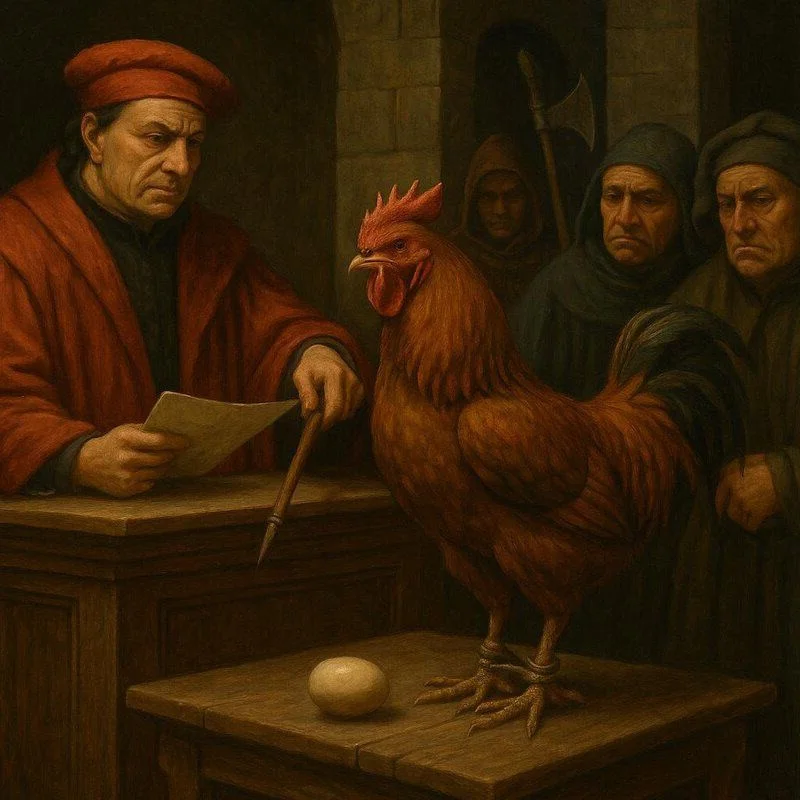
Weird History: The Bizarre World of Medieval Animal Trials
3 tháng trước
00History is filled with strange events, but few are as baffling as the animal trials of the Middle Ages. Between the 13th and 18th centuries, it was not uncommon for animals—ranging from pigs and cows to rats and even insects—to be brought before a court of law. These weren't just informal gatherings; they were full legal proceedings with judges, lawyers, and witnesses. Animals were accused of various crimes, including theft, property damage, and even murder. One of the most famous cases involved a pig in France that was tried and executed for attacking a child.
These trials reflect the complex worldview of the medieval period, where the line between the human and animal kingdoms was often blurred by religious and legal philosophy. The Church believed that all creatures were subject to God's law, and therefore, if an animal caused harm, it had to be held accountable to maintain the moral order of society. Interestingly, the 'defendants' were often provided with defense counsel, who would argue that the animals were acting on instinct or that they hadn't been properly summoned to court. While it sounds absurd today, these trials were taken very seriously and provide a fascinating glimpse into the psychological and social structures of the time. They highlight how humans have always sought to impose order on the chaos of nature through the lens of justice. Exploring these 'bí ẩn phiên tòa xử động vật' (mysterious animal trials) allows us to understand the evolution of our legal systems and the ways in which our ancestors perceived their relationship with the living world around them. It is a quirky, yet profound chapter of human history that continues to intrigue historians and legal scholars alike.
#MedievalHistory, #WeirdHistory, #AnimalTrials, #HistoricalMysteries, #LegalHistory, #MiddleAges
0 comments
Ads
Related Posts
Ads