Ads
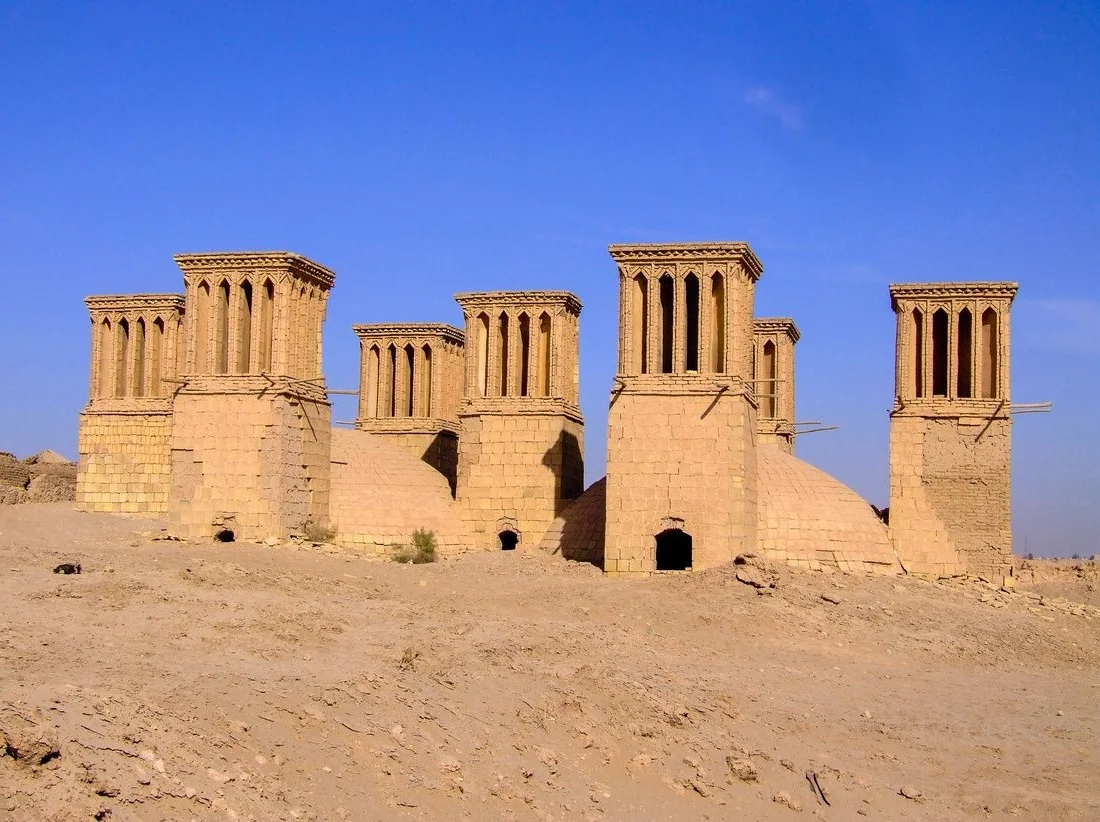
Ancient Cooling Technology: How Our Ancestors Beat the Heat Without Electricity
2 tháng trước
00Long before the invention of modern air conditioning, ancient civilizations developed incredibly sophisticated methods to stay cool in some of the harshest climates on Earth. From the wind towers of ancient Persia to the stepwells of India and the thick-walled adobe structures of the American Southwest, our ancestors utilized the laws of physics and natural materials to create comfortable living environments. These 'low-tech' solutions were often more sustainable and effective than many modern methods, relying on principles like evaporative cooling, thermal mass, and passive ventilation. In the Middle East, 'Badgirs' or wind catchers were designed to funnel even the slightest breeze down into homes, often passing over underground water channels to further lower the temperature. In ancient Rome, wealthy citizens used aqueducts to circulate cold water through the walls of their villas. Understanding these ancient technologies is more relevant today than ever, as we look for sustainable ways to combat rising global temperatures and reduce our reliance on energy-intensive HVAC systems. This post takes a deep dive into the engineering brilliance of the past, showcasing how ancient architects worked in harmony with nature rather than against it. By revisiting these historic techniques, modern designers can find inspiration for eco-friendly buildings that remain cool and comfortable without a heavy carbon footprint. It is a testament to human ingenuity and the timeless quest for comfort in a changing climate.
#AncientTech, #NaturalCooling, #SustainableDesign, #HistoricArchitecture, #EcoFriendly, #AncientEngineering
0 comments
Ads
Related Posts
Ads