Ads
The Mystery of Jesus’ True Appearance: Historical Clues and Artistic Interpretations
khoảng 2 tháng trước
00Jesus is arguably the most depicted figure in Western art, yet his true physical appearance remains a subject of intense debate among historians and theologians. Across different regions, representations vary wildly: in the West, he is often portrayed with fair skin, light-colored eyes, and long hair, while other cultures depict him with features resembling their own populations.
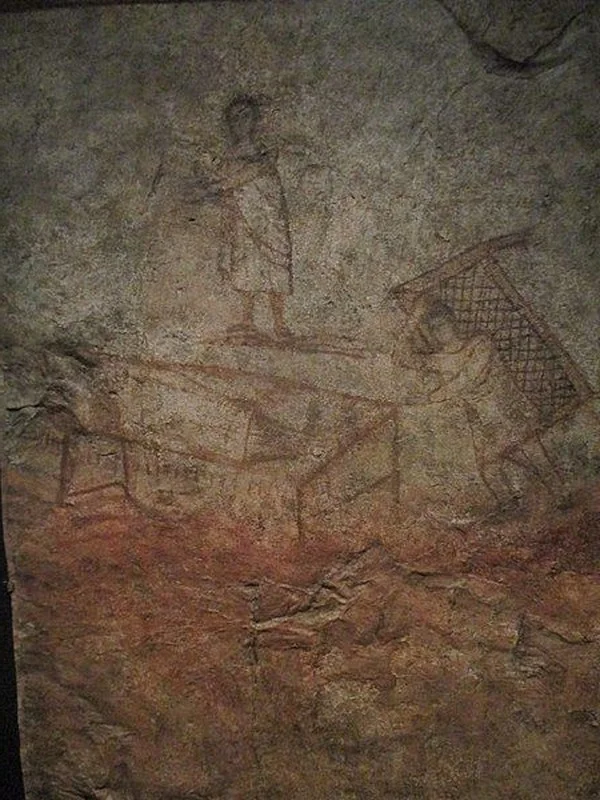
Historical research has provided several clues. One of the earliest known depictions, found on the walls of the Dura Europos church dating back to 235 AD, shows a young, beardless Jesus with short, curly hair, dressed in a simple tunic. By the 4th century, art began to favor the iconic image of a bearded, long-haired adult. Later, the 5th-century 'The Good Shepherd' mosaic depicted him with Roman-like features, complete with a halo.
In 2017, historian Ralph Ellis sparked controversy by suggesting that an ancient copper coin from the 1st century might hold the only authentic image of Jesus. Ellis argued that the figure on the coin, previously identified as King Manu of Edessa, was actually Jesus himself, presenting a bearded man with an average build. Furthermore, textual clues from the Apostle Matthew, describing the events at Gethsemane, suggest Jesus possessed the typical physical traits of a Semite from that period. Despite these findings, the lack of contemporary descriptions means we may never know exactly what Jesus looked like, leaving his image to remain a reflection of the culture and faith of those who depict him.
#JesusChrist, #HistoryMystery, #BiblicalHistory, #ReligiousArt, #HistoricalResearch, #Archaeology
0 comments
Ads
Related Posts
Ads