Ads
Why Closed Houses Feel Stuffy and How to Design for Better Airflow
khoảng 2 tháng trước
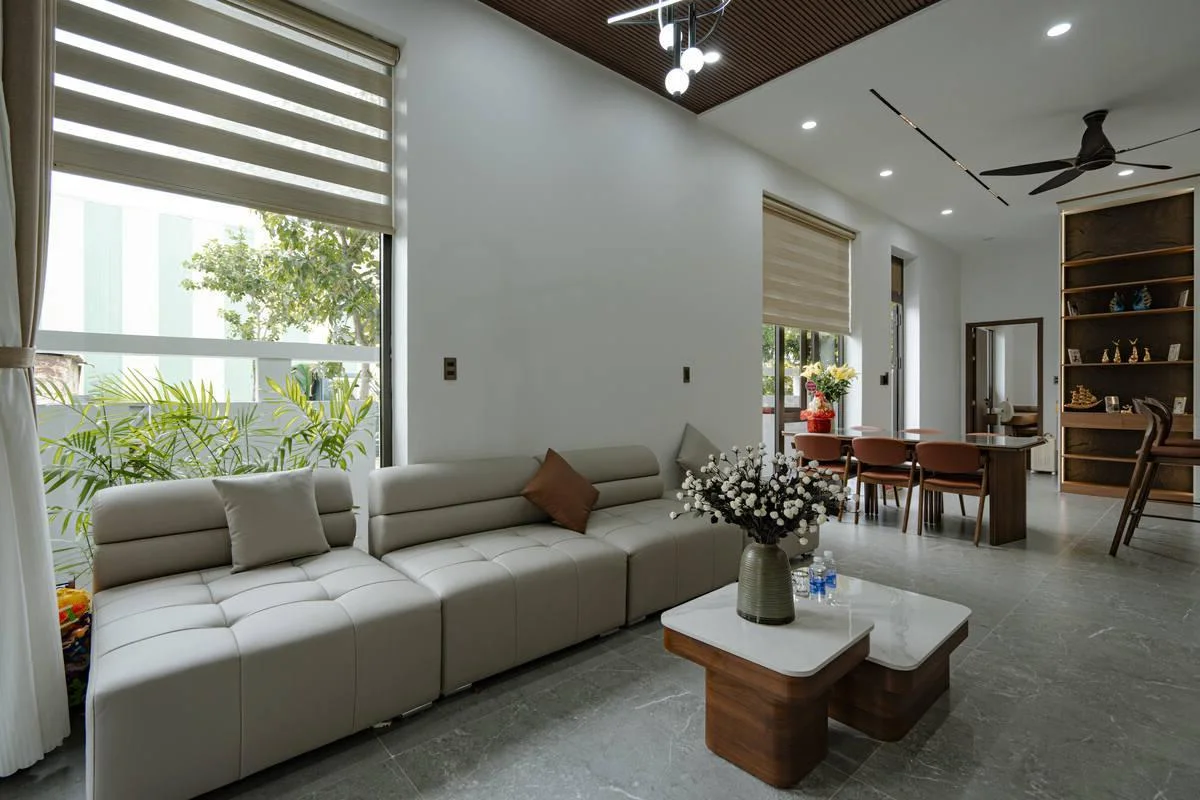
00Many homeowners believe that keeping a house tightly sealed is the best way to maintain temperature and security, but this often leads to a 'stuffy' and humid environment. Understanding the science of home ventilation is crucial for creating a living space that is both comfortable and healthy. When a house lacks proper airflow, moisture from cooking, bathing, and even breathing becomes trapped, leading to high humidity levels. This not only makes the air feel heavy and unpleasant but also creates a breeding ground for mold and dust mites, which can trigger allergies and respiratory issues. The key to a fresh home lies in the architectural design—specifically the implementation of cross-ventilation and the strategic placement of windows and vents. Modern sustainable architecture emphasizes 'breathing' walls and the use of atriums or skylights to encourage natural air circulation. By understanding how hot air rises and how pressure differences can move air through a building, designers can create homes that stay cool in the summer and dry in the winter without over-relying on expensive HVAC systems. This guide explores the common mistakes in residential design that lead to poor air quality and offers practical solutions for retrofitting older homes or planning new ones. From the orientation of the building to the choice of materials, every detail matters in the quest for a breezy, light-filled sanctuary. Learn how to transform a stagnant indoor climate into a refreshing environment that enhances your overall well-being.
#HomeDesign, #ArchitectureTips, #IndoorAirQuality, #NaturalVentilation, #SustainableLiving, #HealthyHome
0 comments
Ads
Related Posts
Ads