Ads
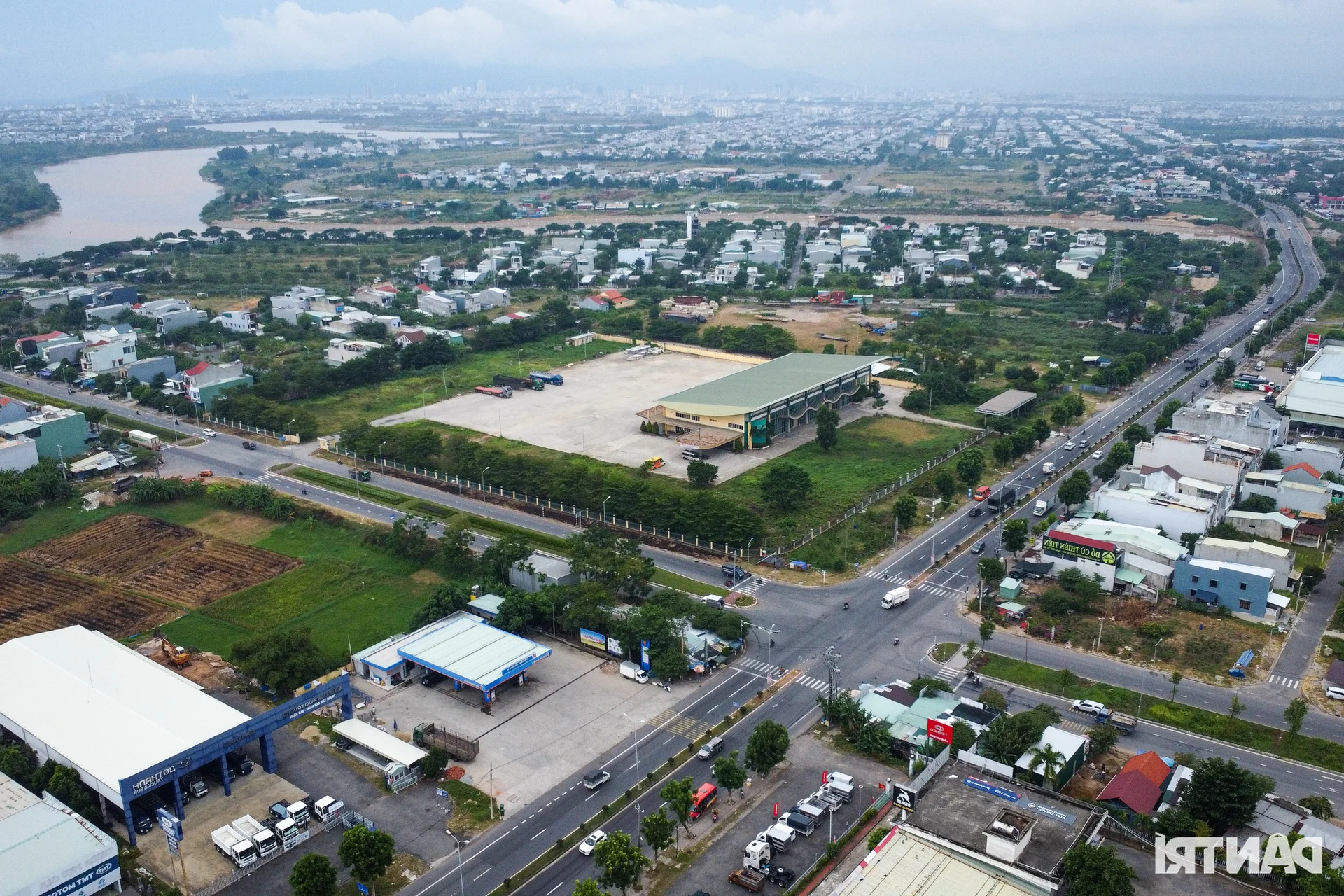
The Abandoned and Dust-Covered Bus Station of Da Nang
khoảng 2 tháng trước
00Da Nang is widely celebrated as one of Vietnam's most modern, dynamic, and well-planned coastal cities, famous for its pristine beaches, iconic bridges, and rapid urban development. However, tucked away within this thriving metropolis lies a curious and stark contrast: a massive, abandoned bus station that sits silent, covered in thick layers of dust and surrounded by overgrown weeds. This "strange" facility stands as a quiet monument to the complexities of urban planning and infrastructure development.
Once envisioned as a bustling transportation hub designed to facilitate travel and ease traffic congestion in the city, the bus station now sits completely empty. The spacious parking lots, ticket booths, and waiting areas, which should be filled with passengers and buses, are instead reclaimed by nature. Tall grass and weeds have cracked through the concrete, while dust covers every surface of the unused buildings. The sight of this derelict facility has sparked curiosity and concern among locals and visitors alike, raising questions about the factors that led to its abandonment and the waste of valuable public resources.
As Da Nang continues to grow and attract millions of tourists from Europe, the US, and across Asia, the efficient use of urban space and infrastructure is more important than ever. The abandoned bus station serves as a reminder of the challenges cities face in aligning infrastructure projects with actual community needs and market demands. Many hope that local authorities will soon find a way to repurpose or revitalize this massive space, transforming it into a productive asset that contributes to the city's ongoing green and sustainable development.
#DaNangInfrastructure, #AbandonedPlaces, #UrbanPlanning, #VietnamTravel, #DaNangCity, #PublicResourceWaste
0 comments
Ads
Related Posts
Ads