Ads
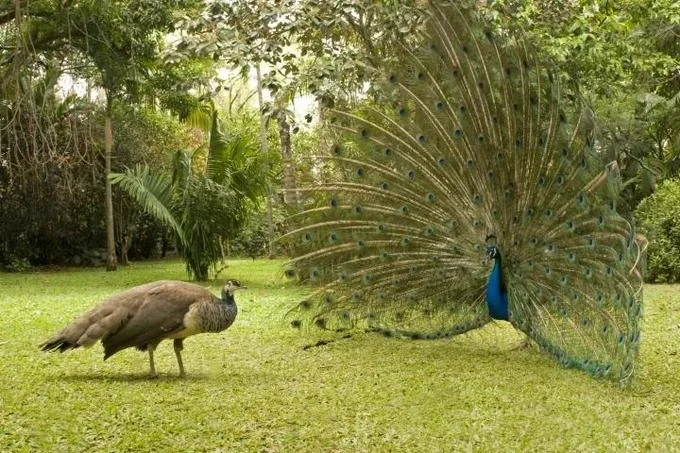
Fascinating Peacock Facts: Why Only Males Are True Peacocks
khoảng 2 tháng trước
00When we think of the word 'peacock,' we immediately picture a magnificent bird displaying an iridescent fan of dazzling green and blue feathers. However, there is a fascinating biological detail that many people overlook: only the males of this species are actually called peacocks. The collective name for these birds is peafowl, while the females are known as peahens, and their offspring are called peachicks. Understanding this terminology is just the beginning of exploring the rich, colorful, and surprising world of these spectacular creatures.
The iconic train of feathers that has captivated humanity for centuries belongs exclusively to the male peacock. This elaborate display is not just for show; it serves a vital evolutionary purpose. During the breeding season, peacocks use their brilliant plumage to attract peahens. The quality, size, and vibrant coloration of a peacock's train are indicators of its health and genetic fitness. Interestingly, a peacock's train can consist of more than 150 highly specialized feathers, each adorned with shimmering eyespots. When a peacock courts a female, he vibrates these feathers, producing a low-frequency sound that humans can barely hear but which peahens find highly alluring.
In stark contrast to the flamboyant males, peahens have a much more understated appearance. Their feathers are primarily brown, grey, and cream, allowing them to blend seamlessly into their natural surroundings. This camouflage is crucial for survival, especially when peahens are nesting and protecting their vulnerable peachicks from predators. While they may lack the dramatic flare of their male counterparts, peahens hold all the power in the mating process, carefully inspecting the males' displays before choosing the most impressive partner.
Beyond their looks, peafowl are incredibly adaptive and intelligent birds. Native to the forests of Asia and parts of Africa, they are ground-feeding birds that enjoy a varied diet of seeds, insects, fruits, and even small reptiles like snakes. Their loud, trumpet-like calls are famous for echoing through the wild, often serving as an early warning system for other animals when predators like tigers or leopards are nearby. Exploring the life of these magnificent birds reveals a perfect balance of evolutionary beauty and survival instinct.
#PeafowlFacts, #PeacockVsPeahen, #WildlifeEducation, #BeautifulBirds, #NatureScience, #BirdWatching
0 comments
Ads
Related Posts
Ads