Ads
The Beast of Gevaudan: The Chilling Werewolf Legend of 18th-Century France
khoảng 2 tháng trước
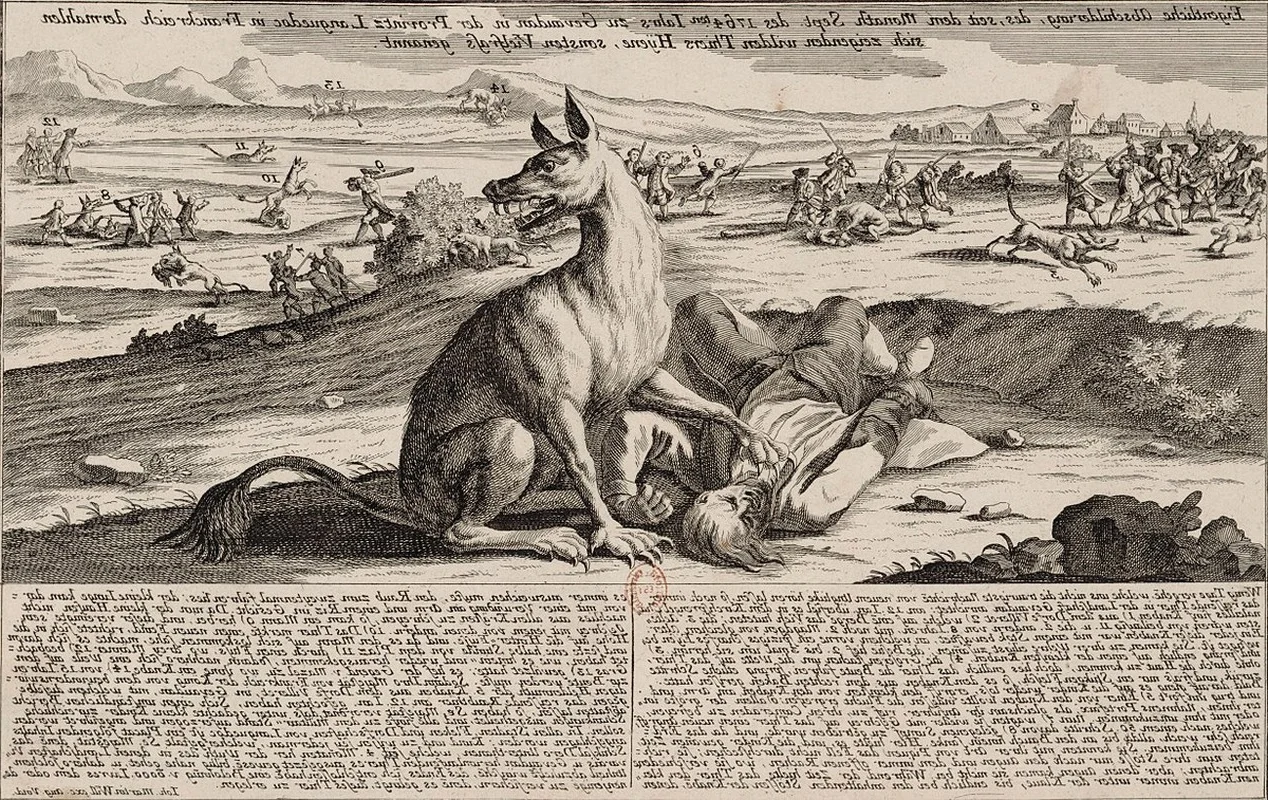
00In the mid-18th century, a terrifying shadow fell over the historic province of Gevaudan in south-central France. Between 1764 and 1767, a mysterious, man-eating beast terrorized the region, leaving a trail of death and panic in its wake. This creature, known historically as the 'Beast of Gevaudan,' became the source of one of Europe's most chilling werewolf legends, keeping both locals and royalty awake at night.
According to historical records, the Beast targeted women and children tending to livestock in the isolated hills and forests. Unlike normal wolves, this creature was described as being much larger, with reddish fur, a black stripe along its back, and formidable jaws. Its uncanny ability to evade traps, poison, and armed hunting parties led many to believe it possessed supernatural powers, sparking widespread rumors of a 'loup-garou' or werewolf.
The panic grew so severe that King Louis XV himself dispatched his best royal hunters and soldiers to eliminate the threat. Despite multiple high-profile hunts, the attacks continued, deeply embarrassing the French crown. It wasn't until a local hunter named Jean Chastel shot a large, strange canine in June 1767 that the reign of terror finally came to an end.
To this day, the true identity of the Beast of Gevaudan remains a subject of intense debate among historians and zoologists. Theories range from an unusually large wolf or a hybrid canine to an exotic animal like a hyena or a lion brought back from distant lands. Regardless of its true nature, the legend of the Beast remains a captivating and eerie chapter in French folklore, inspiring countless books, movies, and campfire stories.
#BeastOfGevaudan, #WerewolfLegend, #FrenchHistory, #HistoricalMysteries, #Folklore, #SpookyStories
0 comments
Ads
Related Posts
Ads