Ads
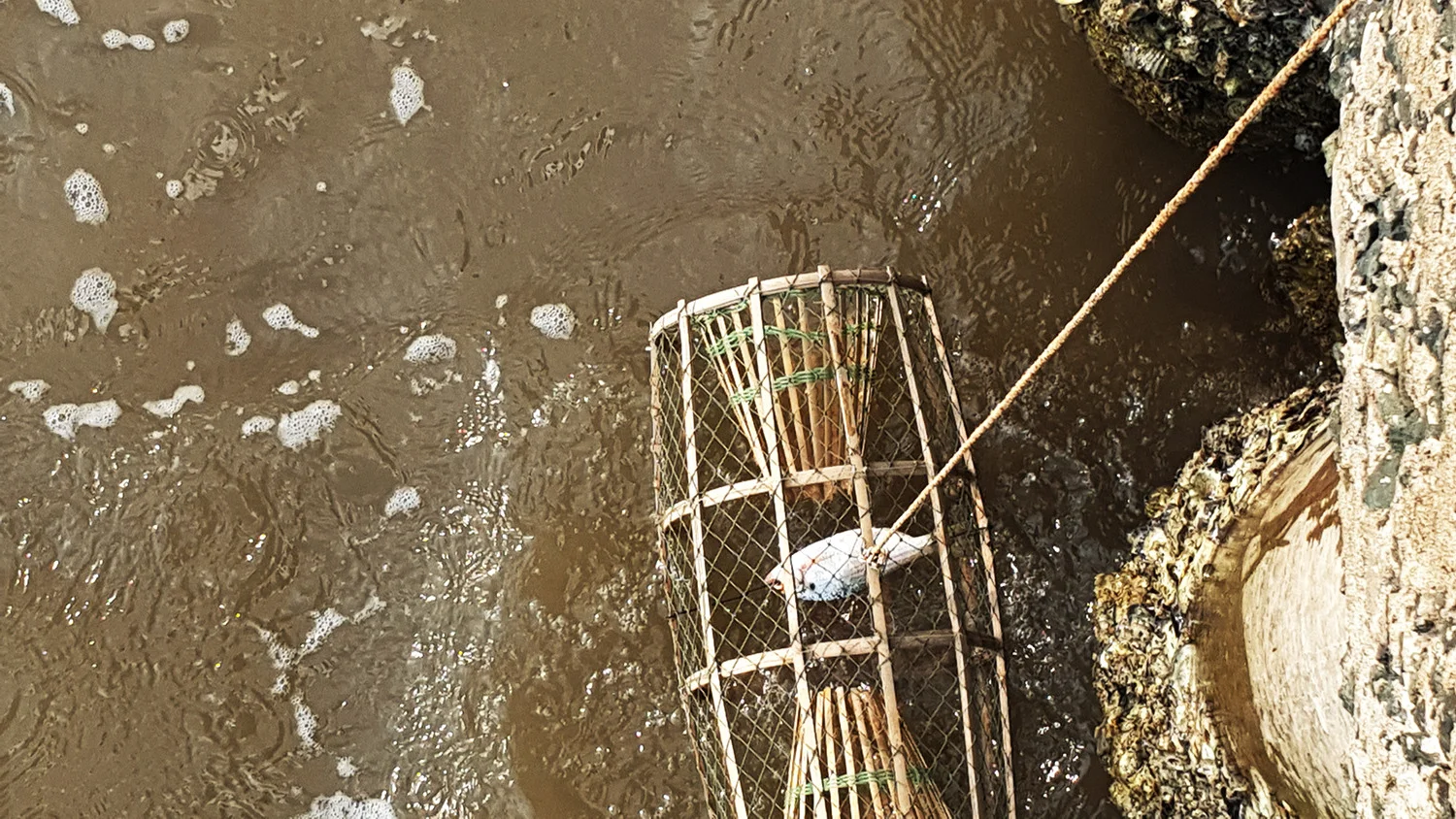
Traditional Stone Crab Hunting Secrets in Ca Mau
16 ngày trước
00In the coastal region of Ca Mau, local fishermen rely on years of experience and traditional techniques to catch stone crabs (cua da), a highly sought-after seafood delicacy. Unlike other species, stone crabs cannot be farmed commercially and must be harvested by hand from their natural habitats. These crabs typically dwell in waterlogged tree hollows, rocky crevices, and concrete coastal embankments, making the hunt both challenging and physically demanding for local harvesters.
To catch these elusive creatures, experienced hunters like Mr. Phan Van Soi and his wife prepare special traps (rập) baited with smelly fish, which is the ultimate lure for the carnivorous crabs. Every afternoon, the couple sets out on their boat to place over a hundred traps along the rocky embankments, securing them with bricks to withstand the ocean waves. The next morning, they return to retrieve the traps, often bringing in a bountiful harvest of fresh, high-quality stone crabs. Known for their sweet, firm meat and hard purple-black shells, these crabs are a favorite among seafood enthusiasts.
Stone crabs from Ca Mau are prized for their unique flavor, which is best enjoyed when prepared simply, such as salt-roasted stone crab (cua da rang muoi). The trade not only preserves a traditional way of life but also provides a stable source of income for coastal communities, with crab prices ranging from 80,000 to 100,000 VND per kilogram. For travelers visiting Ca Mau, tasting this fresh, wild-caught delicacy is an essential part of experiencing the rich culinary heritage of Vietnam's southernmost province.
#CaMauSeafood, #StoneCrabHunting, #TraditionalFishing, #VietnameseDelicacies, #CoastalLife, #CulinaryHeritage
0 comments
Ads
Related Posts
Ads