Ads
Discover the Royal Lunar New Year Traditions Inside China's Forbidden City
khoảng 2 tháng trước
00The Forbidden City in Beijing stands as a testament to centuries of Chinese imperial history, and its Lunar New Year (Spring Festival) traditions are among the most fascinating aspects of its cultural legacy. During the Qing Dynasty, New Year's Eve was a time of immense ritual and splendor. The Emperor would be seen in his most magnificent attire—a bright yellow dragon robe adorned with twelve symbolic ornaments, representing his supreme power and the prosperity of the nation. This ensemble, completed with fur coats and ceremonial beads, set the tone for the most important night of the year.
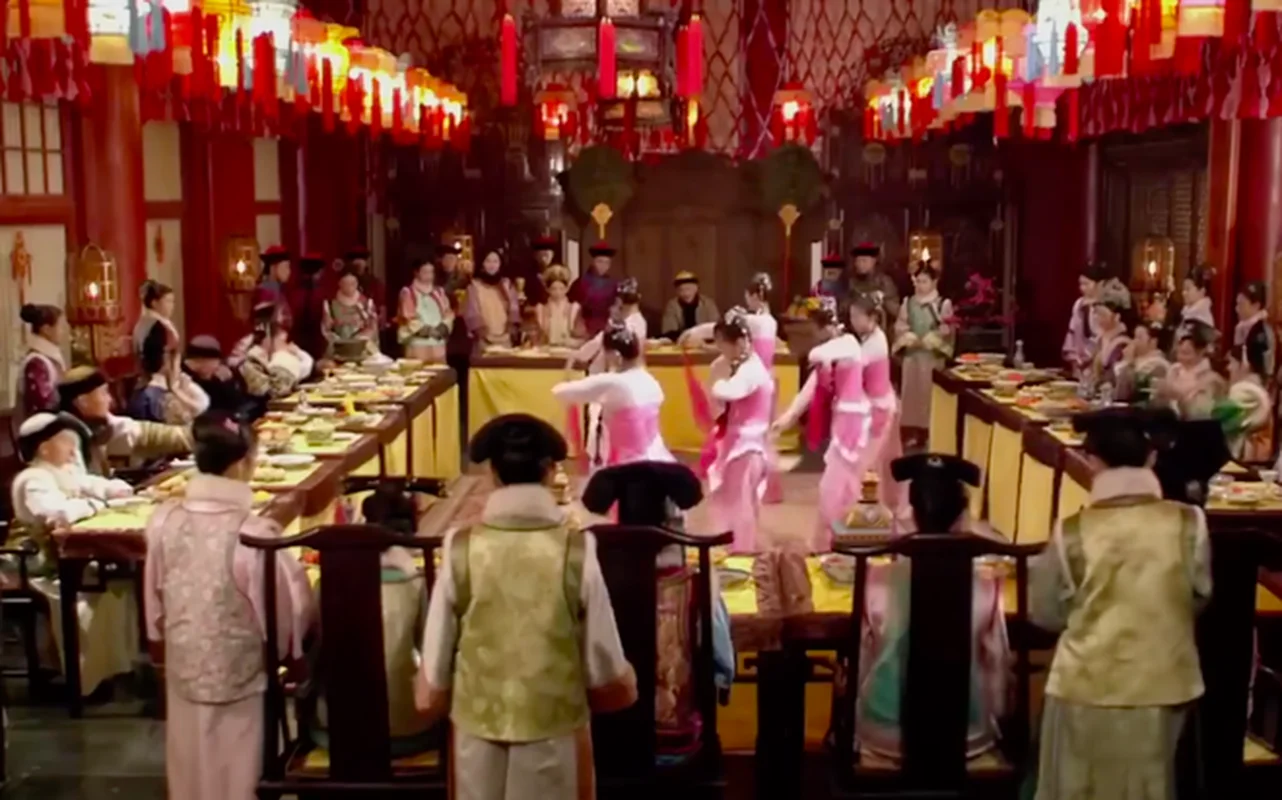
Food played a central role in the festivities. A traditional New Year's Eve feast in the palace was incomplete without dumplings. Initially served as vegetarian dishes to honor tradition, they eventually evolved to include various meat fillings. These banquets were governed by strict protocols regarding the number of dishes and specific flavors, presided over by the Emperor and Empress. Beyond the feast, the Emperor participated in the 'Jade Candle' ritual, pouring wine and writing auspicious blessings for the coming year. A special medicinal wine known as Tusu was consumed, believed to ward off illness and bring longevity to the royal family.
Entertainment was equally grand, with famous opera troupes invited to perform within the palace walls. The celebrations often lasted for ten days, featuring flower viewing and moon watching. One unique detail was the use of spring couplets. Unlike the paper ones used by commoners, the palace couplets were crafted from white silk and inscribed with high-level calligraphy by the Imperial Academy. These were then framed and hung on vibrant red pillars, creating a striking visual contrast. While the Emperor would officially 'seal' his brushes and stamps to rest, he remained on call for urgent state matters. Today, these traditions reflect a blend of solemnity and joy that continues to define the spirit of the Lunar New Year.
#ForbiddenCity, #LunarNewYear, #ChineseHistory, #ImperialTraditions, #SpringFestival, #BeijingCulture
0 comments
Ads
Related Posts
Ads