Ads
Eastern vs. Western Dragons: Exploring the Fascinating Cultural Differences
khoảng 2 tháng trước
00Dragons are among the most enduring and versatile creatures in human mythology, but the way they are perceived varies wildly between the East and the West. In Eastern cultures, particularly in Vietnam, China, and Japan, the dragon (Rồng) is a symbol of power, luck, and prosperity. It is often depicted as a long, serpentine creature with the features of various animals, such as the scales of a fish and the claws of an eagle. Eastern dragons are celestial beings, often associated with water, rain, and the imperial throne. They are benevolent protectors of the people, representing wisdom and longevity.
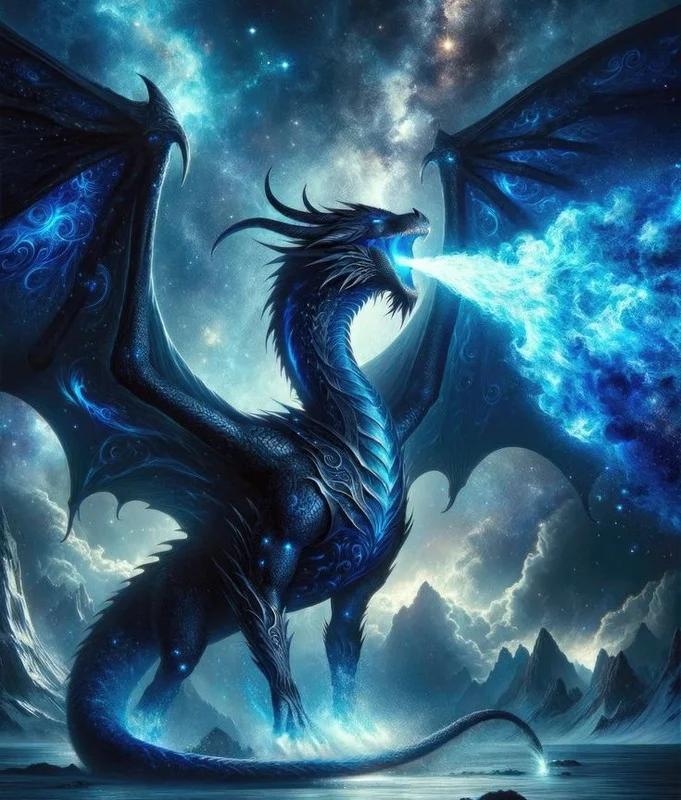
In contrast, the Western dragon is traditionally viewed as a formidable, fire-breathing beast that represents chaos and evil. Often depicted with large, bat-like wings and a heavy, reptilian body, Western dragons are the classic antagonists in European folklore and knightly tales. They are hoarders of gold and must be defeated by a hero to restore peace. While modern pop culture, like 'How to Train Your Dragon' or 'Game of Thrones,' has softened this image, the historical root of the Western dragon is one of danger and destruction, a sharp contrast to the auspicious Eastern counterpart.
Understanding these differences offers a deep dive into how different civilizations interpret the natural and supernatural worlds. The Eastern dragon is a spiritual entity to be revered, while the Western dragon is a physical monster to be conquered. These 'loạt khác biệt thú vị' (interesting differences) extend to their physical forms, their habitats, and their roles in society. For those interested in mythology, art, or cultural history, the study of dragons provides a window into the values and fears of ancient societies. Today, both types of dragons continue to inspire movies, games, and literature, proving that our fascination with these mythical creatures is as strong as ever.
#EasternDragons, #WesternDragons, #Mythology, #CulturalHistory, #DragonLore, #Folklore
0 comments
Ads
Related Posts
Ads