Ads
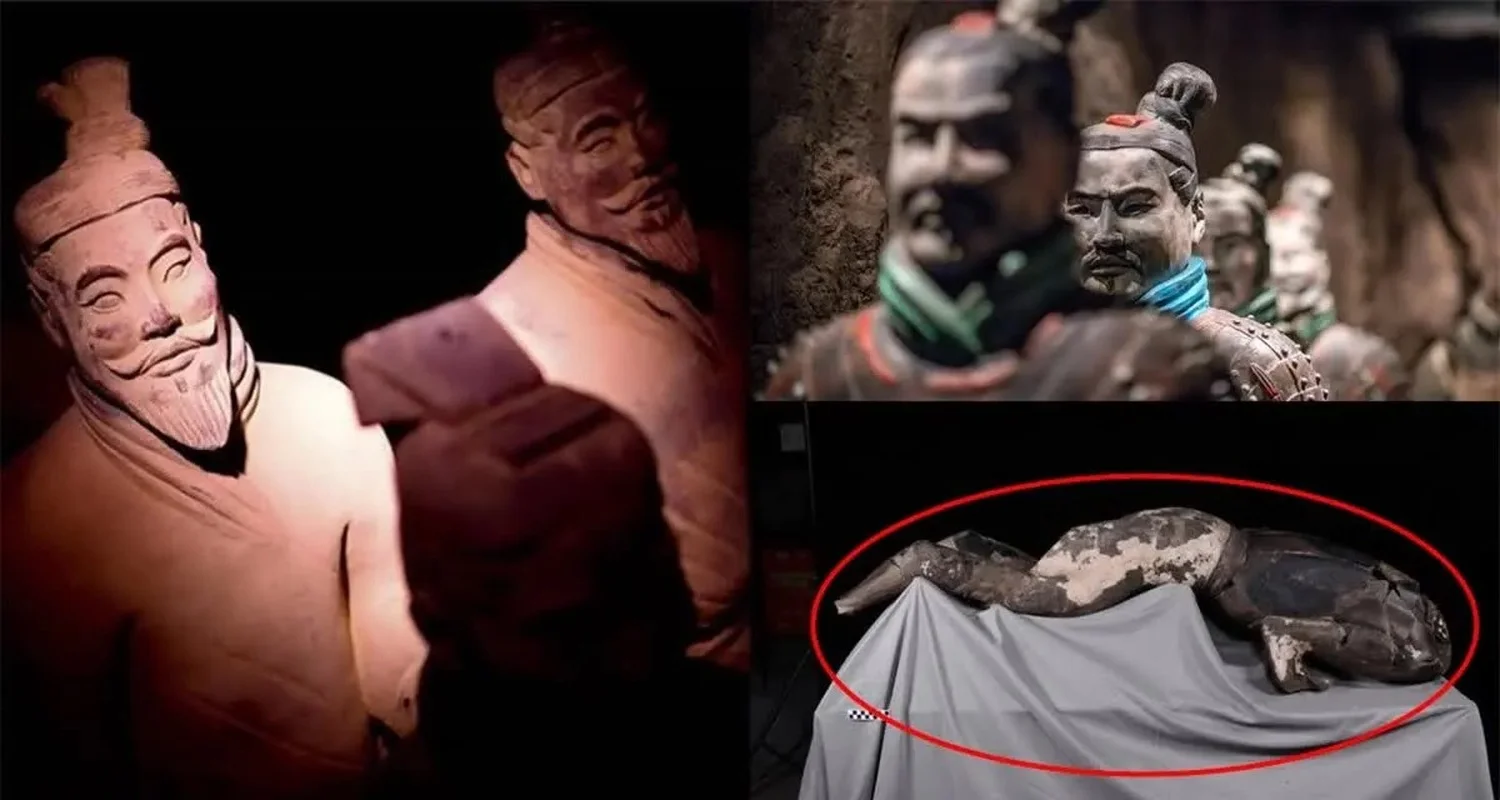
Ancient Fingerprints Found on Terracotta Army Statues Reveal Secrets
khoảng 2 tháng trước
00In a stunning archaeological breakthrough, researchers have discovered ancient fingerprints on the statues of the Terracotta Army within the tomb of Emperor Qin Shi Huang. These faint marks, left in the clay over 2,200 years ago, offer a deeply personal connection to the individual craftsmen who labored to create one of the wonders of the ancient world. For the first time, we are moving beyond the grand scale of the 8,000 soldiers to look at the 'human touch' that brought them to life.
Forensic analysis of these fingerprints is providing new insights into the labor practices of the Qin Dynasty. By studying the ridge patterns, experts can estimate the age and even the health of the workers. Preliminary findings suggest a diverse workforce, ranging from master artisans to young apprentices. This discovery also helps archaeologists understand the assembly-line process used to produce such a massive number of unique figures. Each fingerprint is a silent testimony to the skill and dedication of the people who built the First Emperor's eternal guard, proving that even in a project of such immense scale, individual contributions were vital.
The Terracotta Army has always been a source of fascination, but these fingerprints add a new layer of intimacy to the site. They remind us that behind every historical monument are the stories of ordinary people whose names may be lost to time, but whose physical presence remains etched in the earth. As technology allows us to see more clearly into the past, the tomb of Qin Shi Huang continues to yield secrets that bridge the gap between the ancient world and the present day. This find is a major step forward in our understanding of Chinese craftsmanship and the social structure of the first unified Chinese empire.
#TerracottaArmy, #QinShiHuang, #Archaeology, #AncientChina, #HistoryDiscovery, #ForensicScience
0 comments
Ads
Related Posts
Ads