Ads
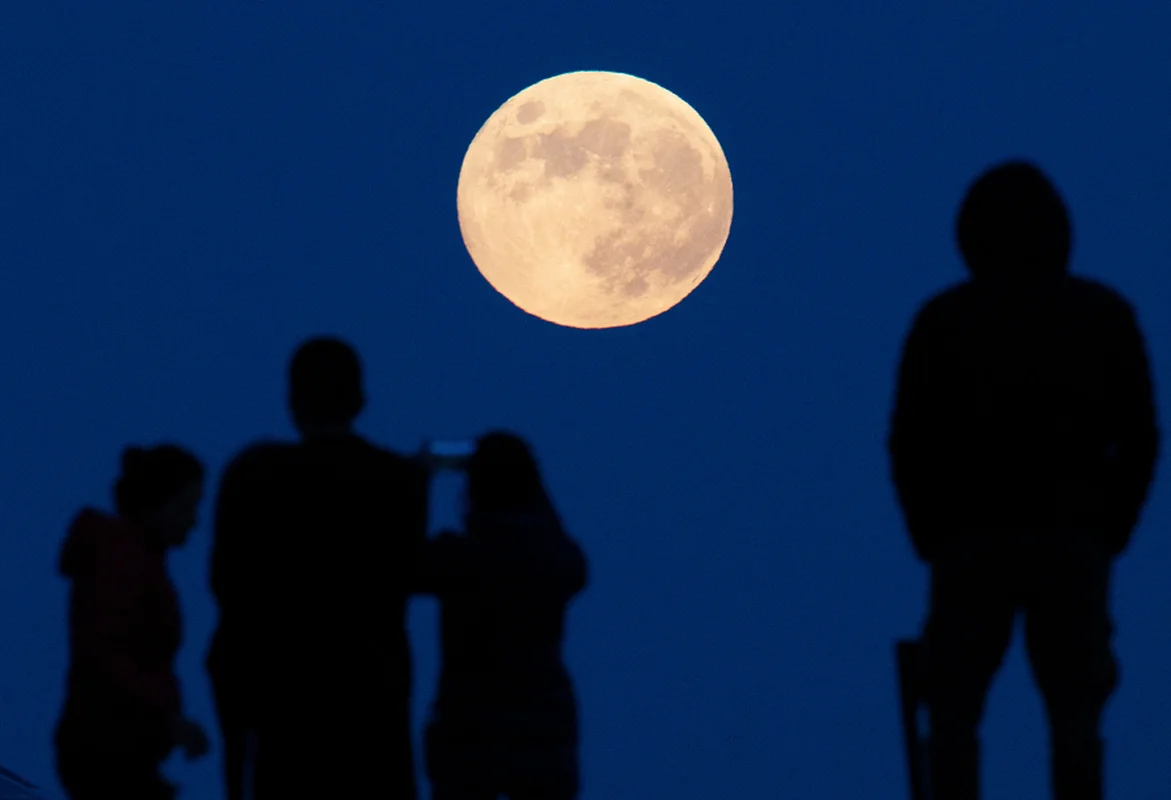
Understanding the Rare Astronomical Phenomenon Occurring Once Every 18 Years
khoảng 2 tháng trước
00Have you ever looked up at the night sky and wondered about the hidden rhythms of the cosmos? Every 18.6 years, our planet witnesses a spectacular and highly unusual astronomical event known as the Major Lunar Standstill. This rare occurrence, which has fascinated stargazers, astronomers, and ancient civilizations for centuries, is once again capturing global attention. During this unique period, the Moon reaches its farthest northern and southern limits on the horizon, rising and setting at points we rarely see during its standard monthly cycles. This creates a mesmerizing visual display where the Moon appears to hang incredibly high or low in the night sky, casting a dramatic glow over the landscape.
To truly appreciate this event, we must look at the science behind the Moon's orbit. The Earth's orbit around the Sun and the Moon's orbit around the Earth do not align perfectly; instead, they are tilted at an angle of about 5 degrees. Because of this tilt, the positions of moonrise and moonset change gradually over an 18.6-year cycle. When the cycle reaches its peak—the Major Lunar Standstill—the Moon's declination spans its maximum possible range. This means it rises at its most northeasterly point and sets at its most northwesterly point, and two weeks later, it does the exact opposite, rising in the southeast and setting in the southwest. For photographers and skywatchers, this provides an extraordinary window of opportunity to capture the Moon aligning with iconic landmarks, historical monuments, and natural wonders in ways that won't be possible again for nearly two decades.
Historically, this phenomenon holds immense cultural significance. Ancient architectural marvels, such as Stonehenge in the United Kingdom and the Chimney Rock Great House in Colorado, are believed to have been deliberately aligned with the extreme points of this lunar cycle. For these early societies, tracking the Moon was not just about timekeeping; it was a sacred connection to the cosmos. Today, modern technology allows us to calculate these events with pinpoint accuracy, giving us the perfect chance to prepare our telescopes and cameras. Whether you are a seasoned astrophysicist or simply someone who loves to marvel at the night sky, the return of this 18-year lunar cycle is a powerful reminder of the universe's grand design. Don't miss your chance to witness this celestial masterpiece, as it offers a fleeting glimpse into the silent, majestic clockwork of our solar system.
#LunarStandstill, #AstronomyNews, #SpacePhenomenon, #Stargazing, #MoonCycle, #RareAstronomicalEvent
0 comments
Ads
Related Posts
Ads