Ads
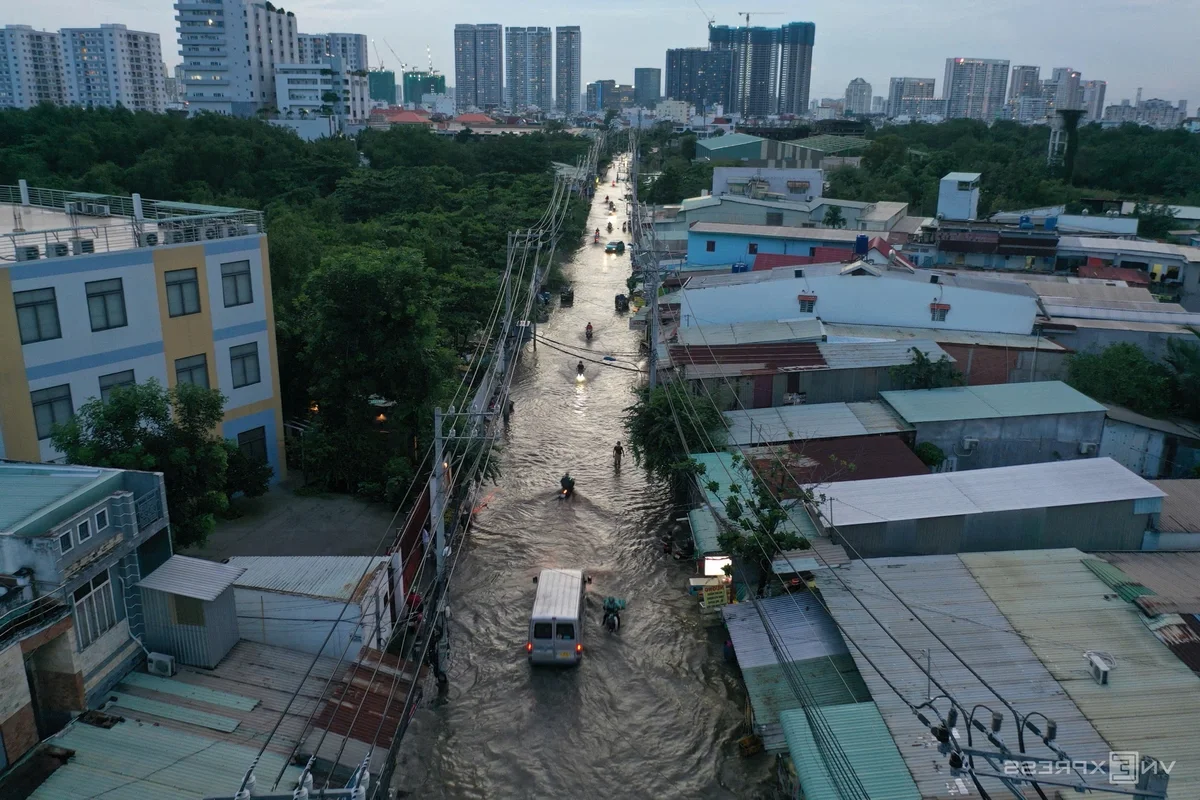
Ho Chi Minh City High Tides: Residents Isolated as Water Levels Reach Record Highs
khoảng 2 tháng trước
00Ho Chi Minh City is currently facing one of its most challenging tidal seasons of the year, with water levels reaching peaks that haven't been seen in months. The phenomenon of 'triều cường' or high tides has left many residential areas virtually isolated, turning streets into rivers and making daily commutes a significant struggle for thousands of locals. In districts like District 7, Nha Be, and Binh Thanh, the water rises rapidly during the late afternoon and early morning hours, coinciding with peak traffic times. Many houses are now 'cô lập' (isolated) as the surrounding alleys are submerged under several feet of water, often mixed with urban runoff, posing health and safety risks.
For the residents, this is an annual battle, but the increasing intensity of these floods highlights the growing impact of climate change and rapid urbanization. While the city has invested in various flood prevention projects, including massive pumping stations and embankments, the sheer volume of the recent tides has tested the limits of existing infrastructure. Local businesses are forced to close early, and residents have had to adapt by building makeshift barriers or raising their floor levels. The psychological and economic toll on the community is substantial. This situation serves as a critical call for more sustainable urban planning and integrated water management strategies. As HCMC continues to grow, finding a balance between development and natural water cycles is essential to protect its citizens from being repeatedly isolated by the rising tides. For international observers, the situation in HCMC provides a real-world look at the challenges faced by coastal megacities in the era of rising sea levels and shifting weather patterns.
#HCMCFloods, #HighTide, #ClimateChange, #UrbanPlanning, #VietnamNews, #FloodResilience
0 comments
Ads
Related Posts
Ads