Ads
The Mystery of the Assos Sarcophagus: The Flesh-Eating Stone Explained
10 ngày trước
00In the ancient city of Assos, located in modern-day Turkey, lies one of archaeology's most enduring mysteries: the 'flesh-eating' stone sarcophagi. For centuries, these limestone coffins have been famous for their ability to decompose a human body in as little as 40 days—a process that normally takes years. This rapid 'super-speed' decomposition earned the stone its name in Greek, 'sarkophagos,' which literally translates to 'flesh-eater.' Researchers and historians have long been baffled by how the ancient inhabitants of Assos discovered and utilized this unique geological phenomenon.
Recent scientific studies have attempted to debunk the myths and find a rational explanation for this phenomenon. One leading theory suggests that the high concentration of aluminum in the local andesite stone used for the coffins may act as a catalyst for decomposition. Others believe that the way the sarcophagi were carved allowed for specific chemical reactions between the body and the minerals in the stone. Regardless of the exact cause, the efficiency of these ancient burial vessels is undeniable. The people of Assos were clearly ahead of their time in understanding the chemical properties of their natural environment.
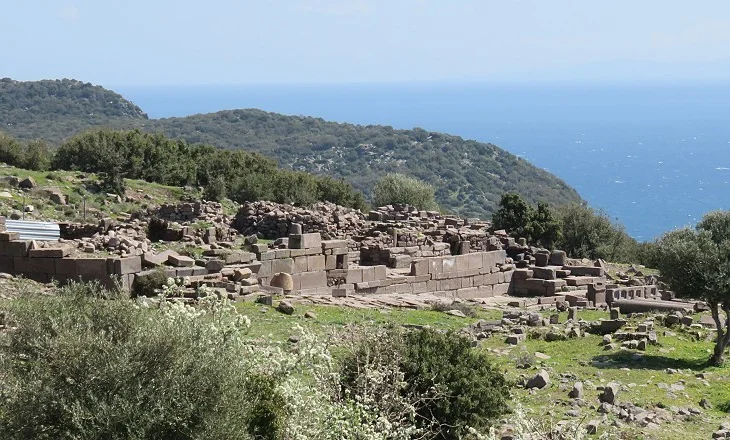
The Assos sarcophagi were highly sought after in the ancient world, often exported to distant regions for use by the elite. Today, the ruins of Assos remain a popular site for tourists and scholars alike, who come to see the remaining stone coffins and wonder at the secrets they still hold. This mystery serves as a fascinating intersection of archaeology, chemistry, and ancient funerary customs. As modern technology allows for deeper analysis, we are slowly uncovering the truth behind the 'flesh-eater' stone, providing a clearer picture of life—and death—in the ancient Mediterranean world.
#Assos, #Archaeology, #AncientMystery, #HistoryUncovered, #TurkeyHistory, #Sarcophagus
Ads
0 comments
Related Posts
Ads