Ads
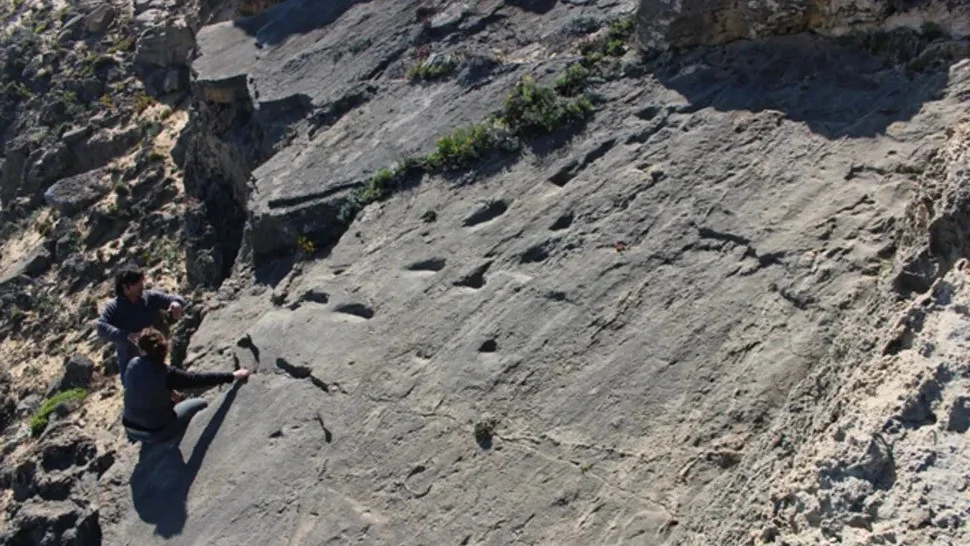
Ancient Tracks: What 78,000-Year-Old Footprints Tell Us Today
khoảng 2 tháng trước
00The discovery of 78,000-year-old human footprints is a groundbreaking event in the field of paleoanthropology. These ancient tracks, frozen in time, provide a direct link to the daily lives of Middle Stone Age humans. Found in a geological layer that has remained undisturbed for millennia, these prints offer more than just a path; they offer data on the social dynamics and physical characteristics of early human populations. Each step tells a story of survival, migration, and the constant search for resources in a world that was vastly different from our own.
Researchers use sophisticated techniques such as photogrammetry and optically stimulated luminescence (OSL) dating to determine the exact age and context of such finds. The 78,000-year timestamp is particularly significant as it coincides with a period of major cognitive and cultural development in human history. By studying the pressure points and the spacing between the steps, experts can determine if the individuals were running, walking, or carrying heavy loads. This level of detail is rarely available through bone fragments alone, making footprints a 'holy grail' for understanding ancient human locomotion and behavior.
Moreover, the location of these footprints—often in areas that were once lush wetlands or coastal zones—highlights the importance of these environments in early human expansion. It suggests that our ancestors were highly adapted to diverse landscapes, utilizing everything from the sea to the forest. This discovery also underscores the fragility of such archaeological sites, which can be easily destroyed by modern development or climate change. As we uncover more of these ancient paths, we gain a deeper appreciation for the long and difficult journey our species has taken. The 78,000-year-old footprints are a powerful reminder of our shared heritage and the enduring nature of the human spirit.
#AncientFootprints, #Paleoanthropology, #HumanHistory, #ScienceNews, #Evolution, #ArchaeologicalFind
0 comments
Ads
Related Posts
Ads