Ads
Mysterious Underwater Structures: Ancient Civilizations or Extraterrestrial Origins?
khoảng 2 giờ trước
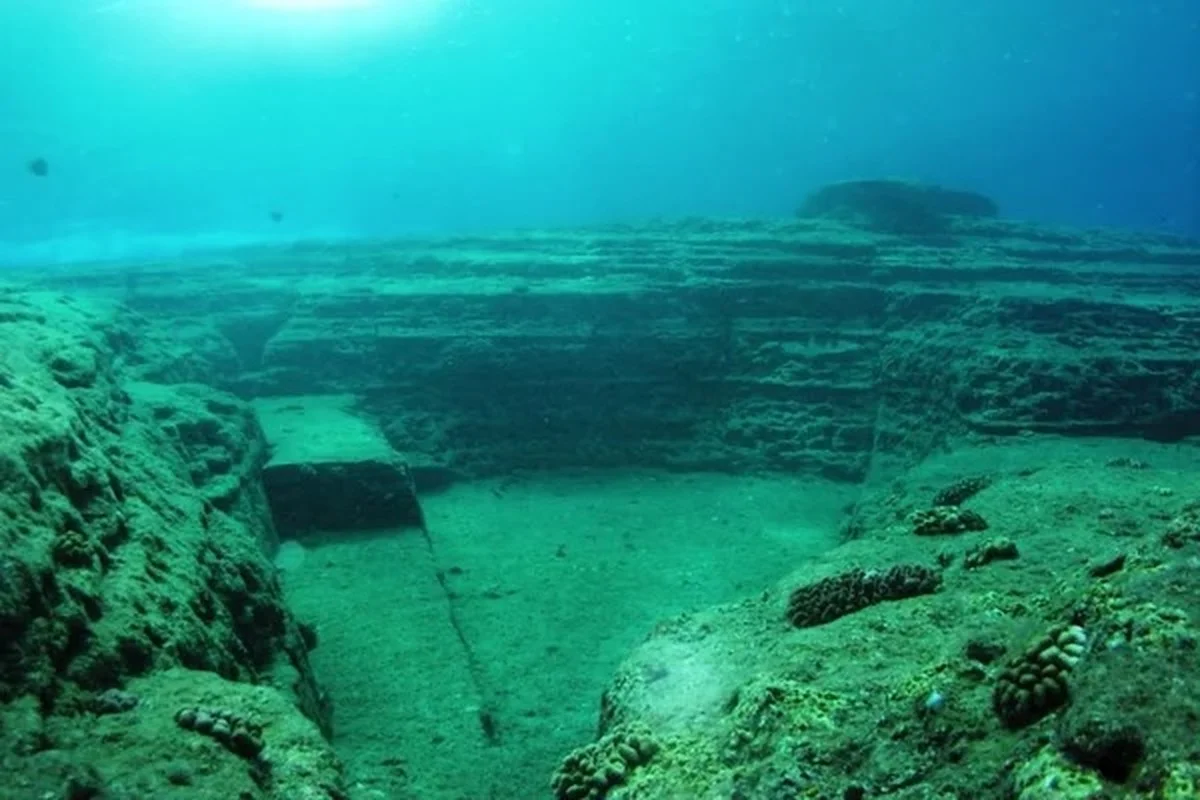
00Beneath the depths of the world's oceans lie mysterious, colossal structures that continue to baffle marine geologists, archaeologists, and alternative history enthusiasts alike. From the famous Yonaguni Monument in Japan to the bizarre Baltic Sea Anomaly, these underwater formations feature sharp angles, massive stone blocks, and geometric patterns that look remarkably man-made. The persistent mystery surrounding these sites has sparked intense debate: are they the remnants of lost ancient human civilizations, natural geological wonders, or evidence of extraterrestrial visitations?
Proponents of the ancient civilization theory argue that these structures are proof of advanced pre-glacial societies that were submerged at the end of the last Ice Age, roughly 10,000 years ago. According to this view, legendary lost continents like Atlantis or Mu may have actually existed, leaving behind monumental stone architecture that has survived underwater for millennia. On the other hand, ufologists and ancient astronaut theorists suggest that the scale and precision of these formations, combined with their location in deep, inaccessible waters, point to extraterrestrial engineering or ancient alien outposts on Earth.
Mainstream scientists and geologists generally remain skeptical of these sensational claims, arguing that natural processes such as tectonic activity, erosion, and underwater currents can carve rocks into surprisingly straight lines and right angles. For instance, they point to unique basalt formations on land that mimic human masonry. Despite these scientific explanations, the allure of the unknown keeps the mystery alive. Advanced sonar mapping, deep-sea diving expeditions, and high-resolution underwater photography continue to search for definitive answers, ensuring that these deep-sea anomalies remain one of our planet's most fascinating secrets.
#UnderwaterMysteries, #YonaguniMonument, #BalticSeaAnomaly, #AncientCivilizations, #AlienTheories, #MarineArchaeology
Ads
0 comments
Related Posts
Ads